Most people assume teeth scaling is painful because it involves tools, vibrations, and that high-pitched buzzing sound. But if you’ve been avoiding your dental visit because you’re worried it’ll hurt — here’s the truth: for most people, scaling doesn’t actually hurt.
Yes, it might feel weird or uncomfortable the first time. Some areas might be a little sensitive especially if it’s been a while since your last cleaning. But actual pain? That’s rare. And if you’ve ever had tartar removed before, you’ll know it feels more like a scratchy pressure than anything sharp.
What Actually Happens During Teeth Scaling
The idea of scaling sounds worse than it is especially if you’re picturing drills or sharp tools. In reality, the process is pretty straightforward, and most people are surprised by how quick it is.
It Starts with an Ultrasonic Scaler – Not a Drill
Normally, dentists will use a tool that vibrates at high frequency to gently knock off plaque and tartar buildup. You’ll hear a buzzing sound and feel a light tapping sensation, especially near the gum line. There’s no cutting, no scraping that feels like nails on a chalkboard, and definitely no drilling into teeth.
The water spray helps flush out debris as it’s loosened, keeping everything clean and cool during the process, while suction continuously removes water and particles to keep the area clean, clear, and comfortable throughout the procedure.
Some Areas Might Feel More Sensitive Than Others
Some patients haven’t had a cleaning in a while, or if the gums are already inflamed, patients might feel some tingling or stinging in certain spots especially between the teeth or under the gums. But that’s usually a sign those areas needed attention.
The good news? Most of that sensitivity disappears right after the session ends.
Polishing Feels More Like a Gentle Scrub
Once the scaling is done, polishing comes next. This step uses a soft rubber cup with a gritty paste that helps smooth out the surface of your teeth. It doesn’t hurt — it’s more like a slow, vibrating toothbrush that leaves your teeth feeling smooth and clean.
Why Some People Say Scaling Hurts (And Others Don’t)
First time patients would say, “Scaling sakit gila,” and another person would say, “I didn’t feel anything,” they’re probably both telling the truth. The reason being scaling feels different depending on your mouth’s condition.
Gums That Are Already Inflamed Will React More
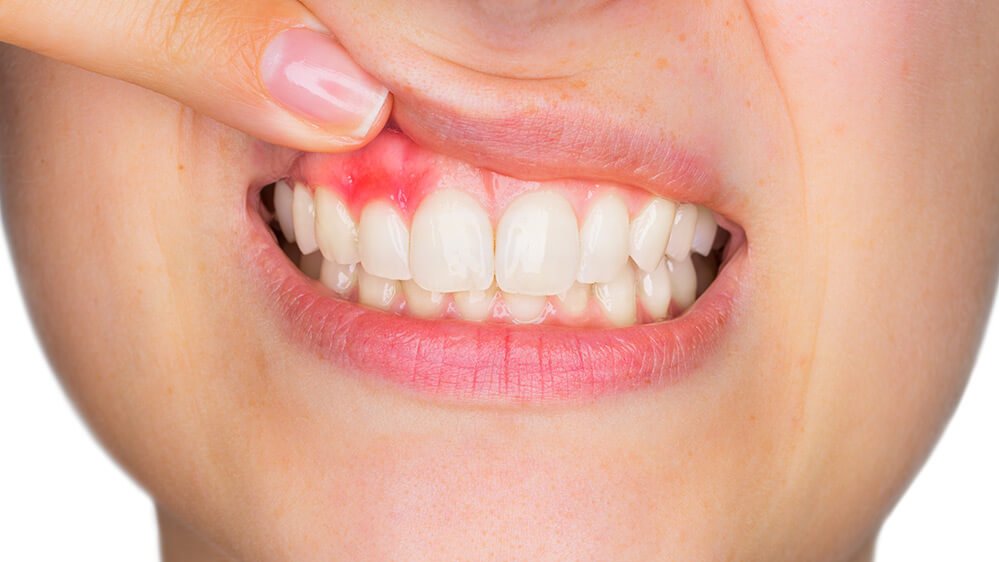
When your gums are healthy, scaling feels more like vibration and pressure. But if your gums are swollen, red, or bleed easily — they’re already irritated. In that case, even light contact can sting. It’s not the scaling tool that hurts, it’s the inflammation doing most of the talking.
Scaling will probably be a bit more intense the first time, but it gets better as your gums heal and future cleanings become easier.
First-Time Patients Usually Feel It the Most
First-time patients will expect a stronger reaction since this is the first time teeth scaling is done. Thick tartar buildup near the gum line takes more effort to remove, and sensitive spots that have been hidden for a long time suddenly get exposed.
This doesn’t mean your dentist is being rough — they’re just clearing out years of buildup in one session. It’s a big reset, and while it might feel a bit raw afterward, you’ll be in a much better place for your next visit.
Everyone’s Sensitivity Threshold Is Different
Some people flinch with cold water. Others barely notice anything, even during deep cleanings. How you feel during scaling depends on your pain tolerance, gum health, and sometimes even your mood or stress level that day.
Our dentists in Kepong know this and we don’t expect you to “tahan” if it’s too much. You can always ask the dentist for breaks, adjustments, or even numbing gel if you feel pain at any point. Your dentist can pause the treatment or move to another area of your mouth until you feel comfortable again.
Different Types of Dental Scaling – Do They Feel the Same?
Not all dental cleanings are created equal. While most people picture the same ultrasonic tool during every visit, there are actually a few different types of scaling where each is designed for different needs, and each with its own feel in the chair.
Ultrasonic Scaling (Your Standard Clean)
This is the go-to method during routine check-ups. It uses high-frequency vibrations and a stream of water to dislodge plaque and tartar from your teeth.
What it feels like: A gentle buzzing against your teeth. There’s some cool water and a light scraping sound, but it’s usually painless, just mildly annoying if you’re sensitive to sound.
Deep Scaling and Root Planing
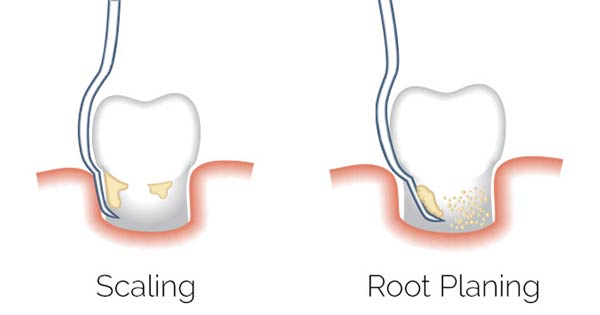
If you’ve got signs of gum disease, bleeding gums, deep pockets, or bone loss — this goes beyond the surface. The cleaning targets buildup below the gum line, down to the tooth roots.
What it feels like: A bit more intense. Your dentist will numb the area first, so you shouldn’t feel pain, but expect some pressure and pulling. It may feel a little sore afterward, but it’s manageable with standard pain relief.
Airflow Scaling (For Stain Removal and Comfort)
This is the newer, gentler method. A stream of warm water, compressed air, and fine powder (like erythritol or bicarbonate) removes surface stains and biofilm from your teeth even around braces and hard-to-reach areas.
What it feels like: Light, warm, and smooth. There’s no scraping or vibration, just a fine mist that many patients describe as surprisingly soothing like a mini spa day for your teeth.
Does Polishing Hurt Too?
Polishing is actually the easiest, most comfortable part of the scaling and polishing process and for most patients, it’s the part they enjoy the most.
The polishing step comes right after scaling, and it’s meant to smooth out the tooth surfaces that were just cleaned. Your dentist uses a soft rubber cup and a mildly gritty paste to gently buff away surface stains and make your teeth feel squeaky clean.
How it feels: Imagine someone gently scrubbing your teeth with a slow, round toothbrush. There’s no sharpness, no vibration, and no poking near your gums. If anything, it feels more like a finishing touch than a treatment — quick, painless, and oddly satisfying.
Even if you have sensitive teeth, polishing rarely causes discomfort. And if it ever does feel too much (especially near gum recession), your dentist can always adjust the pressure or avoid that area altogether.
What Happens After Scaling and Polishing?
Once the cleaning’s done, the real magic happens — and by that, we mean how your mouth feels post-appointment. Whether you had a simple routine cleaning or a deep gum cleanse, your aftercare experience plays a big role in recovery and comfort.
Expect Slight Sensitivity (But It’s Temporary)
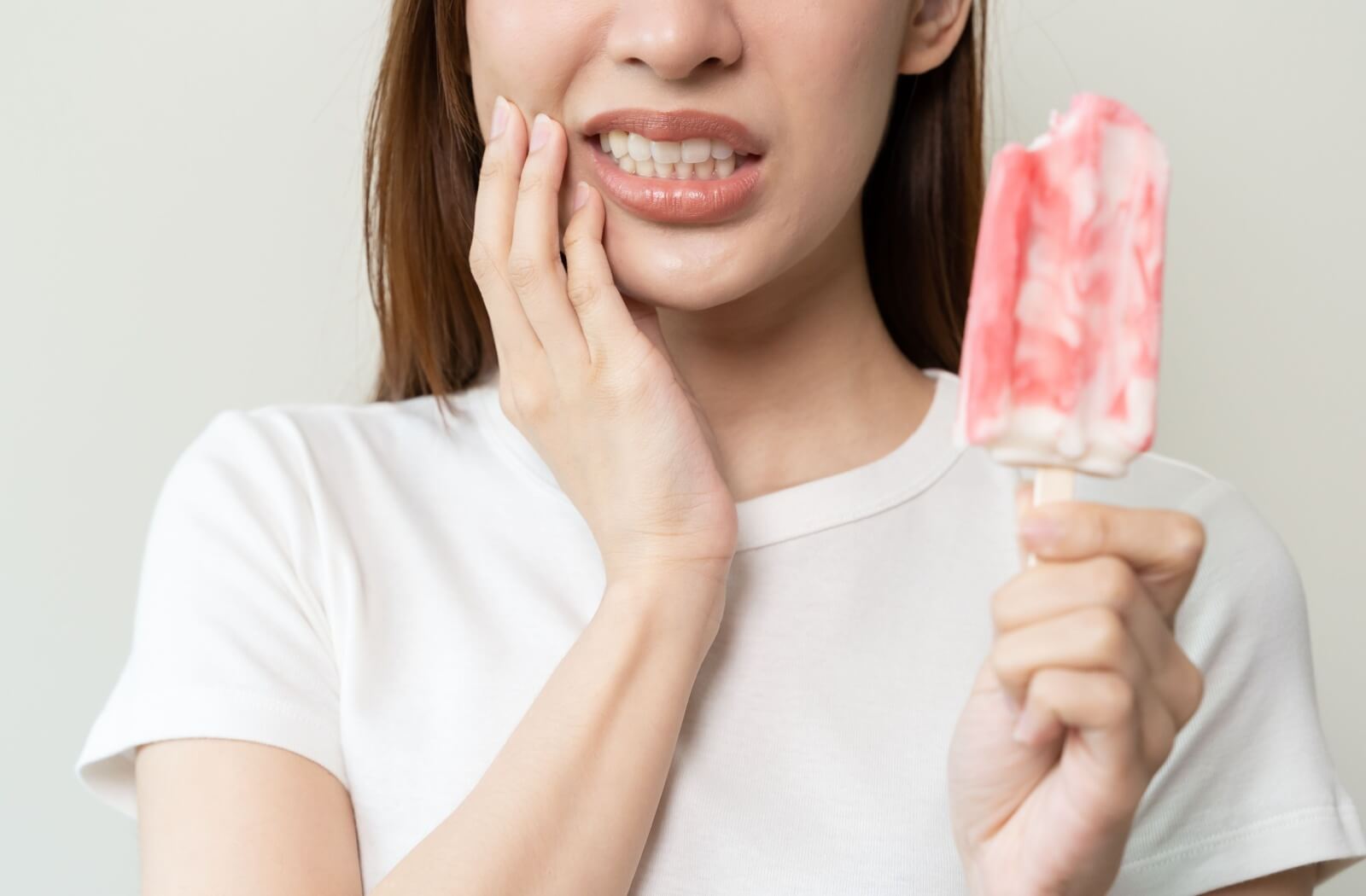
It’s not unusual to feel a little zing when sipping cold water or biting into something sweet after your appointment. This sensitivity usually fades within a few days. It’s caused by newly exposed enamel surfaces or gums that were previously inflamed but are now healing.
To ease this:
- Use a soft-bristled toothbrush.
- Avoid acidic or overly hot/cold foods for a couple of days.
- Switch to a toothpaste formulated for sensitivity if needed.