Scaling is recommended when plaque has already hardened into tartar or when gums are inflamed, since brushing alone won’t remove built-up deposits. In these cases, scaling and polishing helps clear stubborn buildup and restore gum health, while routine teeth cleaning works best for ongoing maintenance and prevention.
What Is Teeth Cleaning?
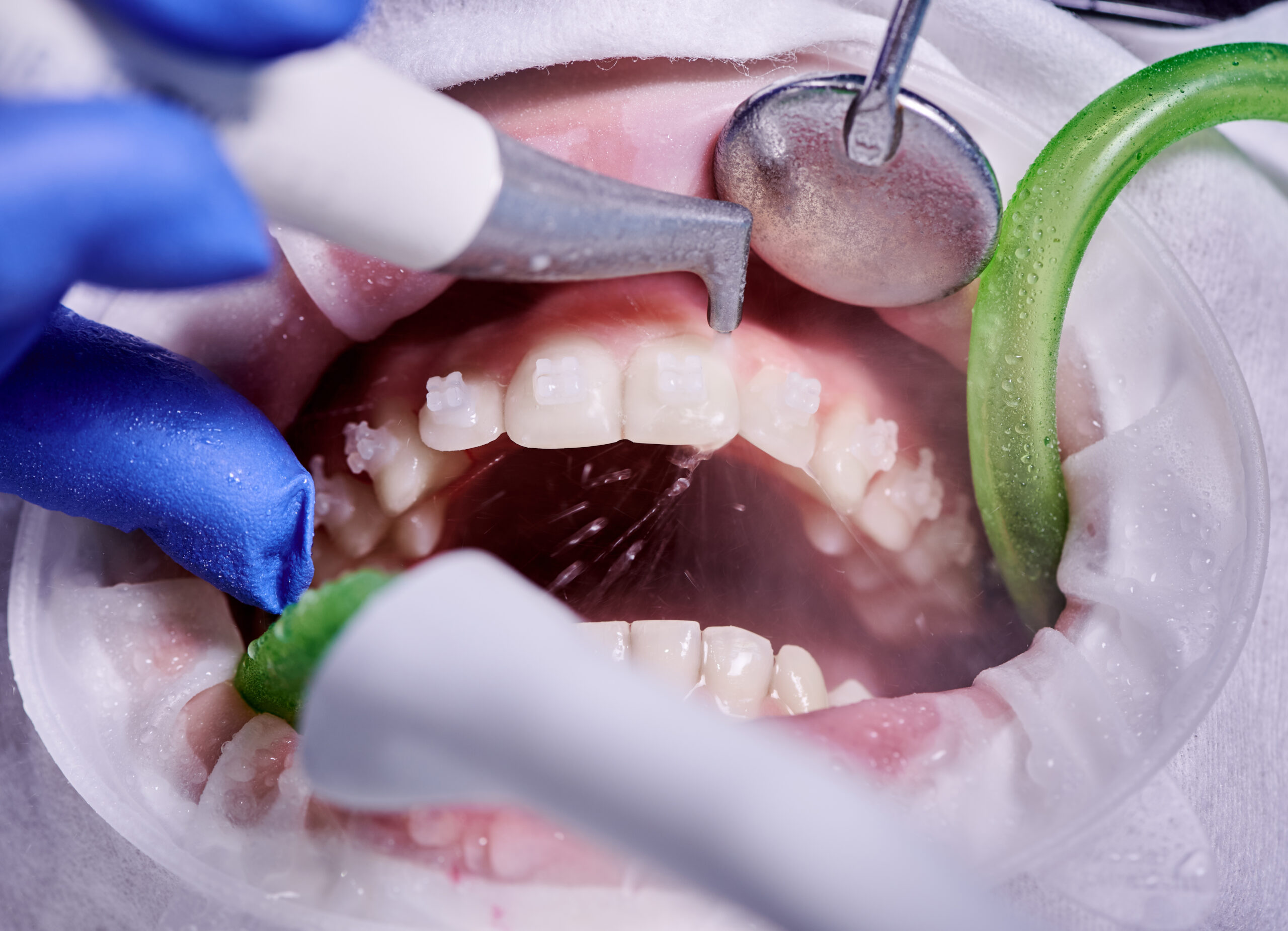
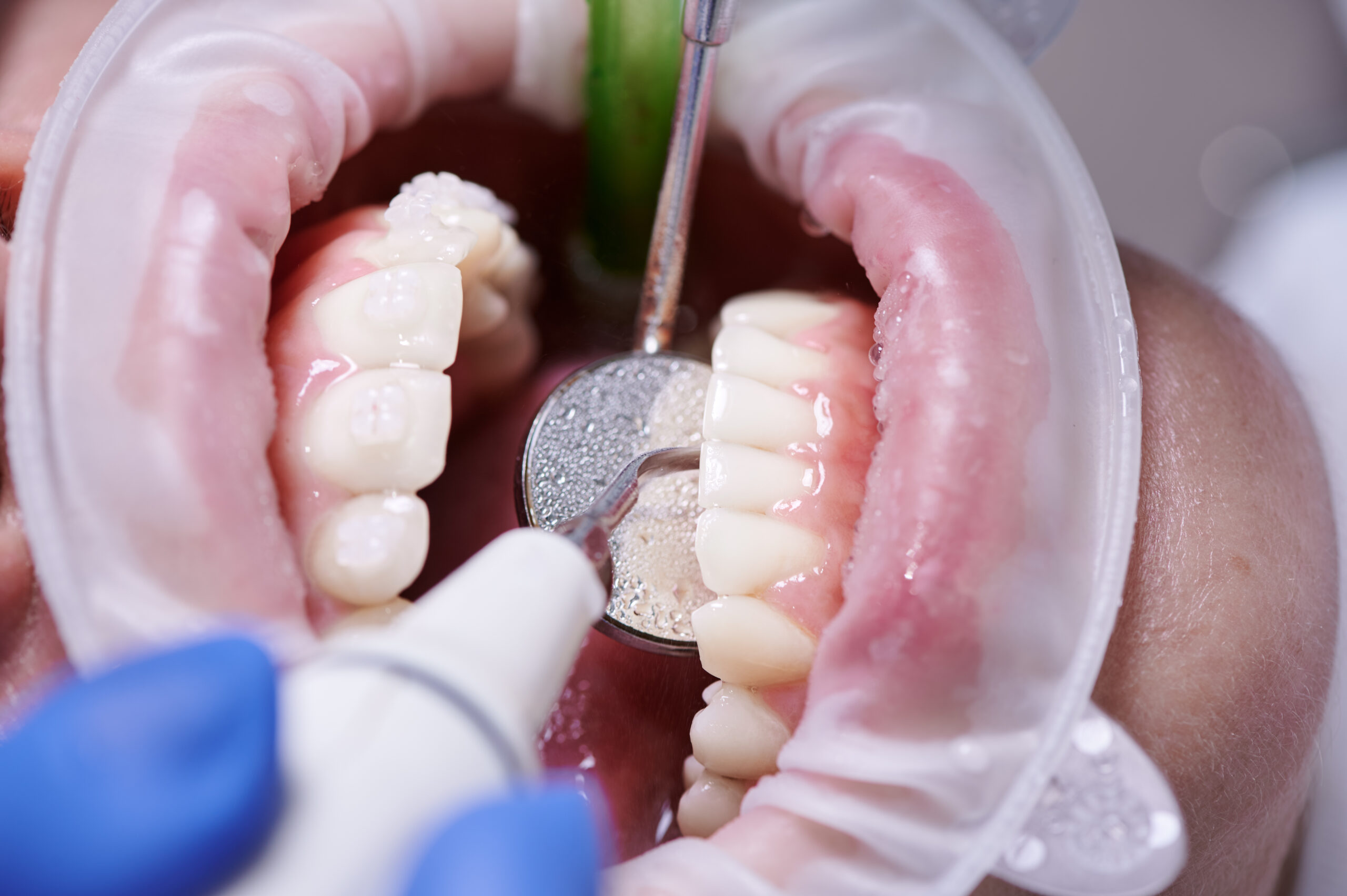
Teeth cleaning, commonly referred to as regular dental cleaning, is a preventive procedure designed to maintain oral stability and stop problems before they start.
What teeth cleaning actually does
Teeth cleaning focuses on:
- removing soft plaque that builds up daily
- polishing stains so teeth feel smoother
- supporting fresher breath and healthier gums
This is the visit you do when things feel “okay” like no bleeding gums, no swelling, or, no persistent bad breath.
Who teeth cleaning is best for
Teeth cleaning usually fits you when you’re keeping up with brushing and flossing, and you want to prevent problems before they start. Patients wearing braces & aligners often need closer hygiene maintenance since brackets, wires, and trays can make plaque buildup harder to control.
What Is Teeth Scaling?
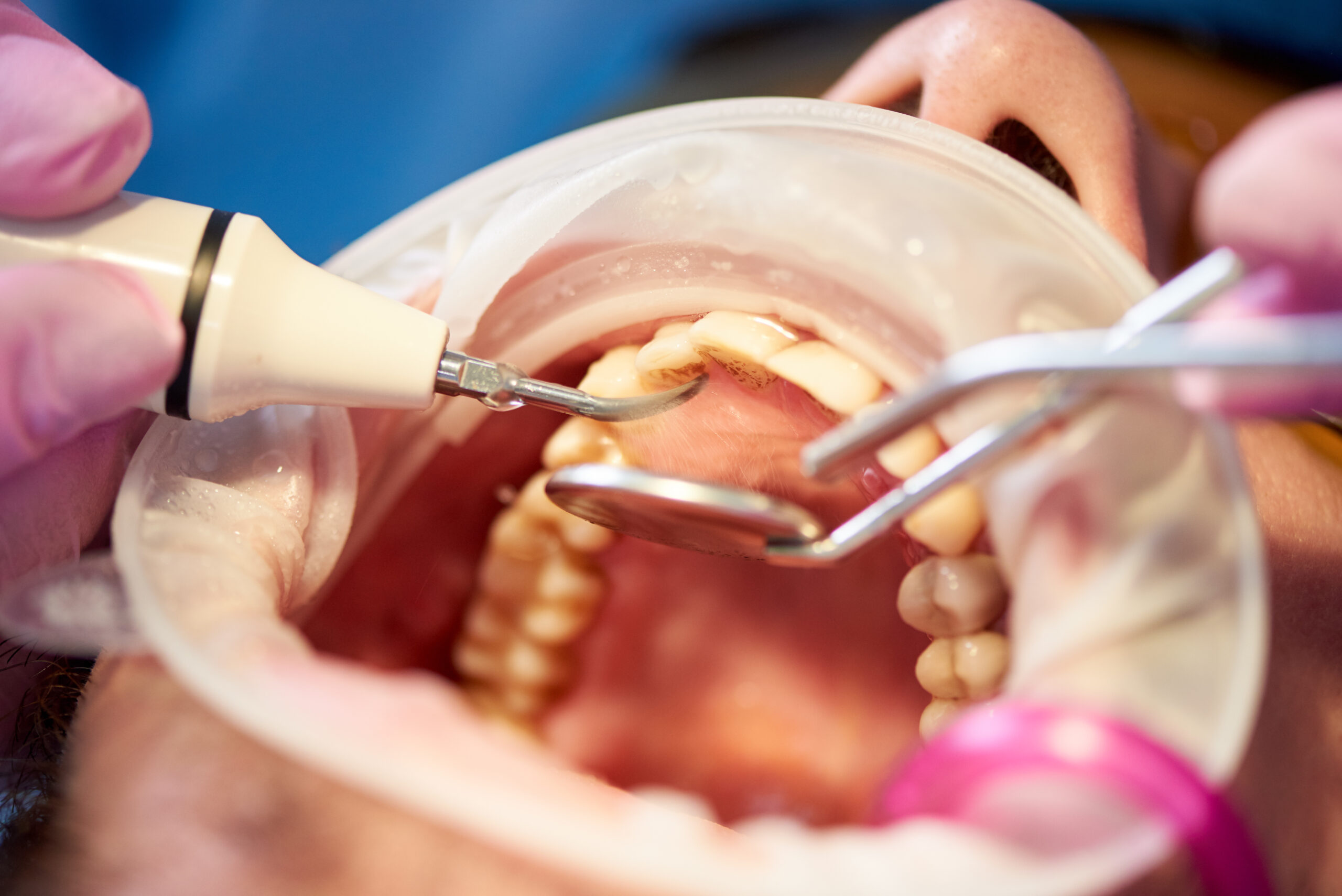
Teeth scaling is a deeper cleaning procedure that removes hardened tartar or plaque that has mineralised and bonded firmly to the tooth surface.
What makes scaling different
Scaling is different because tartar cannot be brushed away at home. Once it’s there, it needs professional instruments to remove it safely.
If your gums bleed when you brush, your teeth feel “rough” near the gumline, or bad breath keeps coming back fast, scaling is often the missing piece.
Deep cleaning teeth vs routine cleaning
You’ll hear “deep cleaning teeth” used by clinics in two ways:
- Some clinics use it loosely to describe “a more thorough scaling.”
- In clinical terms, deep cleaning often refers to scaling (and sometimes root planing) for gum pockets and early gum disease.
That’s why a proper assessment matters via a quick look at your gum condition can change what you actually need.
Why People Confuse Teeth Cleaning and Scaling Together
Most people use “teeth cleaning” as a general term for that smooth, fresh feeling after a dental visit. In a clinical setting, though, dentists classify cleanings into different types depending on how much buildup is present and how healthy
- Teeth cleaning / regular dental cleaning usually means routine plaque removal and polishing above the gumline.
- Scaling is the deeper work – removing tartar (calculus), including areas near or below the gumline.
Think of it like this:
– Regular cleaning is like wiping dust off a table.
– Scaling is scraping off hardened grime that’s been stuck there for weeks.
What Are The Side Effects of Teeth Cleaning & Scaling?
Both treatments are safe when performed professionally, but they can feel slightly different afterwards. The key is knowing what is normal and what is not.
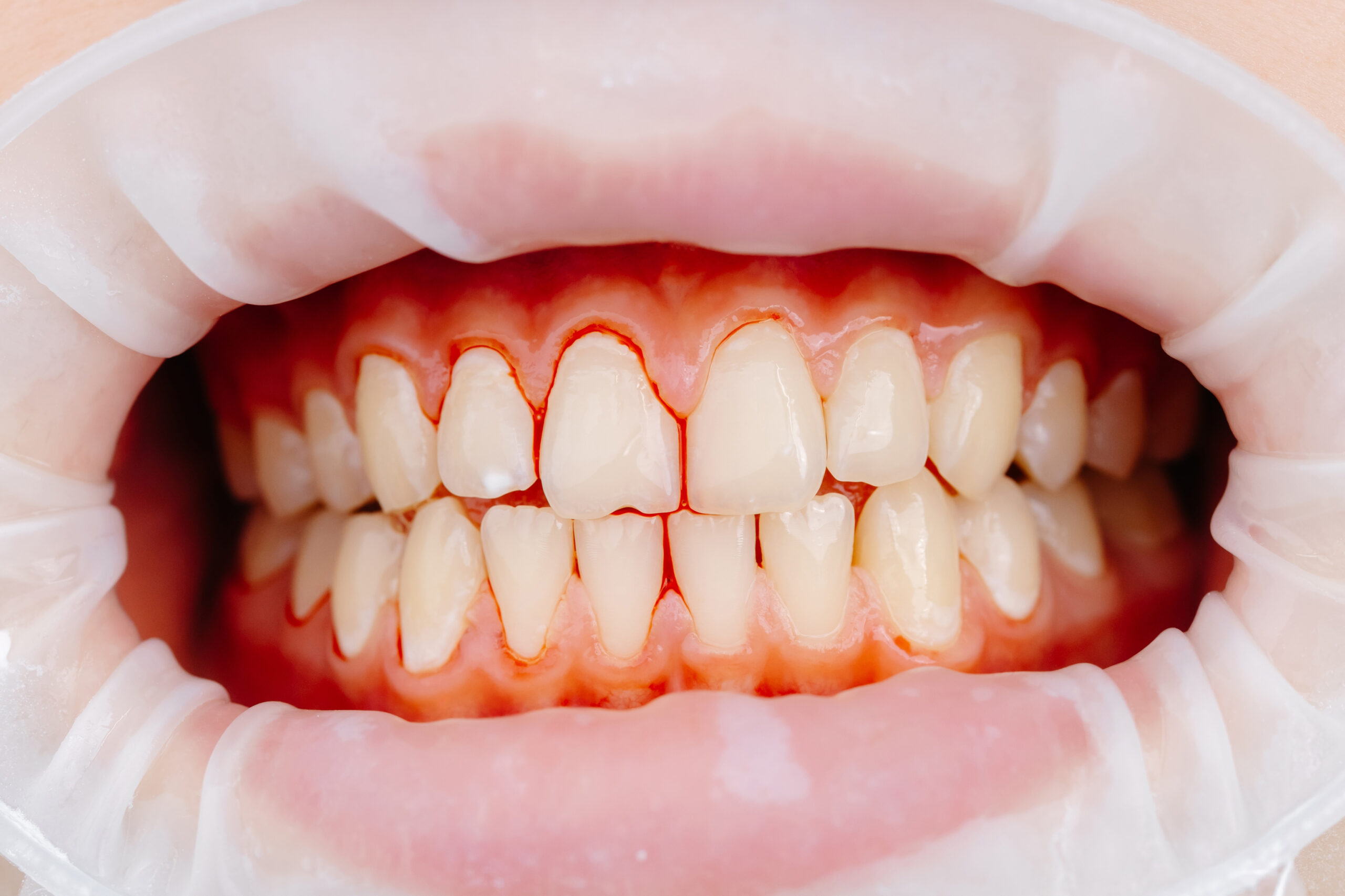
Side Effects Comparison Table
Treatment Type | Common Side Effects | Why It Happens | How Long It Lasts | When to Be Concerned |
Regular Teeth Cleaning | Mild gum tenderness, slight sensitivity after polishing | Gums were slightly inflamed before cleaning or surface polishing caused temporary irritation | 1 – 2 days | If sharp pain or persistent discomfort lasts more than 3 – 4 days |
Scaling / Deep Cleaning Teeth | Temporary tooth sensitivity, mild gum soreness, slight bleeding | Hardened tartar was removed, exposing areas near the gumline that were previously covered | 2 – 5 days | If swelling increases, pain worsens, or bleeding continues beyond a few days |
Sensitivity after scaling does not mean enamel was damaged;artar often hides exposed root surfaces. Once removed, those areas may feel sensitive for a short period.
How Often Should You Get Your Teeth Cleaned & Scaled?
There isn’t a fixed rule for how often scaling and polishing should be done. The right interval depends on your gum health, oral hygiene habits, and how quickly tartar forms on your teeth.
For most adults with healthy gums, we recommend regular dental cleaning every 6 months is a safe and practical baseline. Think of it as routine maintenance. Just like servicing your car before problems appear, cleaning helps remove plaque before it hardens into tartar and triggers inflammation.