After a tooth extraction, you should stick to soft, cold, or room-temperature foods for the first 24 to 48 hours such as yoghurt, porridge, mashed foods, and chilled drinks while avoiding anything hot, hard, crunchy, or chewy until the extraction site has had time to heal properly.
It sounds simple enough. But the number of people who end up back at the dental chair because they had hot soup too soon, or bit into something crunchy on day two, says otherwise. Recovery after a tooth extraction is straightforward when you know the rules and genuinely uncomfortable when you don’t. The team at Fresh Dental Care Kepong see post-extraction complications regularly, and the vast majority come down to diet.
Why Your Food Choices Matter More Than You Think After an Extraction
Most people leave the clinic focused on the pain. What they don’t realise is that what they eat in the first few days directly determines how smoothly or how badly that healing goes.
The Blood Clot Is the Star of Your Recovery
When a tooth is removed, a blood clot forms in the empty socket. That clot is not just dried blood, it is the biological foundation of your entire healing process. It protects the exposed bone and nerve endings underneath and creates the environment for new tissue to grow. Everything you do in the first 24 to 72 hours is essentially about protecting that clot.
How the Wrong Food Can Set You Back Days
Hard food can physically dislodge the clot. Hot food and drinks increase blood flow to the area, which can break it down. Chewy food puts mechanical strain on the socket walls. Even drinking through a straw creates suction that can pull the clot right out. None of these outcomes are dramatic at the moment but the pain that follows, usually 24 to 48 hours later when dry socket sets in, very much is. Getting the food choices right from the start is the simplest thing you can do for a smooth recovery.
Soft Foods to Eat After Tooth Extraction – What Actually Works
The good news is that eating well during recovery doesn’t have to mean eating badly. There are plenty of options that are genuinely satisfying, and a few Malaysian staples that are perfectly suited to this.
The First 24 Hours : Keep It Cold and Simple
In the first 24 hours, cold is your friend. Cold food and drinks help constrict blood vessels near the extraction site, reducing both bleeding and swelling. Chilled yoghurt, ice cream, cold silken tofu (taufu fa without the hot syrup), cold blended smoothies without seeds, and chilled plain water are all safe. The goal is minimal chewing, no temperature extremes, and nothing that requires the socket to work.
If you’ve just had a tooth extraction in Kepong and aren’t sure where to start, cold plain porridge or chilled tau foo fah is genuinely one of the better first meals.
Days 2 to 7: Expanding Safely Without the Risk
From day two onwards, you can start introducing soft, room-temperature foods. Well-cooked pasta, scrambled eggs, soft-steamed fish, porridge with minced meat, mashed pumpkin or sweet potato, and smooth peanut butter on soft bread are all good options. The key is to chew on the opposite side of the mouth from the extraction site, and to stop immediately if you feel any pressure or discomfort near the socket. By day five to seven, most patients can eat semi-solid foods comfortably, though this varies depending on the complexity of the extraction.
Malaysian-Friendly Options That Make Recovery Easier
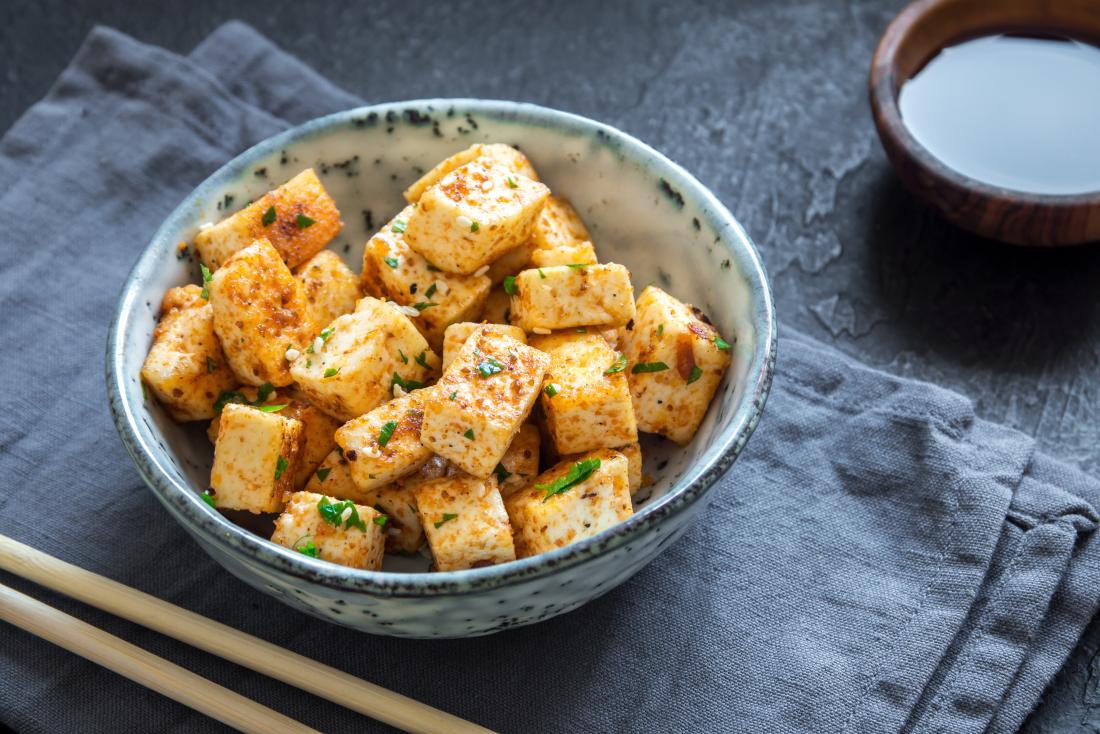
This is where local food culture actually works in your favour. Bubur nasi (rice porridge) is one of the best post-extraction foods. It is soft, warm (not hot), easy to swallow, and filling. Chilled cincau (grass jelly) with a little oat milk is soothing and anti-inflammatory. Steamed tofu with light soy sauce, soft-boiled eggs, and blended fruit smoothies without seeds are all practical, accessible options that most households already have.
Foods to Avoid After Tooth Extraction
Just as important as knowing what to eat is knowing what to leave alone, at least for the first week.
Hard, Crunchy, and Chewy Foods
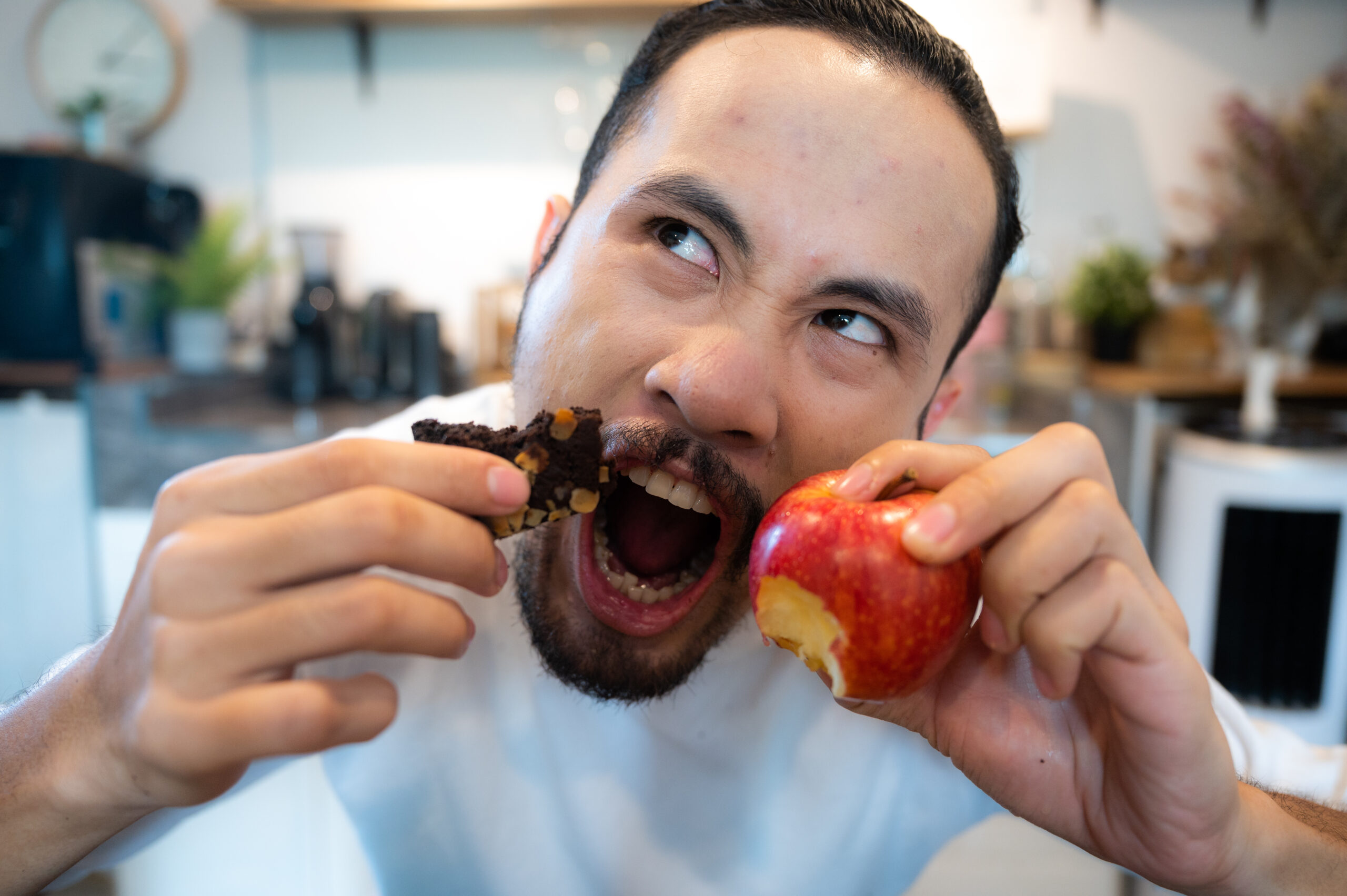
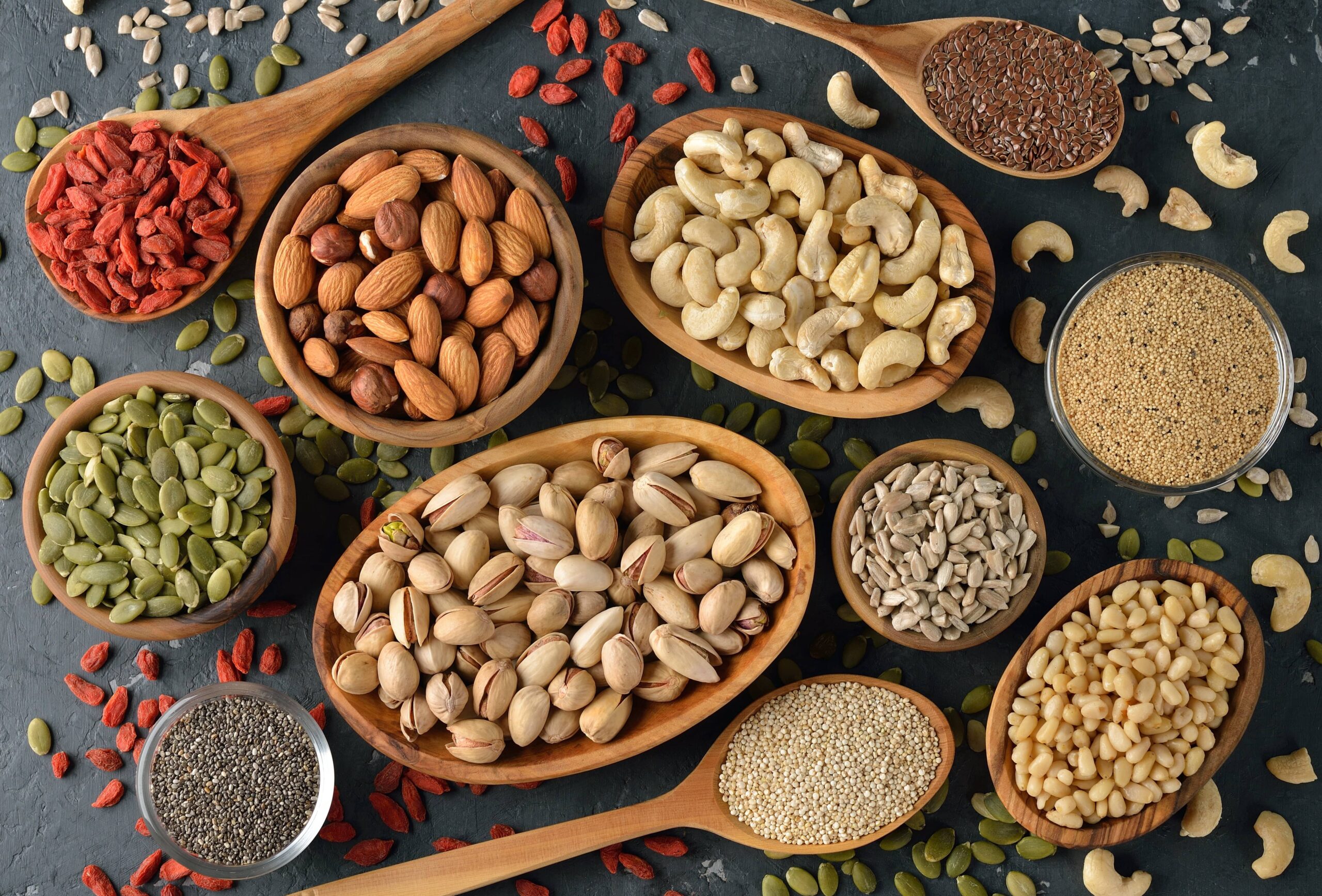
Nuts, keropok, prawn crackers, raw carrots, crusty bread, hard biscuits, and chewing gum are all off the table. These foods either require significant bite force near the socket or create debris that can get lodged in the wound. Sticky foods like gummy sweets or glutinous rice can physically pull at the clot or sutures if any were placed. The rule of thumb is simple: if it requires real effort to chew, it’s too soon.
Drinks That Slow Down Healing
Avoid hot drinks, carbonated drinks, and alcohol for at least 72 hours. Carbonation creates small pressure changes in the mouth that can disturb the clot. Alcohol thins the blood, delays clotting, and interacts with any pain medication prescribed after the procedure. Straws are also strictly off-limits for the first 24 to 48 hours, the suction is enough to dislodge the clot. Drink water and cold beverages directly from a cup instead.
When Should You Be Worried About How You’re Healing?
Most tooth extractions heal without any drama. Some mild soreness, a little swelling, and some sensitivity for a few days is completely normal. But there are signs that something more is going on.
Signs Your Recovery Is on Track
Healing is progressing well when the bleeding has stopped within a few hours of the procedure, swelling peaks around day two and then gradually reduces, and pain is manageable with over-the-counter medication and noticeably improving each day. Some patients also notice a white or yellowish tissue forming over the socket from around day three, this is healthy granulation tissue, not infection.
Red Flags That Need a Dentist’s Attention
Severe, throbbing pain that starts two to three days after the extraction, especially pain that radiates to the ear or jaw is the hallmark of dry socket and needs to be assessed promptly. Fever, swelling that is getting worse instead of better after day three, a bad taste that persists despite rinsing, or visible pus around the site all warrant a call to your dentist. If you are considering a permanent solution to a missing tooth down the line, your dentist can also walk you through options like dental implants in Kepong once the extraction site has fully healed, typically after two to three months.