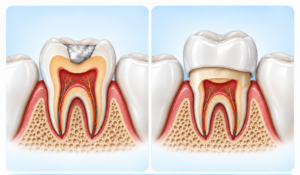
For most patients today, composite fillings are the better choice, they bond directly to the tooth, match your natural colour, and require less healthy tooth structure to be removed during placement. Amalgam still holds an advantage in durability and cost, making it a practical option in specific situations.
The silver filling versus tooth-coloured filling debate has been going on for decades, and the answer isn’t as straightforward as most comparison articles make it sound. Both materials are clinically proven, both are used daily by dentists across Malaysia, and both have their place depending on which tooth is affected, how severe the decay is, and what matters most to you. The team at Fresh Dental Care Kepong works with both materials and helps patients navigate this decision every day. Here’s what you actually need to know.
What Are Amalgam and Composite Fillings, Exactly?
What Goes Into an Amalgam Filling
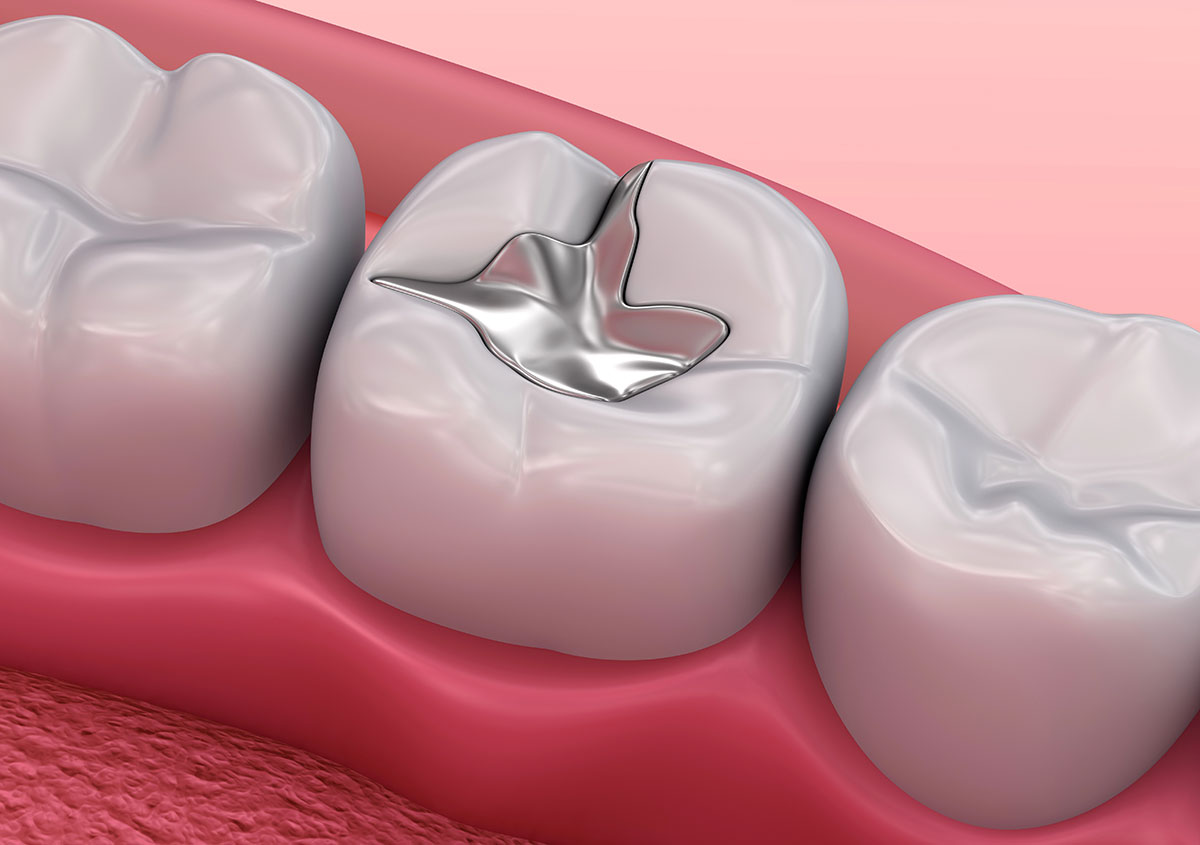
Dental amalgam is an alloy made from roughly 50% elemental mercury combined with a powder of silver, tin, and copper. The mercury binds the metals into a hard, stable material that has been used in dentistry for over 150 years. It sets quickly, withstands significant bite pressure, and remains one of the most durable filling options available. Its silver appearance is both its aesthetic limitation and for many older patients, a familiar marker of reliability.
What Makes Composite Different
Composite resin is a tooth-coloured material made from plastic resin and fine glass or ceramic particles. It is applied in layers and hardened with a curing light, bonding chemically to the tooth surface. Because of this bond, composite requires less removal of healthy tooth structure than amalgam, which relies on mechanical retention and needs a slightly wider cavity shape to stay in place.
Amalgam vs Composite : The Real Differences That Matter
Strength and Durability – Which Lasts Longer?
Amalgam has a clear edge in raw strength. It handles the sustained bite forces of the back teeth, molars and premolars particularly well. Modern composite has improved dramatically and performs adequately for most posterior cavities, but remains slightly more susceptible to wear and micro-fracture under very heavy biting forces. For large cavities in heavily used back teeth, amalgam’s mechanical advantage is still clinically relevant.
Appearance – Why It Matters More Than People Admit
Composite wins this category outright. It can be shade-matched so precisely that it becomes virtually invisible once placed. Amalgam is silver-grey and darkens further over time, making it obvious when you open your mouth wide. For front teeth, amalgam is almost never the right aesthetic choice. For back teeth, the decision becomes more clinical and financial. If you’re considering a tooth filling in Kepong, your dentist will factor in the cavity’s location when recommending a material.
Cost – The Honest Breakdown
Amalgam fillings are generally less expensive upfront because the material costs less and the procedure is usually faster. Composite fillings require more precise placement, including layering and bonding techniques, which can increase treatment time and cost.
That said, many patients today view composite as better long-term value. Beyond restoring function, composite offers improved aesthetics, better preservation of healthy tooth structure, and a more modern treatment approach. For many, the additional investment is worthwhile for a filling that looks and feels more natural.
How Long Do Amalgam Fillings Last vs Composite?
Amalgam Filling Lifespan in Real-World Conditions
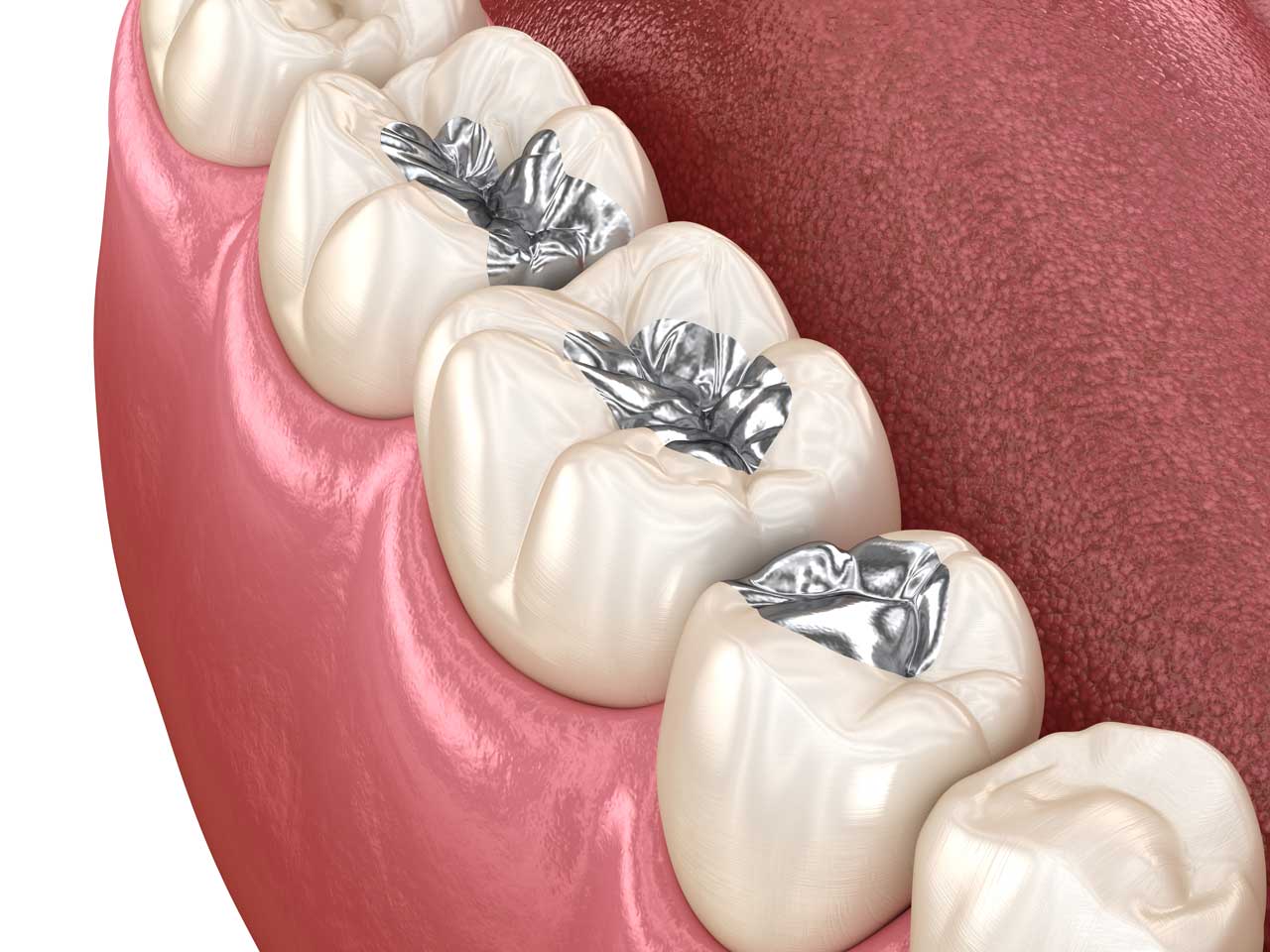
If you are wondering how long amalgam fillings last, they typically remain functional for around 10 to 15 years, with some lasting longer under good oral care. Their durability is one reason they were widely used in the past, especially for large cavities in back teeth.
However, longevity alone does not always make amalgam the better option. Because amalgam does not bond directly to the tooth, small gaps can develop at the filling margins over time. This may increase the risk of leakage, staining, or decay beneath older restorations, even when the filling still appears intact on the surface.
Composite Filling Lifespan and What Affects It
The average composite filling lifespan is around 5 to 10 years, though modern materials and improved bonding techniques are helping composite fillings last longer than before. In many routine cases, a well-placed composite filling can comfortably last 10 years or more.
The lifespan of composite fillings depends on factors such as cavity size, bite pressure, teeth grinding habits, and oral hygiene. More importantly, placement quality plays a major role. When done properly and maintained with regular dental check-ups, composite fillings offer excellent durability while preserving more natural tooth structure.
For most patients today, the lifespan difference between amalgam and composite is no longer as significant as it once was, making composite a highly reliable option for both function and aesthetics.
Why More Dentists Prefer Composite Fillings Today
Modern dentistry has shifted toward minimally invasive and adhesive treatment approaches.
Composite fillings align perfectly with this philosophy because they preserve more natural tooth structure while delivering excellent aesthetics and reliable function.
This is why many private dental clinics in Kepong now use composite as their default filling material for most cases.
Patients increasingly value:
- natural appearance
- metal-free restorations
- conservative treatment
- modern materials
As awareness grows, demand for composite fillings continues to rise.
If your filling is discoloured at the margins, causing sensitivity, or visibly compromised, it is worth having it assessed. In cases where decay beneath an old filling has progressed significantly, a root canal treatment in Kepong may be required before a new filling can be placed, your dentist will confirm this during the review.