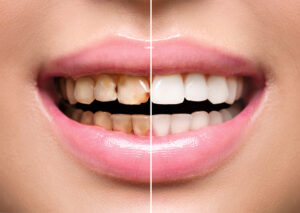
Most adults should do scaling and polishing every 6 months, but some people need it every 3 to 4 months depending on tartar buildup, gum health, and lifestyle habits.
For patients searching for a trusted dental clinic in Kepong that residents can rely on, our Scaling & Polishing services remove hardened tartar before it causes gum inflammation and deeper problems.
The “6-month rule” is a baseline; but your gums decide the real schedule.
Signs You Need Scaling and Polishing Sooner Than Your Next Appointment
Bleeding when brushing or flossing
Bleeding isn’t just “sensitive gums.” It often indicates inflammation. Scaling removes the tartar that keeps that inflammation active.
Bad breath that returns quickly
Breath that stays unpleasant despite brushing may point to bacteria trapped around tartar near the gumline. Mouthwash masks it. Scaling removes the source.
Roughness near the gumline
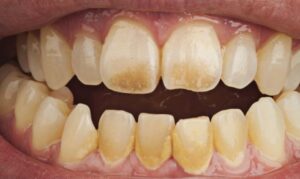
That scratchy texture at the base of teeth often means tartar is building again. Brushing won’t remove it once it hardens.
Orthodontic appliances and higher plaque trap risk
Braces create more plaque trap zones, which means tartar can build faster around brackets and wire areas. For patients with braces on, they often benefit from more consistent hygiene maintenance because buildup is simply harder to control at home.
People who build tartar faster
Some people notice the “rough gumline feeling” returning quickly, often within 2 to 3 months. This can happen due to saliva composition, crowded teeth, smoking, or inconsistent flossing. In these cases, teeth scaling can often shift to every 3 to 4 months to keep gums stable.
This isn’t overdoing it. It’s matching the treatment to the rate your mouth builds tartar.
Previous gum inflammation or early gum disease
Bleeding gums that keep coming back often means bacteria has been irritating the gums for a while. Regular scaling at shorter intervals helps control that cycle before it progresses. The goal is to prevent deeper gum pockets and long-term bone loss.
What Happens When Scaling Is Done Too Late

Tartar buildup overtime keeps bacteria sitting at the gumline for longer, and gums respond with inflammation. Over time, this can progress from mild gingivitis into deeper gum problems that require more intensive periodontal cleaning.
The simplest way to keep scaling comfortable is doing it regularly. The longer tartar sits, the more sensitive gums tend to become during removal.
Is Polishing Bad for Your Teeth?
This is one of the most searched concerns, and it’s fair.
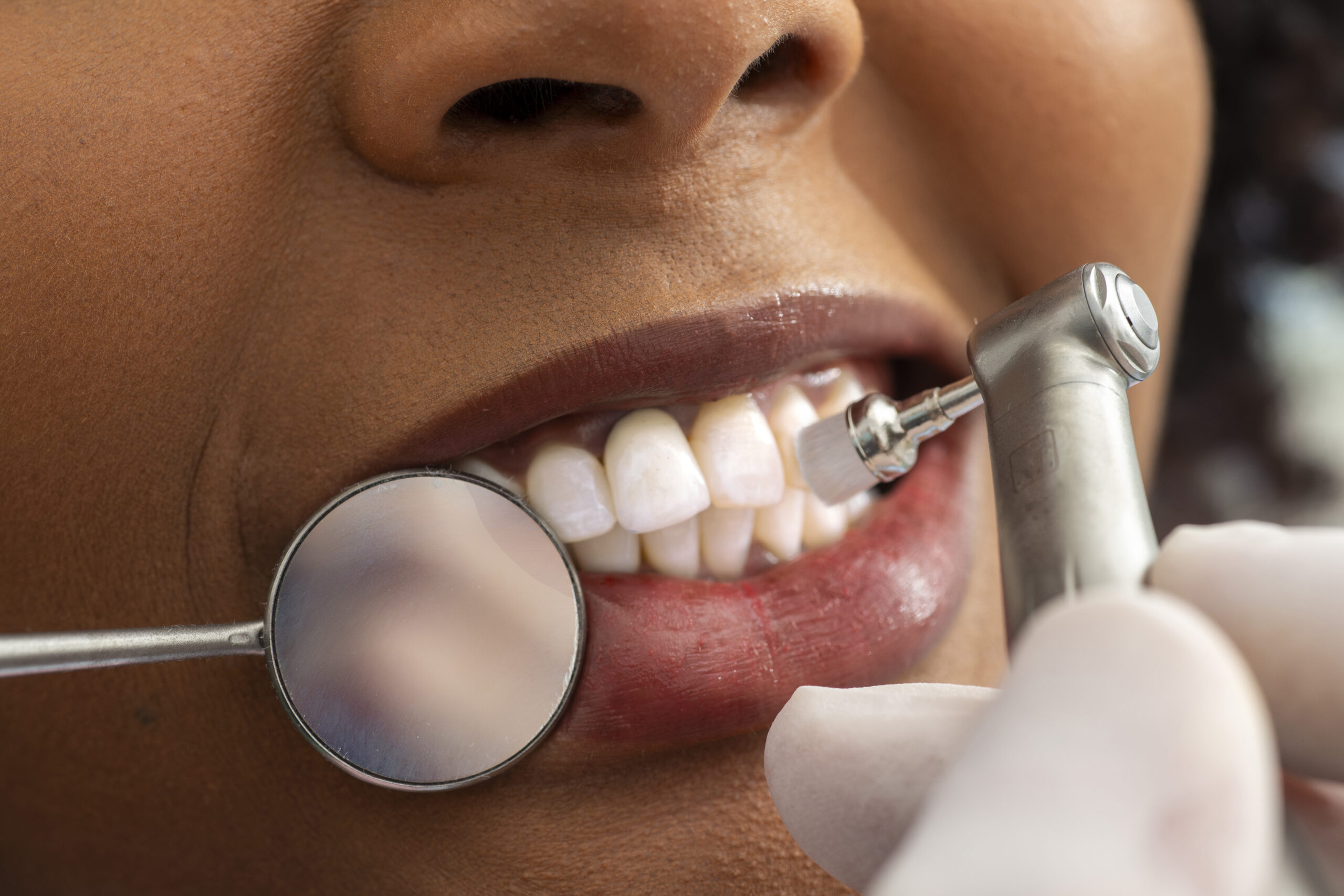
Polishing is good and painless when done professionally. Dentists use a polishing paste to remove surface stains and smooth the tooth surface so plaque has a harder time sticking. Where people get worried is when they imagine polishing as “scrubbing enamel away.” That’s not what it’s meant to do.
When polishing can be a problem
Polishing becomes less ideal when it’s done too aggressively, too frequently, or when someone has specific enamel concerns. That’s why dentists usually tailor polishing based on your stain level and enamel condition rather than polishing the same way every time.
The “Best Schedule” We Suggest To Our Patients

Most people settle into one of these patterns:
- Every 6 months for stable gums and slower tartar buildup
- Every 3 to 4 months for fast tartar buildup, smokers, or frequent coffee/tea habits
- A personalised interval after your dentist checks gum inflammation and tartar recurrence
The key takeaway is simple: scaling frequency follows gum behaviour, not just the calendar.