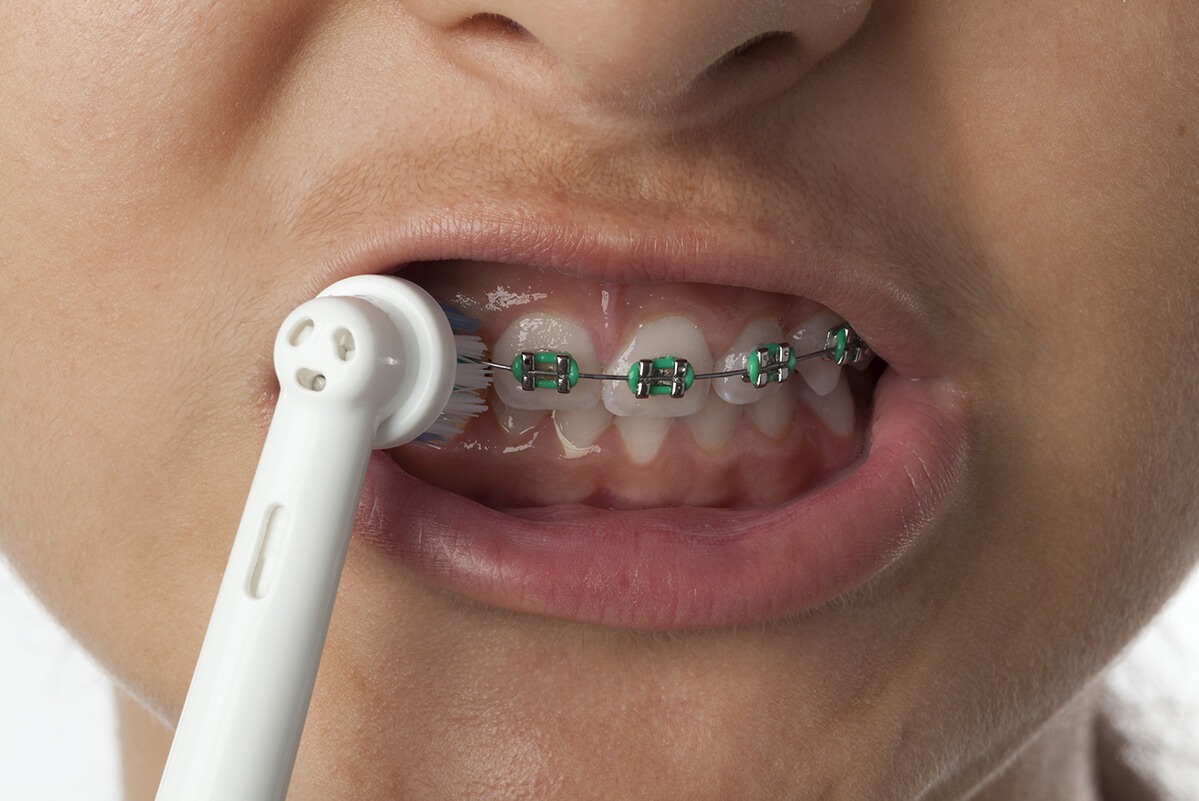
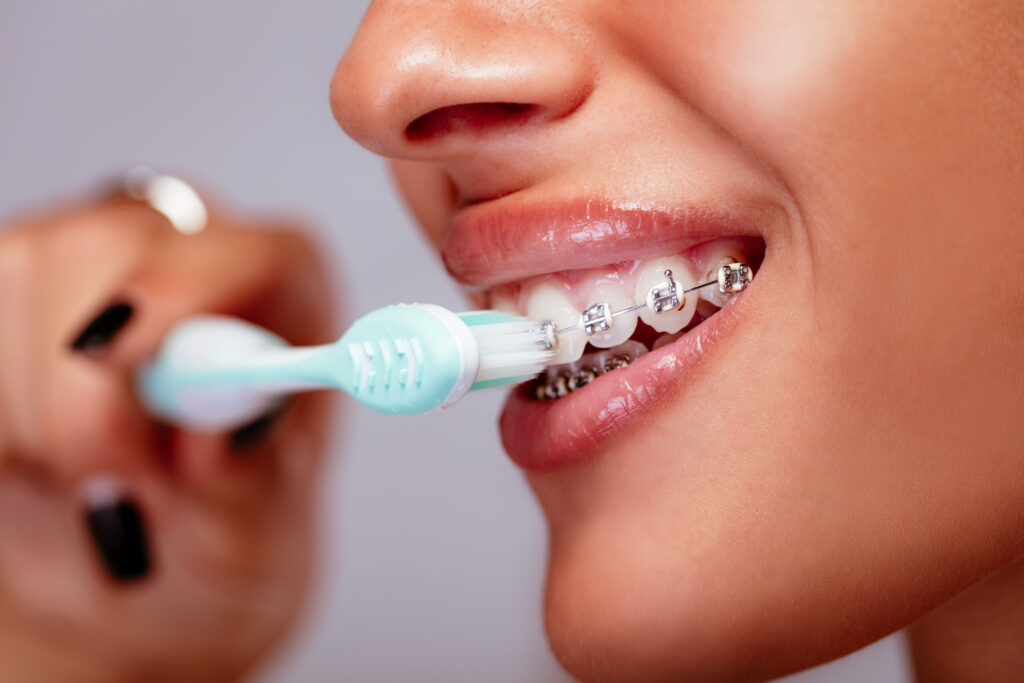

Brushing your teeth with braces requires more attention and technique to prevent plaque buildup and tooth decay. If you’re undergoing orthodontic treatment at our braces clinic in Kepong, this guide will help you maintain excellent oral hygiene throughout your treatment.
The Importance of Brushing with Braces
Braces trap food easily. That’s just a fact. Without proper cleaning, bacteria will feed on food particles stuck between wires and brackets, leading to swollen gums, decalcification, bad breath, or worse – cavities under the braces.
For patients visiting our dental clinic in Kepong, we always emphasise that brushing with braces is not optional – it’s a must. Braces don’t protect teeth. They simply align them. It’s your job to keep them clean while the wires do their work.
How to Brush Your Teeth with Braces
So how do you actually put all that technique into practice, step by step? Brushing your teeth with braces takes longer and requires more focus – but once it becomes a habit, it’s second nature.
Start by Rinsing Your Mouth with Water
Before you even pick up your toothbrush, swish water around your mouth for 15–30 seconds. This helps loosen food particles stuck around brackets and wires, making your brushing more effective from the start.
Apply a Pea-Sized Amount of Fluoride Toothpaste
Fluoride strengthens enamel and helps prevent cavities – which you’re more susceptible to when wearing braces. Avoid whitening toothpastes during your orthodontic treatment as they can create uneven coloring once the brackets come off.
Brush at a 45-Degree Angle to the Gum Line
Aim the bristles where the gums meet the teeth. You need to cover that crevice, because that’s where plaque builds up and where gingivitis starts.
Clean Each Tooth Individually, Including Brackets and Wires
Don’t rush across rows of teeth. Pause on each tooth and clean both the surface and the brackets. Use gentle pressure and focus your efforts – this is where careless brushing leads to long-term staining or decay.
Use Gentle, Circular Motions
Skip the aggressive back-and-forth strokes. Instead, use small circular motions, especially around brackets and along the gum line. This gives you better control and avoids wire damage.
Brush the Outer, Inner, and Chewing Surfaces of All Teeth
Most people forget the inside surfaces of their teeth when in a rush. That’s a mistake. Tilt your brush vertically and reach behind the lower front teeth, a notorious tartar zone.
Pay Extra Attention to Areas Around Brackets and Wires
Food and plaque collect easily in these areas. Treat them like high-risk zones. Don’t skip them, even when tired or in a hurry.
Rinse Thoroughly with Water After Brushing
Once you’ve covered all surfaces, rinse your mouth thoroughly. If food particles or toothpaste residue are still lingering, a second rinse can make a difference.
Frequency of Brushing with Braces


Wearing braces means your teeth and gums require more attention than usual. The brackets, wires, and bands all create tiny crevices where plaque, bacteria, and food particles can easily collect. Poor oral hygiene while wearing braces doesn’t just lead to cavities – it can also delay your treatment timeline and lead to permanent staining or gum inflammation.
Brush at Least Three Times a Day
Brushing in the morning, after lunch, and before bed is essential. While brushing twice a day might have worked before braces, it’s not enough now. Brushing after meals ensures that sticky residues from rice, sauces, or drinks don’t get trapped in your braces, feeding bacteria and causing decay. Even a quick brush at school or work after lunch can make a huge difference in maintaining oral health.
Brush for a Minimum of 2–3 Minutes Each Time
Most people only brush for about 45 seconds – far less than needed. With braces, every tooth surface needs individual attention, especially around each bracket and underneath wires. A good practice is to divide your mouth into four zones (top left, top right, bottom left, bottom right) and spend at least 30–45 seconds on each. If you rush, you’ll miss critical areas and allow plaque to harden into tartar.
Consider Brushing More Frequently if Consuming Sugary or Starchy Foods
Malaysian favourites like nasi lemak, roti canai, and teh tarik are delicious but often high in sugar and starch. These foods break down into sugars that bacteria love. Snacking on keropok or kuih between meals without brushing afterward creates a perfect environment for plaque buildup. Carry compact toothbrush in your bag or car to make brushing after snacks easier and you don’t need to always use toothpaste when brushing at school or work
Choosing the Right Brush for Braces

When you have braces, the toothbrush you use matters as much as how you brush. At Fresh Dental Care Kepong, we emphasise choosing tools designed for braces, not just generic ones to protect your orthodontic investment.
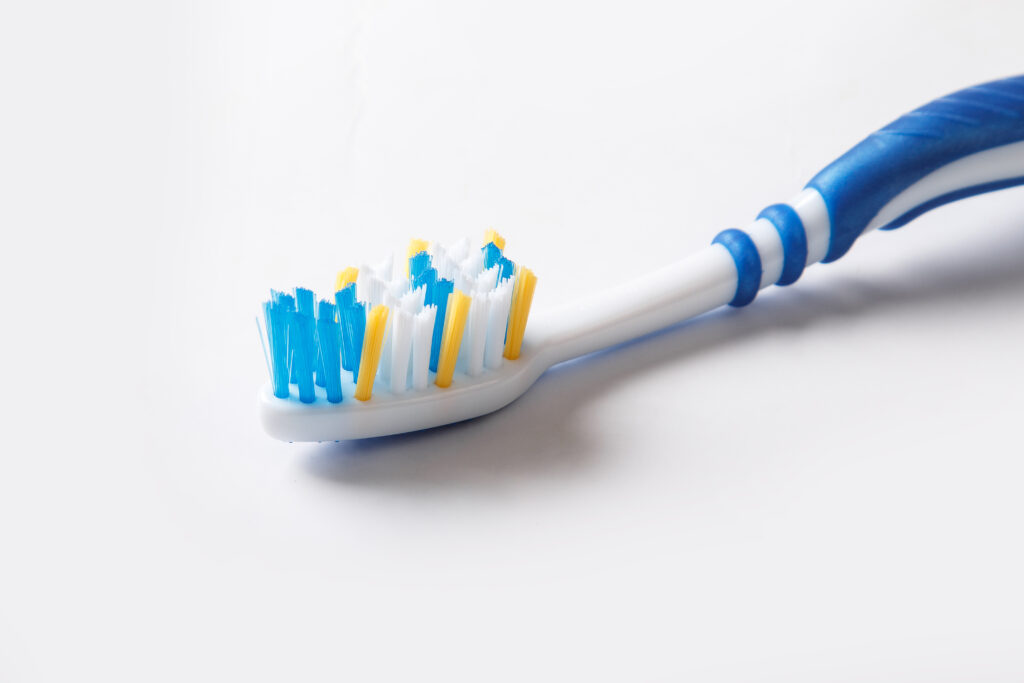
Opt for a Soft‑Bristled Toothbrush
Braces create extra pressure on the gums and enamel when you brush incorrectly. A soft‑bristled toothbrush cleans effectively without risking damage to your brackets or wires.
Consider Using an Orthodontic Toothbrush
Orthodontic toothbrushes feature bristles shaped to accommodate brackets and wires often a “V” or “U” pattern. These designs allow the bristles to clean around the hardware and reach behind wires. For instance, some models include shorter central bristles to fit below a wire and longer outer bristles for the tooth surface
Electric Toothbrushes – A Good Choice with Caution
If you prefer convenience and advanced features, electric toothbrushes can be a strong option. They often provide timers and pressure sensors useful when you’re brushing with braces. However, choose a brush with a small head and soft bristles to avoid damaging brackets or irritating gum tissue.
Small Heads for Hard‑to‑Reach Areas
Brackets and wires create narrow spaces where plaque loves to hide especially at the back of the mouth or along the gumline. A compact toothbrush head helps you reach those areas effectively. Look for brush heads no larger than 2.5 cm in width, this size allows you to clean around your orthodontic appliances without missing critical spots.
Common Mistakes to Avoid
Brushing with braces takes more effort, and many patients fall into avoidable habits that reduce the effectiveness of their hygiene routine. Ignoring these can lead to stained teeth, cavities, or even gum disease during your orthodontic treatment.
Not Brushing After Meals
Skipping post-meal brushing allows food debris to sit around your brackets and wires for hours. In Malaysia’s hot climate and carb-rich diet, this can quickly turn into plaque or acid buildup. If brushing isn’t possible, at least rinse with water or use a travel-size mouth rinse.
Not Using the Right Tools
Many patients assume their regular toothbrush will do the job. However, without tools like an interdental brush or orthodontic toothbrush, you’re likely missing spots around brackets and under wires. These blind spots become plaque hotspots.
Not Brushing Thoroughly
Brushing for a full two minutes isn’t just a guideline – it’s essential. A rushed 30-second scrub will miss multiple tooth surfaces and encourage buildup. Use a timer or play a short song to make sure you cover all areas properly.
Using a Hard-Bristled Toothbrush
Hard bristles may seem like they clean better, but they can damage enamel and irritate your gums – especially around sensitive bracket areas. Always opt for soft or orthodontic-specific bristles designed to clean gently and effectively.
If a dental filling falls out, it’s important to contact your dentist as soon as possible. A lost filling can leave your tooth exposed, increasing the risk of pain, sensitivity, or decay. While waiting for your appointment, avoid chewing on that side of your mouth and keep the area clean by gently rinsing with warm water. Over-the-counter pain relievers can help if the tooth is sensitive. Your dentist will usually replace the filling or recommend another restoration to protect your tooth and restore its function.
FAQ - Frequent Asked Questions
Can I use whitening toothpaste while wearing braces?
It’s generally not recommended. Whitening toothpaste can lighten exposed areas of your teeth, but leave darker patches where the brackets are placed. This can result in uneven colouring once the braces are removed.
Do I need to brush after every snack?
Ideally, yes. Braces trap food particles easily, so brushing after every meal or snack helps prevent plaque buildup and decay. If brushing isn’t possible, rinsing thoroughly with water or using a mouthwash can help in the meantime.
Can I use an electric toothbrush with braces?
Yes, but make sure it has a soft-bristled head and isn’t overly aggressive. Electric toothbrushes can help clean more efficiently around brackets and gum lines, especially when used properly and for the right duration.
Do I need to floss with braces?
Absolutely. Braces create many small spaces where food can get trapped. Use waxed floss with a threader, a water flosser, or interdental brushes to clean between teeth daily. Skipping flossing increases the risk of decay and gum problems.
What toothpaste is best for brushing with braces?
Choose a nonabrasive fluoride toothpaste. It should strengthen enamel and help protect against decay without scratching the brackets. Avoid whitening formulas as they can cause uneven coloration after your braces are removed.
Book a Consultation With Fresh Dental Care Kepong

Brushing your teeth with braces takes more time, effort, and technique – but you’re not alone in figuring it out. At Fresh Dental Care Kepong, our orthodontic team is here to guide you every step of the way, from installation to oral care routines that work for your lifestyle.
If you’re wearing braces or considering them, our clinic offers personalised support, hands-on demos, and professional cleanings that complement your daily routine. Plus, our braces treatment in Kepong is affordable, locally trusted, and backed by years of orthodontic experience.
Reach out today via WhatsApp or call us to book your consultation. Let’s keep your smile clean, aligned, and cavity-free – even with braces on.