Taking care of your dentures properly helps them last longer, feel more comfortable, and look natural — and at Fresh Dental Kepong’s prosthodontic care, we’ve seen first-hand how good denture habits can prevent damage, stains, and unnecessary replacements.
Unlike natural teeth, dentures require their own care routine. From daily cleaning to avoiding common mistakes, good denture hygiene keeps your gums healthy and your smile confident. Whether you’re new to dentures or have had them for years, learning the right way to maintain them is key to avoiding costly repairs or replacements.
Why Denture Hygiene Is More Important Than You Think
Most denture wearers assume rinsing is enough, but improper or inconsistent cleaning can lead to bad breath, gum infections, and even fungal overgrowth like denture stomatitis. More importantly, neglecting denture hygiene can accelerate wear and tear, causing warping, cracks, or discomfort that leads to costly remakes.
At Fresh Dental Kepong, we’ve treated patients with recurring ulcers, sore spots, and premature denture damage — all avoidable with proper denture care habits. Your oral health isn’t just about clean-looking teeth. Dentures sit directly on soft tissue, so bacteria buildup can irritate or inflame your gums, increasing the risk of infection or oral thrush.
If your dentures aren’t cleaned well or don’t fit right, it can also affect chewing ability, speech clarity, and overall comfort. That’s why taking denture hygiene seriously is not optional — it’s essential.
Daily Denture Cleaning Tips That Actually Work
Dentures might be artificial teeth, but they’re just as prone to plaque, staining, and bacterial buildup as natural ones. The key to extending their lifespan and avoiding painful oral issues lies in your daily care habits.
How to Clean Denture Stains Without Damaging Them
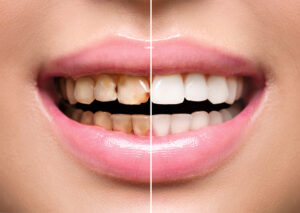
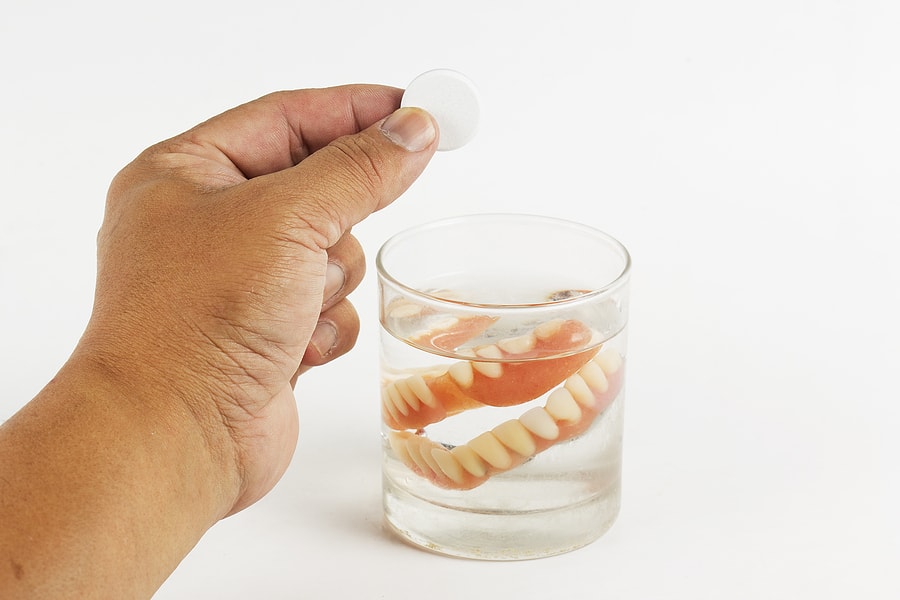
Scrubbing hard isn’t the answer. In fact, using abrasive cleaners or hard-bristled brushes can scratch the surface and make dentures more stain-prone over time. Instead, soak your dentures in a gentle cleaning solution made for them — or use denture cleaning tablets that dissolve and break down stubborn stains without damaging the material.
If your dentures are already stained from coffee, tea, or smoking, schedule a quick polish at our professional dental scaling and polishing service in Kepong. This helps restore their natural colour and texture without risking damage.
How to Clean Plaque From Dentures
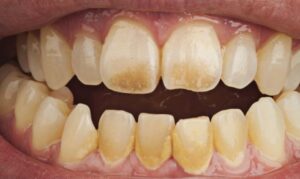
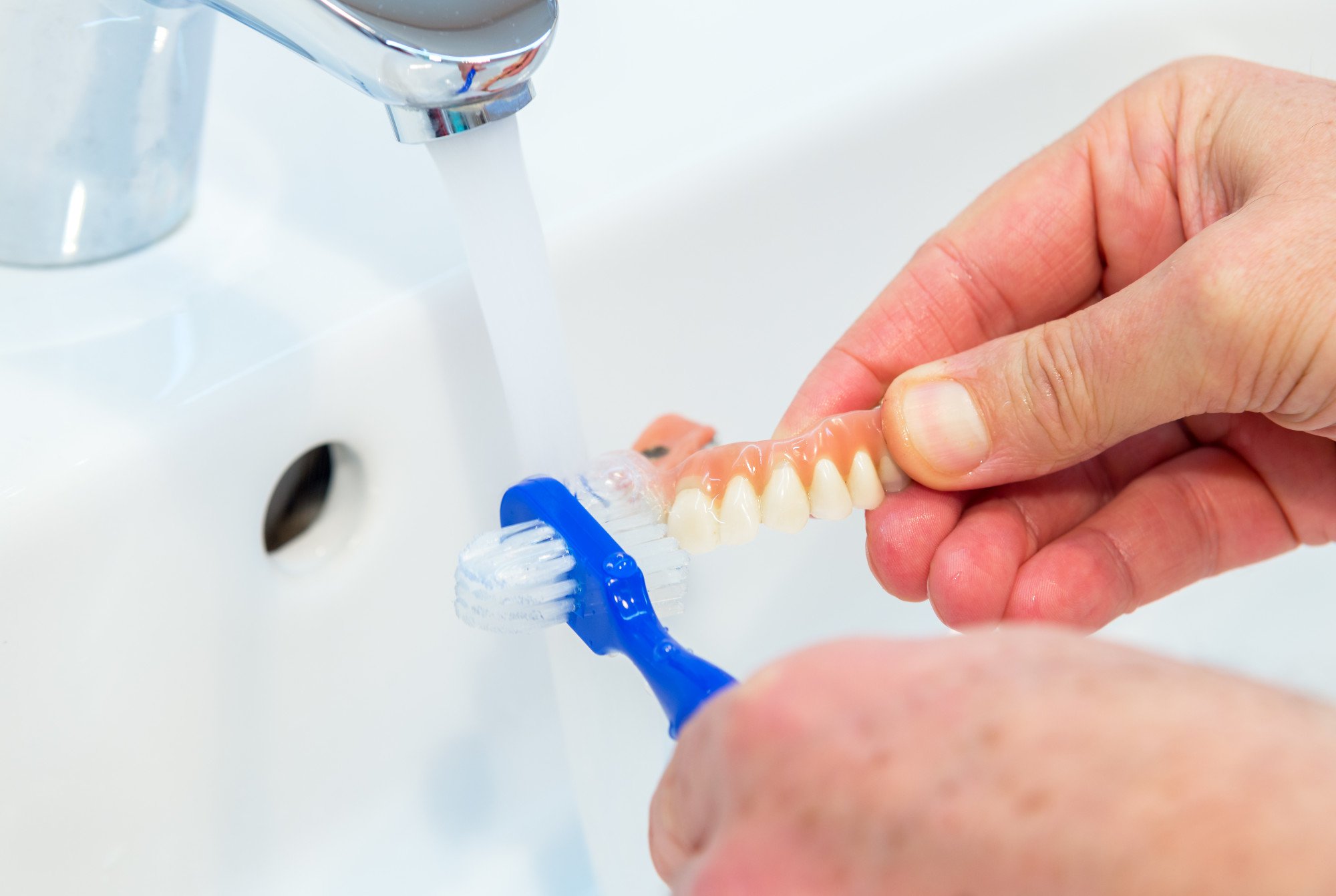
Plaque on dentures feels slimy and often causes bad breath. The fix? Use a soft-bristled denture brush with mild dish soap or a denture cleanser. Brush every surface — including the underside — and rinse well. Unlike regular toothpaste, which contains harsh abrasives, denture-specific products clean without eroding materials.
Rinse dentures after every meal if possible, especially if you’re using denture adhesives. This keeps food particles and plaque from sitting too long and causing odours or irritation.
Handle Dentures Carefully: What Not to Do
Your dentures are custom-made medical devices — not just cosmetic accessories. A single mistake in how you clean, store, or wear them can shorten their lifespan or even cause harm to your oral tissues.
Don’t Use Hot Water to Clean Dentures
Hot water may seem like a good idea for killing germs, but it can warp the acrylic base of your dentures, making them loose or uncomfortable. Stick with lukewarm or cool water when rinsing or soaking.
Avoid Abrasive Cleaners and Hard Brushes
Toothpaste is meant for enamel, not acrylic or resin. Using gritty products or stiff brushes can cause tiny scratches, which trap plaque and lead to stains or odour. Use soft-bristled denture brushes with non-abrasive cleansers designed for prosthetics.
Don’t Leave Dentures Out to Dry
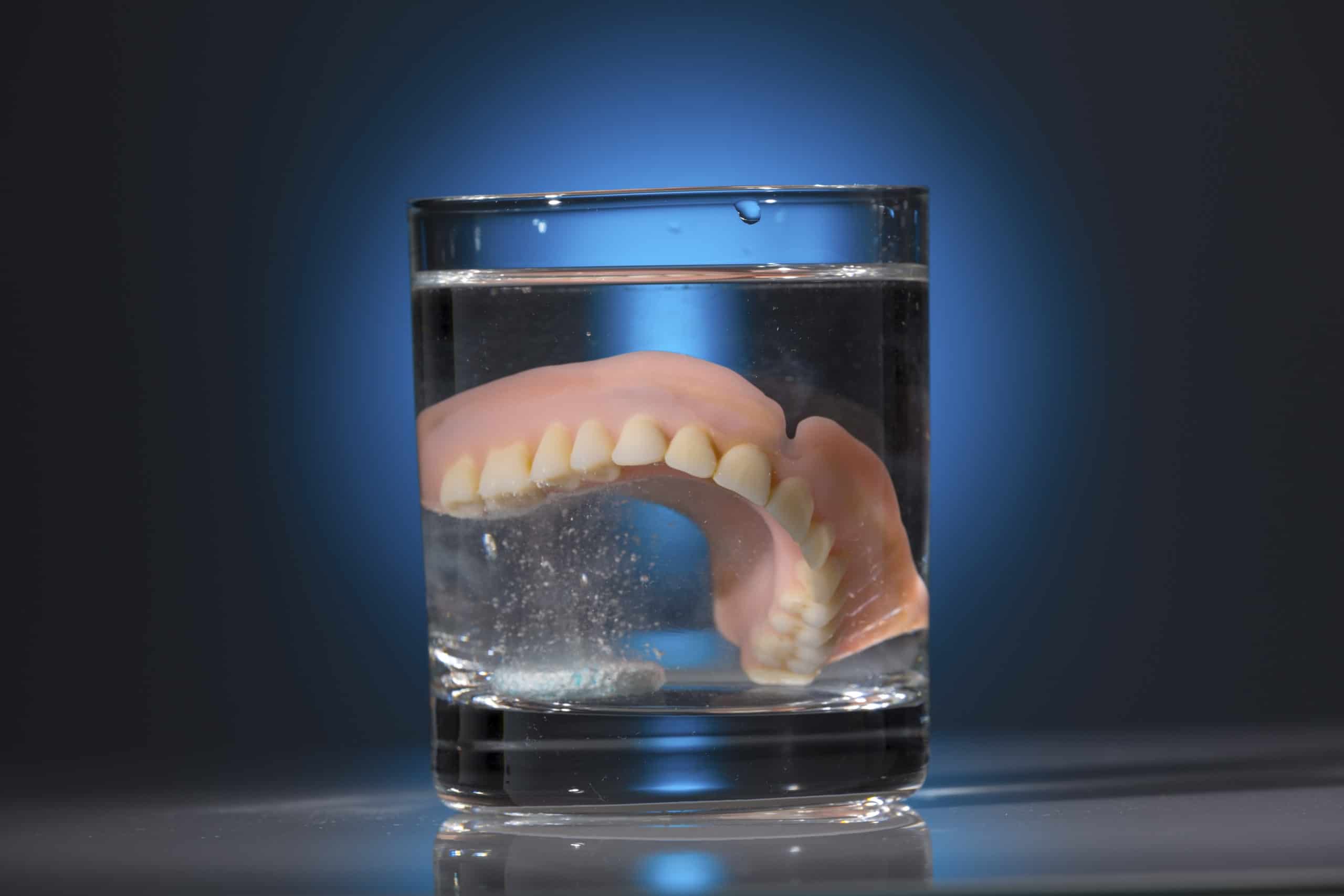
Leaving dentures on a table or in tissue overnight isn’t just unsanitary — it can dry them out and cause them to lose shape. Always soak them in clean water or a dentist-approved solution to maintain their fit.
Never Attempt to Adjust or Repair Dentures Yourself
DIY repairs often lead to irreparable damage. If your dentures crack or feel uncomfortable, book a visit to our Kepong denture repair specialists instead of trying to fix them with glue or household tools.
Wearing Dentures to Sleep (Without Cleaning)
If you sleep with dentures in, clean them thoroughly before bedtime. Bacteria multiply quickly in a moist environment, leading to inflammation, fungal infections, or bad breath. For full cleaning, remove and soak them overnight to give your gums a rest too.
Denture Care Products That Actually Work
Choosing the right tools makes all the difference when it comes to how to care for dentures. Not all dental products are created equal — and using the wrong ones can damage your dentures or reduce their lifespan.
Denture Brushes vs. Regular Toothbrushes
Regular toothbrushes, even soft ones, are not ideal for cleaning dentures. Denture brushes have bristles specifically designed to clean around the curves and crevices of artificial teeth without scratching the surface. Their dual-head designs make them easier to handle and more effective at reaching hard spots.
If you’re unsure about which brush to use, ask during your next visit to our comprehensive dental treatment centre in Kepong. Our team will recommend the best brush type based on your denture material and your hand dexterity.
Denture Cleaning Solutions
Soaking your dentures in water is better than nothing, but specialised denture cleaning tablets go a step further by removing odours, stains, and bacteria. These tablets dissolve in water and create an effervescent solution that penetrates buildup — no scrubbing required.
Avoid bleach, vinegar, or household disinfectants. They may seem like effective cleaners, but they’re too harsh and can degrade or discolour your dentures over time.
Denture Adhesives (Optional but Helpful)
Denture adhesives help improve the fit and confidence of partial or full dentures — especially when eating or speaking. While not mandatory, they’re great for first-time wearers or those adjusting to new prosthetics. Just be sure to clean off all adhesive residue each night before soaking your dentures.