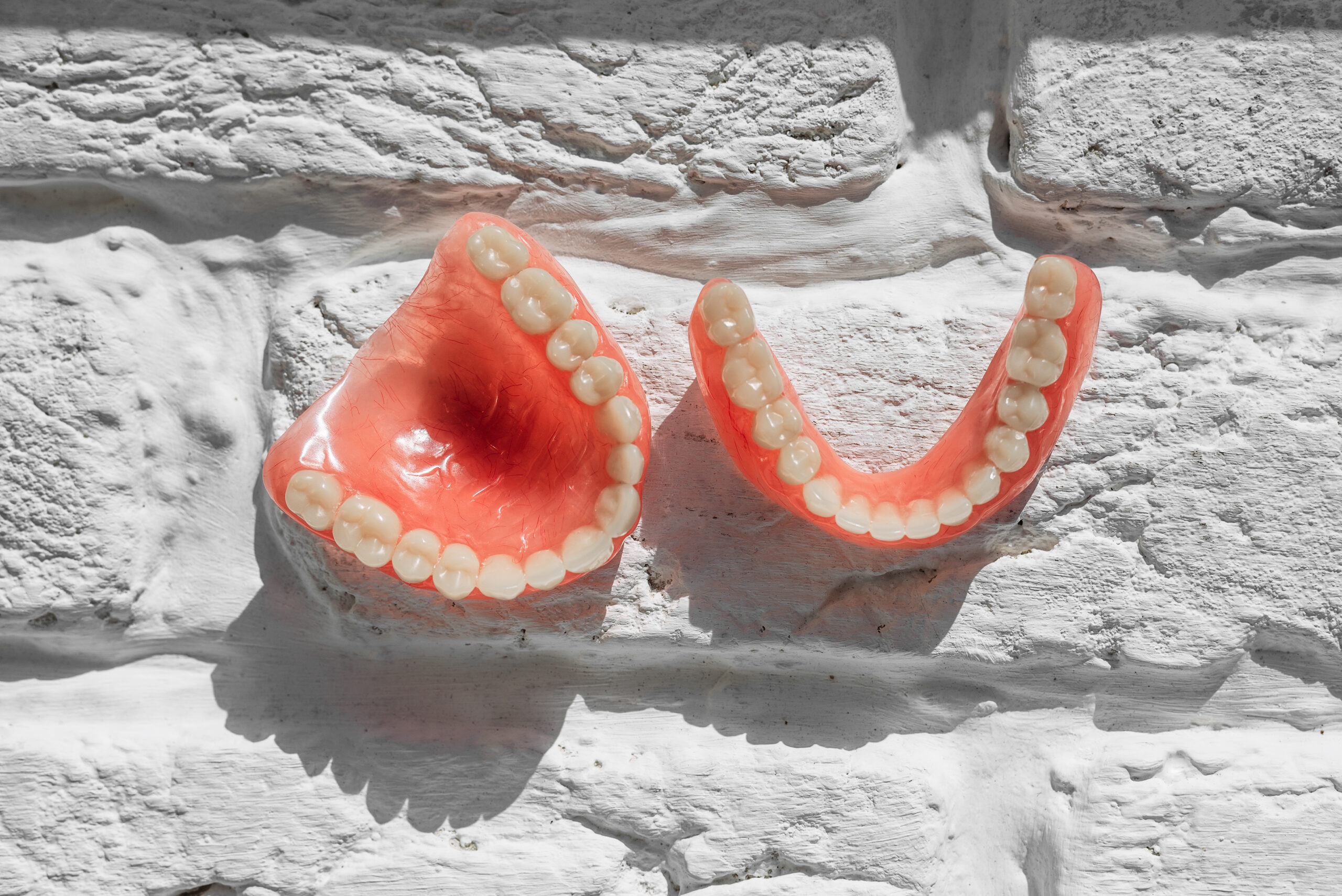
Most dentures need replacing every five to eight years – and if yours are causing discomfort, slipping while you eat, or starting to look worn out, those are clear signals that a replacement is overdue. As a trusted dental clinic in Kepong, Fresh Dental Care sees patients every week who have been putting up with ill-fitting dentures far longer than they should.
Your jawbone and gums change shape over time. Even the best-made dentures will eventually stop fitting the way they did when you first got them. And wearing dentures that no longer fit properly is not just uncomfortable – it can cause real damage to your oral health.
So how do you know when it is time for a new set? Here is what to look out for.
How Long Do Dentures Actually Last?
There is no fixed expiry date, but dental professionals generally agree that five to eight years is a reasonable lifespan. Some patients get more mileage out of theirs, while others may need a replacement sooner. It depends on how well the dentures are maintained, the material they are made from, and how much your mouth changes over time.
Your jawbone naturally resorbs (shrinks) after teeth are removed, and this process does not stop just because you are wearing dentures. Over the years, this gradual bone loss changes the shape of your gum ridge. Your dentures stay the same shape, but your mouth does not. That mismatch is what eventually causes all the problems.
5 Signs You Need Replacement Dentures
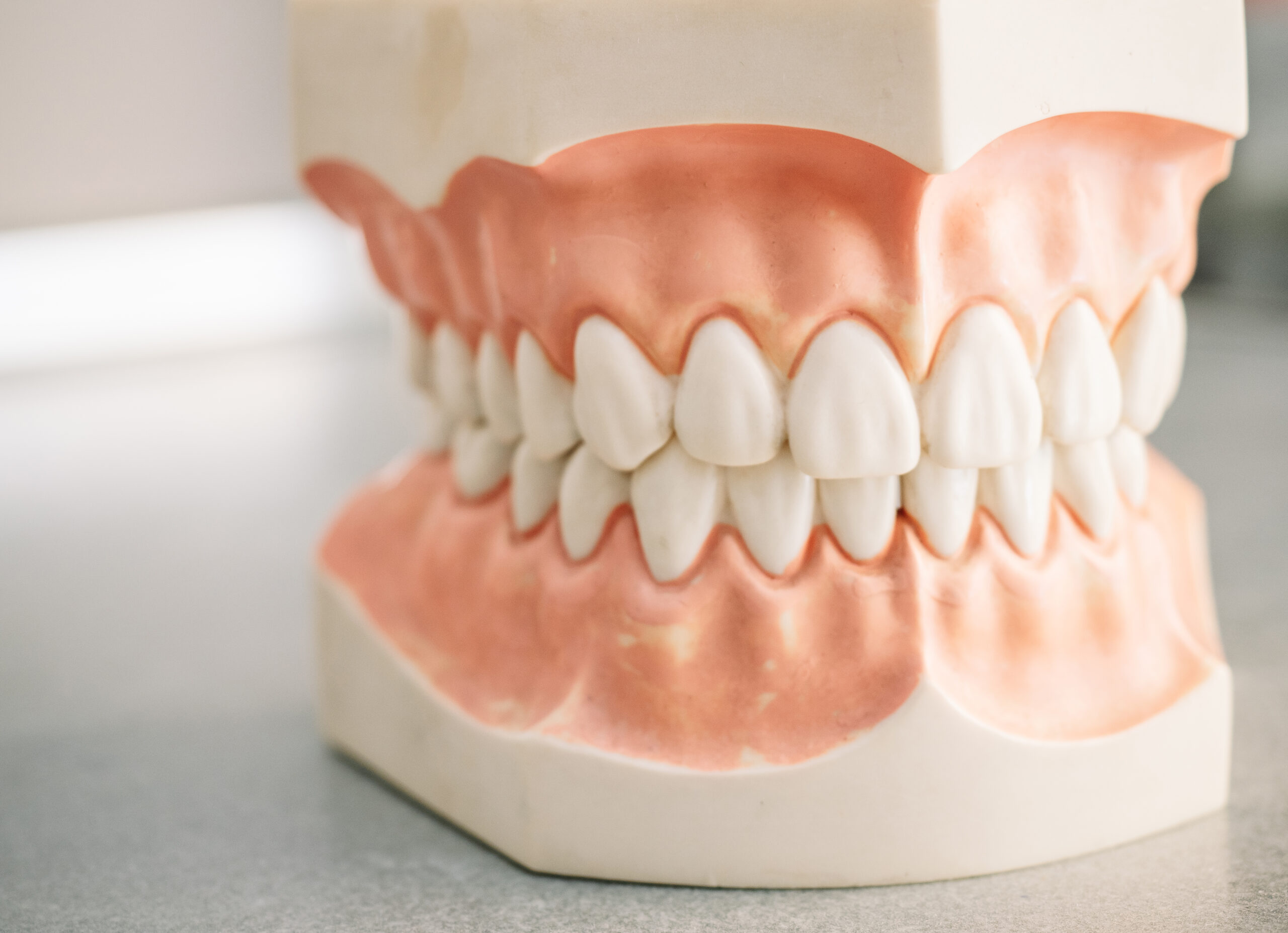
Not every issue means you need a brand-new set. Sometimes a reline or adjustment can solve the problem. But there are certain warning signs that suggest your dentures have run their course.
Your Dentures Feel Loose or Keep Slipping
This is the most common complaint. If you are using more adhesive than you used to, or your dentures shift when you talk or laugh, the fit has deteriorated. A loose denture causes friction against your gums that leads to sores and infections.
Your dentist may try a reline first, which reshapes the base to match your current gum contour. But if the denture has been relined multiple times, or the fit is significantly off, replacement dentures are usually the better long-term solution.
Visible Cracks, Chips, or Worn-Down Teeth
Take your dentures out and look at them under bright light. Hairline cracks along the base? Acrylic teeth worn flat from years of chewing? Even minor cracks can harbour bacteria that no amount of cleaning will remove.
Small chips can sometimes be addressed with professional denture replacement, but extensive damage – multiple cracks, broken clasps, or teeth that no longer meet properly – usually means it is time for a new set.
You Are Experiencing Mouth Sores or Gum Irritation
Persistent sore spots, redness, or swelling in your gums can mean your dentures are no longer sitting where they should. When they shift or press unevenly, they create pressure points that irritate the soft tissue underneath.
If recurring sores keep coming back in the same spot, do not just power through it. That is your mouth telling you something is wrong with the fit. A visit to your dentist can determine whether you need a simple adjustment or replacement teeth for dentures that have outlived their usefulness.
Chewing Has Become Difficult or Painful
Your dentures should let you eat comfortably – not make mealtimes something you dread. If you have started avoiding certain foods because chewing feels unstable, or if biting down causes pain, that is a clear signal.
Worn-down denture teeth lose their ability to grind food effectively. This does not just affect your comfort – poor chewing can lead to digestive issues because food is not broken down properly before swallowing. If your dentures are making it hard to eat a balanced diet, that alone is reason enough to get them replaced.
Your Dentures Have Changed Colour or Smell
Denture materials are porous, and over the years they absorb stains, odours, and bacteria. If your dentures have developed a persistent smell even after thorough cleaning, or they have turned noticeably yellow or grey, the material itself may be breaking down.
Bacteria trapped deep within the acrylic can contribute to oral infections, bad breath, and fungal conditions like oral thrush. When cleaning no longer makes a visible difference, that is a strong indication the material is past its prime.
How to Store Dentures to Make Them Last Longer
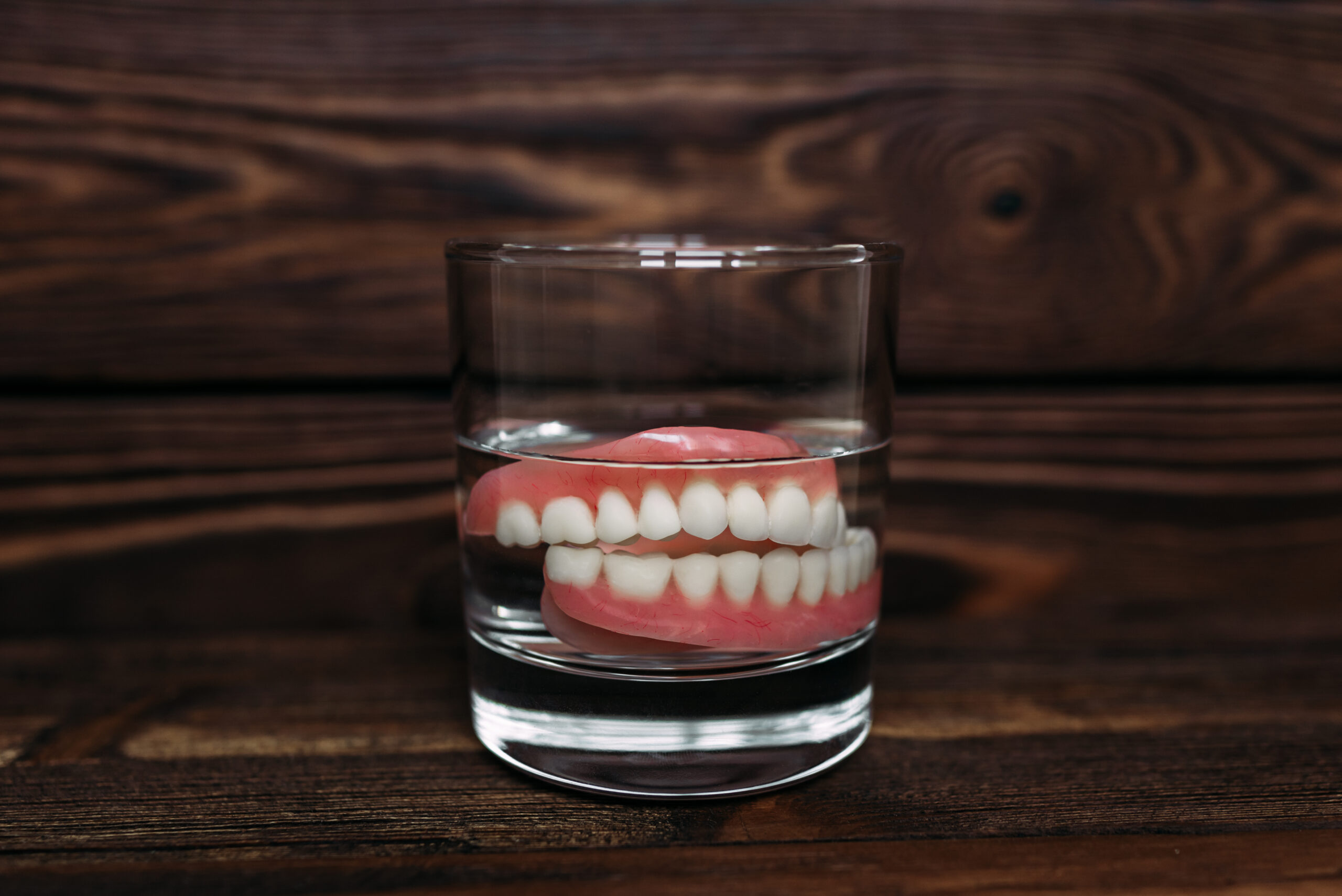
When you take your dentures out at night – and you should be taking them out to give your gums a chance to rest – store them in a container of clean water or a denture-soaking solution. Dentures are designed to stay moist. If they dry out, the acrylic can warp or become brittle, and once that happens, the fit is permanently affected.
Avoid hot water, as it can cause the denture base to distort. And never wrap your dentures in a tissue or napkin – that is a one-way ticket to accidentally throwing them away. A dedicated denture case kept in the same spot every night is the simplest habit that will save you the most hassle.
What Are Your Replacement Options?
When the time comes for a new set, you have more choices than you might think. Traditional acrylic dentures remain the most affordable option and work well for many patients. Flexible dentures offer a lighter, more adaptable fit for those who prioritise comfort. Cobalt chromium dentures provide a stronger framework for long-term durability. You can explore all of these during a denture treatment consultation in Kepong.
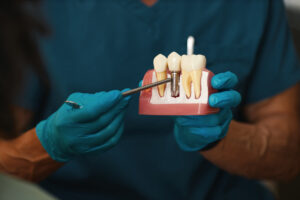
For a more permanent solution, dental implants in Kepong are worth considering. Implant-supported dentures anchor to titanium posts in your jawbone, so they do not slip, do not need adhesive, and help prevent the bone loss that causes conventional dentures to lose their fit over time.