The best way to clean a dental crown is to brush twice a day with fluoride toothpaste, floss carefully around the crown, and attend regular dental check-ups to prevent decay and gum disease around the natural tooth underneath. If you’ve recently received a crown and bridge treatment in Kepong, proper daily care is just as important as the procedure itself, helping your restoration stay strong, comfortable, and natural-looking for years.
Many people assume that once a crown is fitted, the tooth no longer needs much attention. After all, crowns are made from durable materials like porcelain or zirconia that don’t decay. While that’s true, the natural tooth supporting the crown still can. That’s why dental crown cleaning is one of the most important parts of maintaining your oral health.
Why Dental Crowns Still Need Daily Cleaning
A Crown Doesn’t Get Cavities, But the Tooth Underneath Can
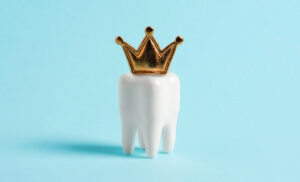
One of the biggest misconceptions about dental crowns is that they’re “maintenance-free.” In reality, the crown only covers the damaged tooth; it doesn’t replace it.
Plaque and bacteria can collect around the edge where the crown meets your natural tooth. If this area isn’t cleaned properly, decay can develop beneath the crown without being visible. By the time pain appears, the damage may already be extensive enough to require additional treatment.
This is why dentists focus not only on fitting a well-made crown but also on teaching patients how to keep the crown margins clean every day.
Healthy Gums Help Your Crown Last Longer
Your gums play an equally important role in supporting your dental crown. Inflamed or receding gums can expose the edge of the crown, making it easier for plaque to accumulate and increasing the risk of bad breath, sensitivity, and decay.
Maintaining healthy gums through good brushing, flossing, and professional cleaning helps create a stable foundation for your crown and significantly improves its lifespan.
How to Clean Dental Crowns Properly
Brush Gently but Thoroughly
Brushing your crown isn’t any different from brushing your natural teeth but technique matters.
Use a soft-bristled toothbrush with fluoride toothpaste, paying extra attention to the gumline where plaque naturally builds up. Spend a little longer cleaning around the edges of the crown rather than simply brushing across the surface.
Electric toothbrushes are also an excellent option because they provide consistent cleaning without requiring aggressive scrubbing, which can irritate your gums.
Don’t Skip Flossing
Many crown failures begin between the teeth rather than on the chewing surface.
Floss removes plaque from areas your toothbrush simply cannot reach. Carefully slide the floss alongside the crown and beneath the contact point instead of snapping it down forcefully.
Daily flossing keeps the gum tissue healthy and reduces the likelihood of decay developing beneath the crown.
Mouthwash Can Be a Helpful Addition
An antibacterial mouthwash won’t replace brushing or flossing, but it can help reduce bacteria around your crown, particularly if you’re prone to gum inflammation.
Some patients also benefit from water flossers, especially if they have multiple crowns, bridges, or difficulty using traditional floss.
Dental Crown Maintenance Tips That Help Crowns Last Longer
Your Everyday Habits Matter More Than You Think
Good dental crown maintenance isn’t just about cleaning.
Chewing ice, biting fingernails, opening packaging with your teeth, or constantly chewing very hard foods can all shorten the lifespan of a crown. While modern crowns are extremely durable, they’re still restorations not indestructible replacements.
If you grind your teeth at night, your dentist may recommend a custom night guard to protect both your crowns and your natural teeth from excessive pressure.
Regular Dental Check-ups Catch Problems Early
Even if your crown feels perfectly fine, routine dental examinations remain essential.
Your dentist can identify early signs of leakage, gum recession, worn cement, or hidden decay before they become larger problems. Regular scaling and polishing treatments also remove hardened plaque that cannot be cleaned away at home, helping maintain both your crown and surrounding gum tissue.