Losing a tooth changes more than your smile. You start chewing on the other side without thinking. You notice the gap in photos. After a while, the teeth next to the space can begin to tilt into it.
A dental bridge is one of the most common ways to fill that gap. But there isn’t just one kind, and the right choice depends on where the tooth is missing, the health of your other teeth and what you want long term.
Below, we walk through the four main types of dental bridges, how each one works, who it tends to suit, and what to weigh up before you decide.
What Is a Dental Bridge?
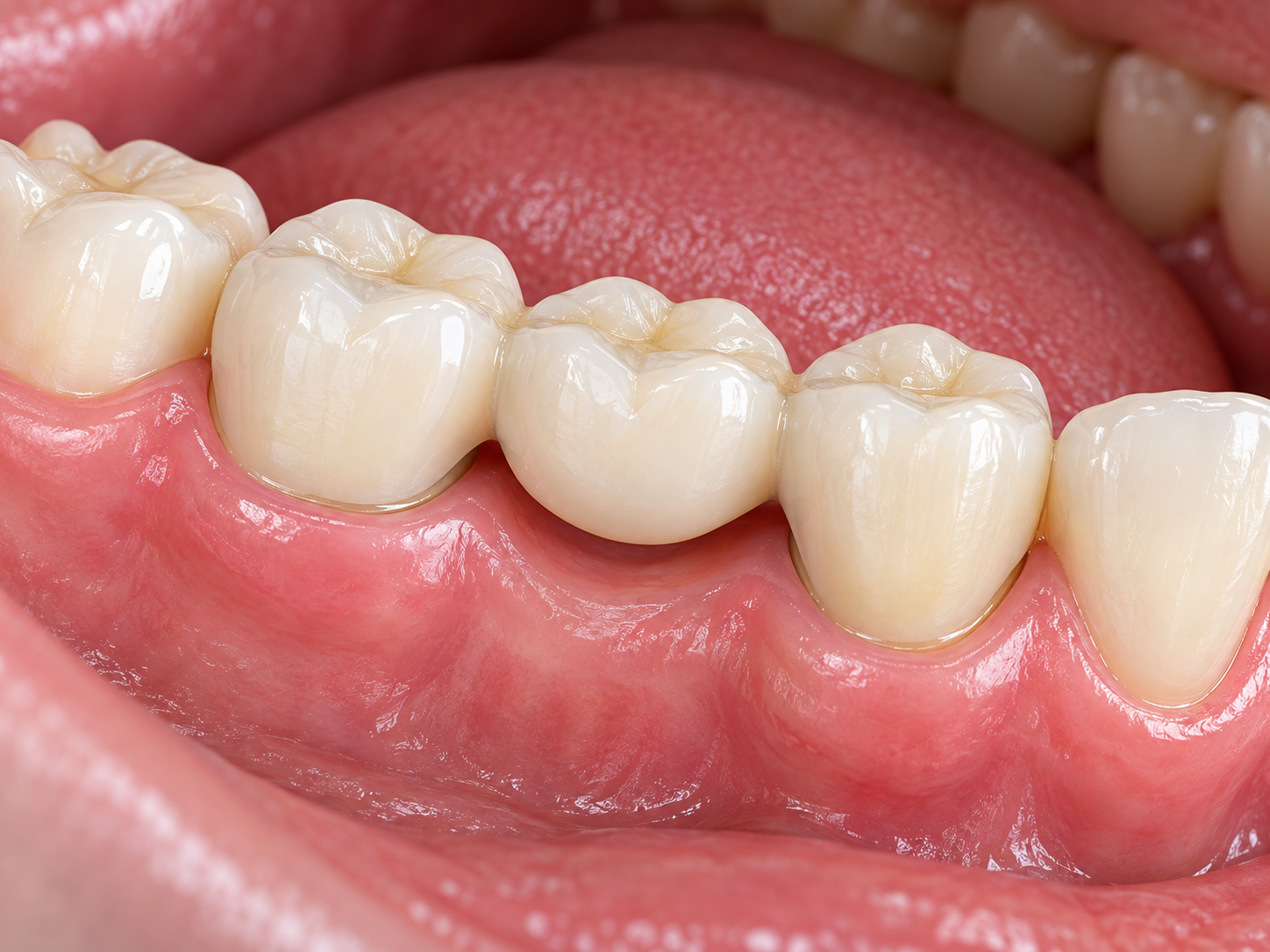
A dental bridge is a fixed replacement for one or more missing teeth. It uses a false tooth, called a pontic, which is held in place by the natural teeth on either side of the gap or by dental implants. Unlike a denture, a bridge stays in your mouth and isn’t removed for cleaning.
Filling a gap does more than restore your smile. When a space is left open, nearby teeth can drift, your bite can shift, and the bone underneath slowly shrinks. Chewing on one side for years puts extra load on those teeth too.
Types of Dental Bridges at a Glance
Type | How it’s held in place | Best suited to | Tooth preparation |
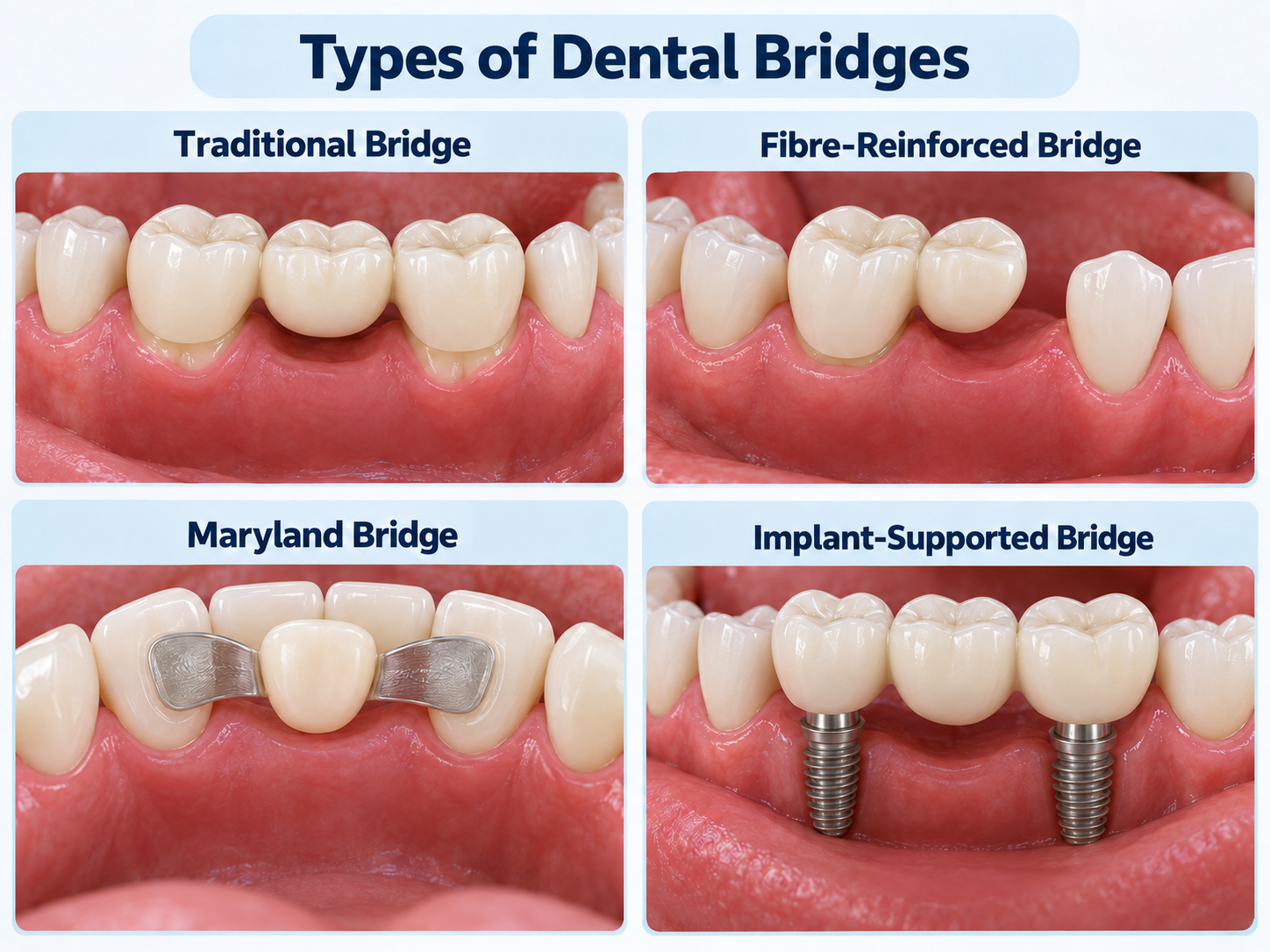
Traditional | Crowns on the teeth on both sides of the gap | Back or front teeth, strong biting areas | Moderate to significant |
Fibre-reinforced | Fibre strip bonded to neighbouring teeth | Short spans, interim or minimal-drilling cases | Minimal |
Maryland | Wings bonded to the back of neighbouring teeth | Front teeth with light bite forces | Minimal |
Implant-supported | Dental implants placed in the jawbone | Several missing teeth in a row | None on natural teeth |
Traditional Dental Bridge
The traditional bridge, also called a conventional bridge, is the one most people picture. It has been used for decades, and it’s still the go-to option in many cases.
How it works
Your dentist shapes the teeth on both sides of the gap so they can be fitted with crowns. The false tooth sits between those two crowns, and the whole piece is cemented in place as one unit.
Who it suits
It works well for back teeth, where you need a bridge that can handle heavy chewing. It’s also a sensible option if the neighbouring teeth already have large fillings or could use crowns anyway.
Pros and cons
Traditional bridges are strong and, with good care, can last many years. The main downside is that healthy enamel has to be removed from the supporting teeth, and that can’t be undone.
The cantilever bridge
A cantilever bridge is a variation where the false tooth is anchored on one side only. It’s used when there’s just one healthy tooth next to the gap.
Because the load rests on a single tooth, it’s usually kept for areas with lighter bite forces, such as the front of the mouth. That extra pressure on one tooth is also why your dentist will check its strength carefully before recommending this option.
Fibre-Reinforced Bridge
This is a more conservative option that doesn’t get talked about as much, though it can be very useful in the right situation.
How it works
A strip of fibre, often made from glass or polyethylene, is bonded to the teeth next to the gap. A tooth-coloured composite resin is then built over it to form the false tooth. In many cases, it can be done in a single visit.
Who it suits
It’s a good fit for replacing a single tooth over a short span, especially if you’d rather avoid drilling into healthy teeth. Some patients also use it as a temporary solution while waiting for an implant or deciding on longer-term treatment.
What to keep in mind
It’s gentle on your teeth and usually more affordable than a crown-based bridge. On the other hand, composite resin isn’t as strong as porcelain or metal, so it may chip, stain or need repairs sooner.
Maryland Bridge
The Maryland bridge is sometimes called a resin-bonded bridge. It’s popular for front teeth, where appearance matters and bite forces are lighter.
How it works
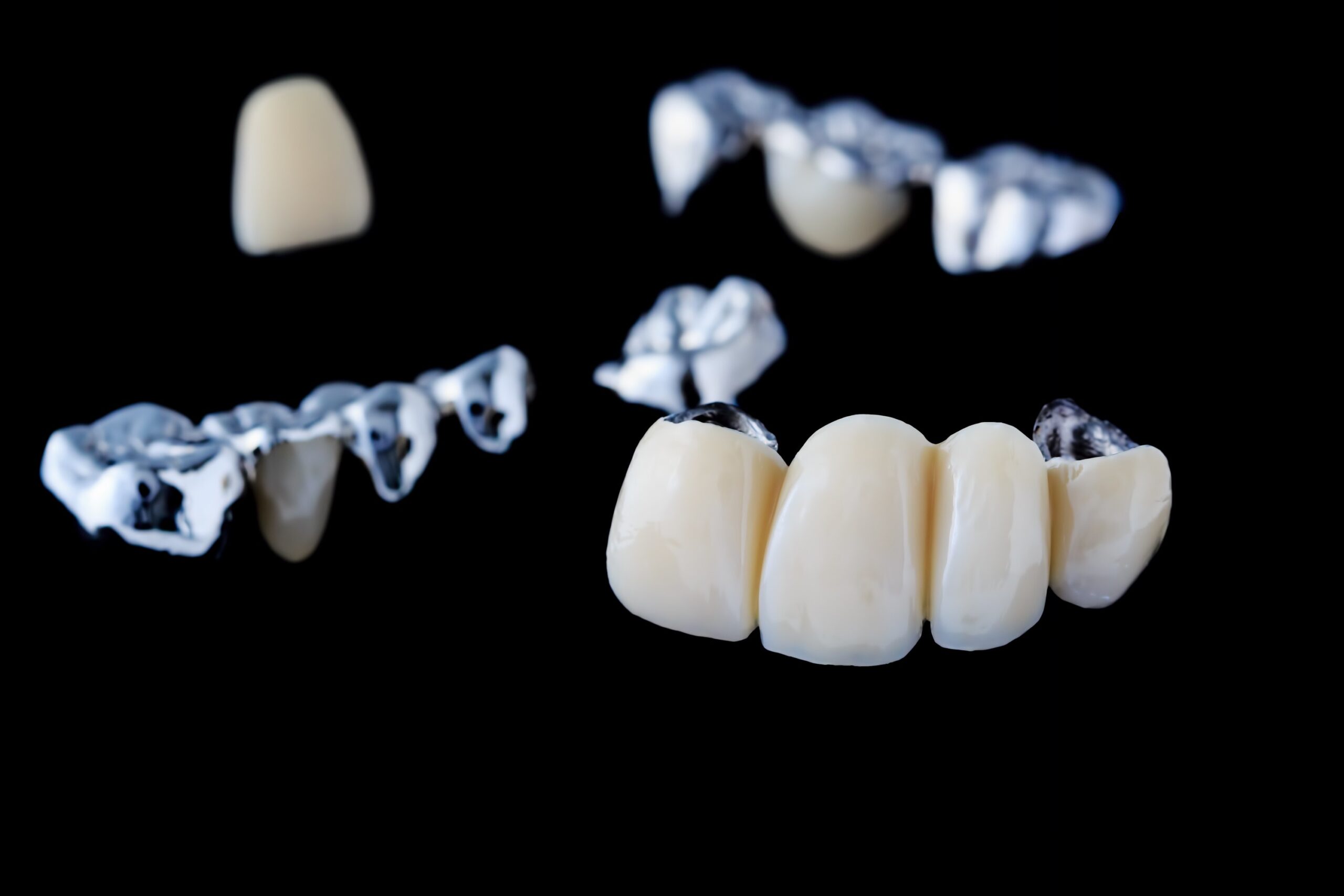
Instead of crowns, the false tooth has small wings made of metal or ceramic. These are bonded to the back of the neighbouring teeth, so they can’t be seen from the front.
Who it suits
It’s often recommended for a single missing front tooth, particularly in younger patients whose teeth are healthy and unfilled. It’s less suitable for back teeth or for people who grind their teeth.
Benefits and drawbacks
Very little tooth structure is removed, which is the biggest advantage. The weak point is the bond itself. If it lets go, the bridge can come loose, though it can often be re-bonded.
That’s why it’s best kept for areas that don’t take heavy chewing. With the right case and good care, it can still be a reliable, natural-looking option.
Implant-Supported Bridge
When several teeth are missing in a row, an implant-supported bridge is often the most stable choice.
How it works
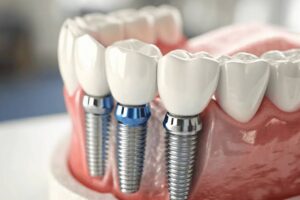
Dental implants, which are small titanium posts, are placed in the jawbone. Once they’ve healed and fused with the bone, a bridge is fixed on top. Your natural teeth aren’t involved at all.
Who it suits
It suits people missing three or more teeth next to each other, or those who don’t have healthy teeth on either side of the gap. You’ll need enough bone to hold the implants, and good general health for the minor surgery involved.
Is it worth it?
It feels and functions closest to natural teeth, and it helps preserve the bone underneath. The catch is time and cost. Treatment usually takes a few months from start to finish, and it’s generally the most expensive of the four options.
Dental Bridge Pros and Cons: How to Choose the Right Type
There’s no single best bridge. The right one depends on a few practical things.
Location matters first. Front teeth can often be handled with a Maryland or fibre-reinforced bridge, while back teeth need something that can take more pressure.
Your neighbouring teeth matter too. If they’re healthy and untouched, you might want to avoid shaving them down for crowns. If they’re already heavily filled, crowning them could actually protect them.
Then there’s budget, timing and how long you want the result to last. It’s worth asking your dentist about all of this openly. A good Kepong dentist will explain your options based on an examination and X-rays, rather than pushing one type for everyone.
Caring for Your Dental Bridge
A bridge can’t get cavities, but the teeth holding it can. Food and plaque tend to collect under the false tooth, so brushing alone isn’t enough.
Use a floss threader, a water flosser or small interdental brushes to clean underneath each day. Keep up with regular checkups and cleanings so your dentist can check the bridge and the teeth around it.
With good care, a bridge can serve you well for many years. Try not to use your front teeth to open packets or bite down on very hard food like ice.