You had a tooth pulled on Monday, and by Tuesday the soreness was already easing. Then on Thursday the pain comes roaring back. It throbs, it creeps up towards your ear, and the painkillers on your bedside table barely take the edge off.
The culprit is often dry socket, one of the most common complications after a tooth extraction. The good news is that it is treatable, and knowing how to prevent dry socket after tooth extraction can lower your risk considerably.
This article covers the warning signs, the risk factors, prevention and treatment, plus when to call your dentist.
What Is a Dry Socket?
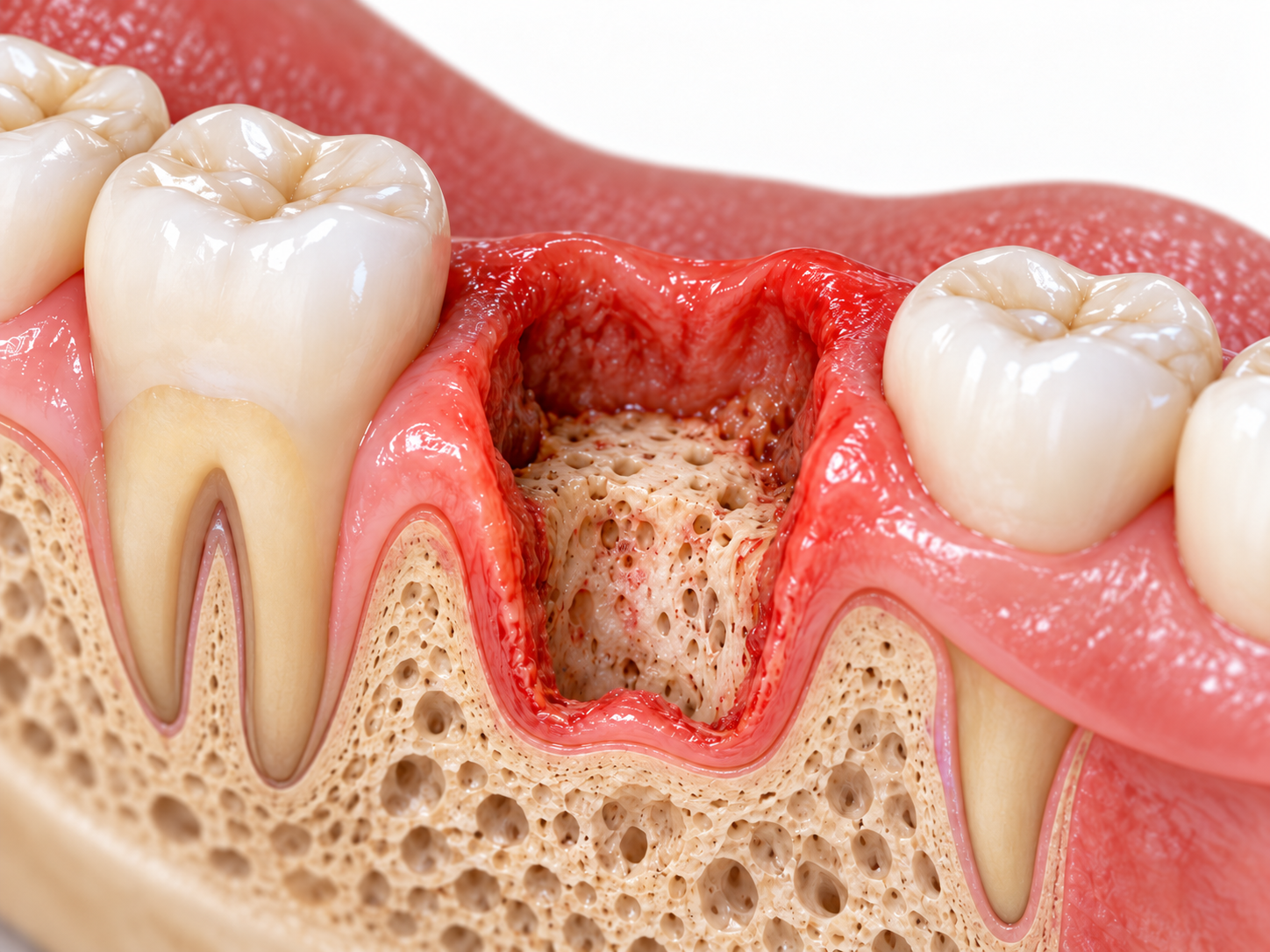
Dry socket, known medically as alveolar osteitis, happens when the blood clot in a tooth extraction site is dislodged or fails to form properly. Without the clot, the bone and nerve endings underneath are left exposed. The result is a deep, throbbing pain that usually starts a few days after the extraction.
To understand why this hurts so much, it helps to know what normally happens after a tooth is removed. A blood clot forms in the empty socket almost immediately. Think of it as a natural plaster that protects the bone while new gum tissue slowly grows over it.
When that clot is lost too early, food, bacteria and even air can reach the sensitive bone. Healing slows down, and the area becomes inflamed and painful.
Dry Socket Symptoms: How Do You Know If You Have Dry Socket?
Some pain and swelling after an extraction is completely normal. What sets dry socket apart is the timing of the pain and the way it behaves.
Pain that gets worse instead of better
Normal extraction pain is usually at its worst in the first day or two, then settles gradually. Dry socket pain tends to appear or intensify around day two to four. If you are improving and then suddenly feel worse, take note.
Pain that spreads beyond the socket
Dry socket pain rarely stays in one spot. It often radiates to the ear, eye, temple or neck on the same side of the face. Many patients describe it as a toothache that has taken over half their head.
Changes you can see, smell or taste
A healthy socket usually holds a dark red clot. A dry socket may look empty, or you might spot a whitish or greyish surface, which can be exposed bone. A persistent bad taste or bad breath that lingers after gentle rinsing is another common sign.
What Causes Dry Socket? Common Risk Factors
Dry socket can happen to anyone, even after a smooth and simple extraction. That said, certain factors raise the odds. Knowing where you stand helps you and your dentist plan ahead and take extra care where it matters.
Smoking and vaping
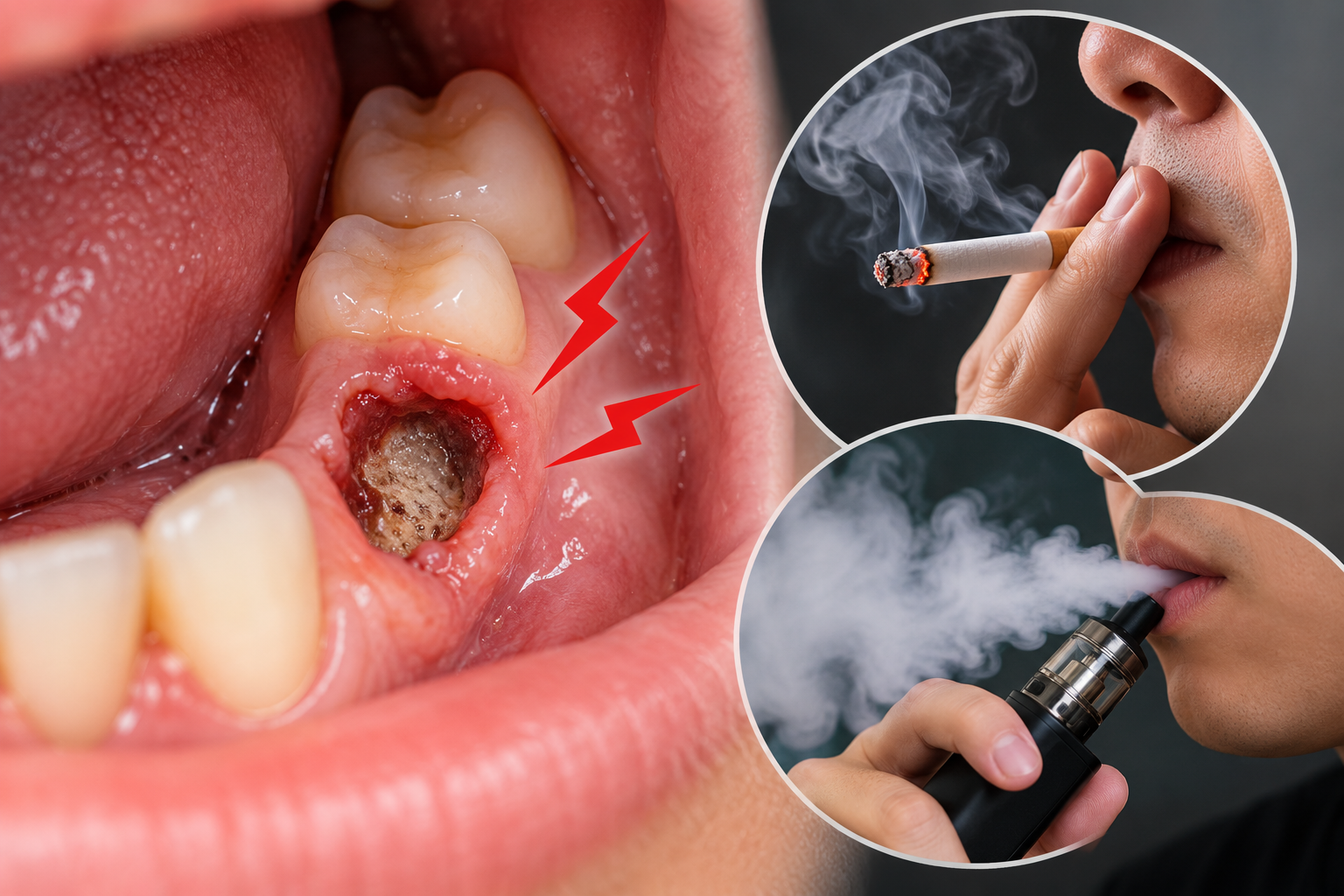
Smoking is one of the strongest risk factors. The sucking motion of drawing on a cigarette or vape can pull the clot loose from the socket. At the same time, chemicals in tobacco reduce blood flow to the gums and slow down healing.
Difficult or surgical extractions
Not all extractions are the same. Extractions that take longer or involve removing bone, such as impacted wisdom teeth, cause more trauma to the surrounding area.
That extra disruption can affect how well the clot forms and stays in place. This is one reason lower wisdom teeth, which are often harder to remove, are a common site for dry socket.
Hormones, hygiene and history
Women taking oral contraceptives may face a higher risk, as oestrogen can influence how blood clots form and break down. If this applies to you, let your dentist know when planning the extraction.
Oral health plays a part too. Existing gum disease or an infected tooth can introduce bacteria that interfere with healing around the socket. Finally, if you have had dry socket before, you may be more prone to it again. Mention this at your appointment so your dentist can take extra precautions.
How to Prevent Dry Socket After Tooth Extraction
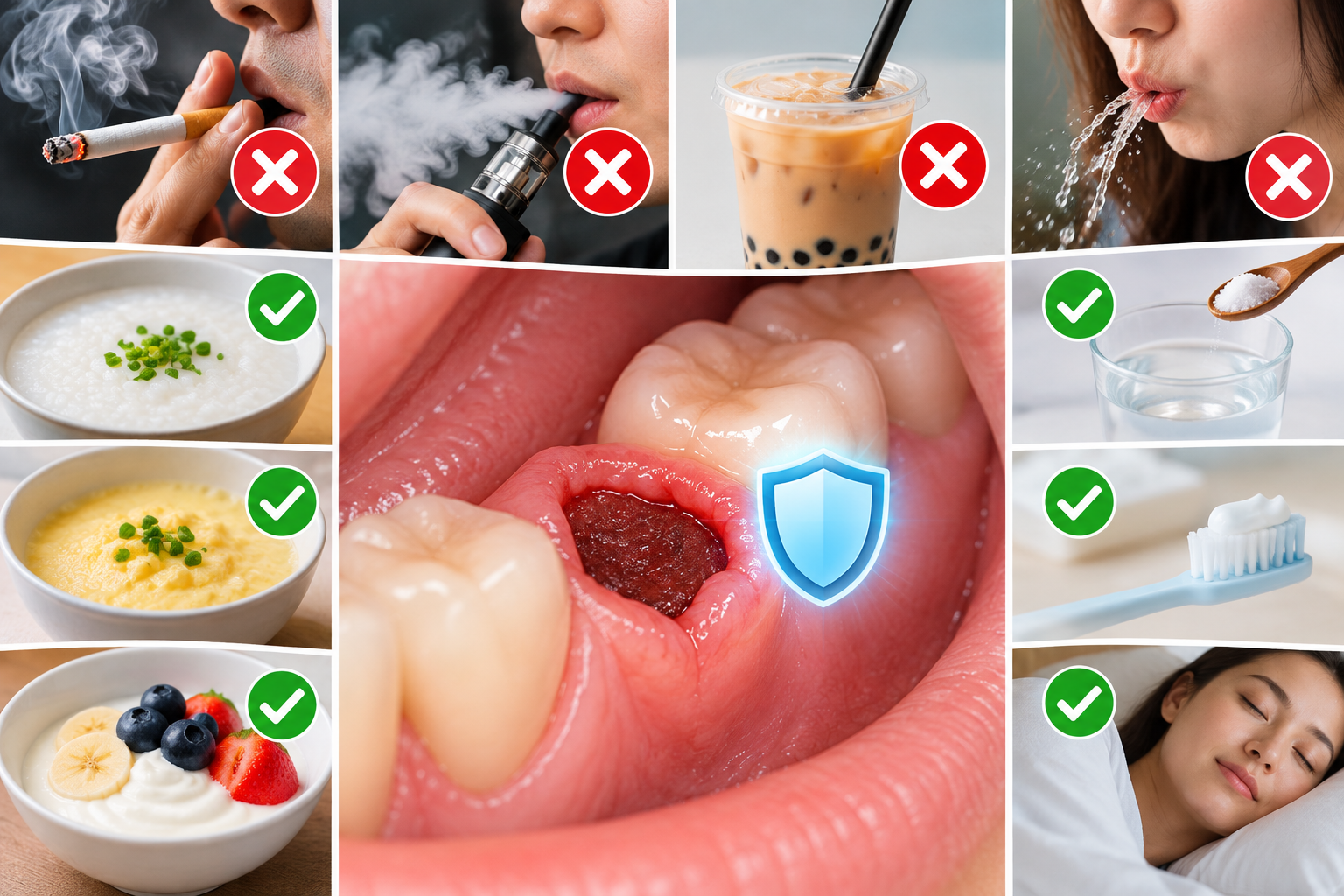
You cannot control every risk factor, but most prevention comes down to one simple goal. Protect that blood clot, especially during the first 72 hours when it is most fragile. The habits below can go a long way in keeping your recovery on track.
Talk to your dentist before the extraction
Prevention starts before you even sit in the dental chair. Be upfront about smoking, vaping, medications and any past dry socket, even if it feels minor.
This information helps your dentist plan your procedure and aftercare more carefully. In some cases, they may recommend an antiseptic rinse or gel around the time of the extraction.
Avoid suction and pressure on the socket
Skip straws, forceful spitting and vigorous rinsing for the first few days. The suction and pressure these create can easily pull the clot out of the socket.
Yes, that means your teh ais or bubble tea will have to be sipped straight from the cup for a while. Try not to poke at the area with your tongue or fingers either, however tempting it may be.
How to avoid dry socket if you smoke or vape
The best option is to stop smoking and vaping for as long as you can before and after the extraction. Even a short break gives the clot a better chance to settle.
If quitting completely is not realistic, ask your dentist how long you should hold off. Many dentists advise waiting at least 48 to 72 hours. Nicotine patches may be a gentler option in the meantime, but check with your dentist first.
Eat soft food and chew on the other side
Stick to soft, lukewarm meals like porridge, steamed egg, tofu or yoghurt for the first few days. Avoid anything hard, crunchy, very hot or very spicy, as these can irritate the area.
Rice grains, nuts and biscuit crumbs can lodge in the socket, so eat slowly. Chew on the side away from the extraction site until it feels comfortable again.
Keep the area clean without disturbing it
Good hygiene lowers the risk of infection, but the socket needs a gentle touch. Brush your other teeth as usual and steer clear of the extraction site at first.
After 24 hours, your dentist may suggest gentle warm salt water rinses. Tilt your head and let the water fall out of your mouth rather than spitting it out.
Dry Socket Treatment: What Your Dentist Will Do
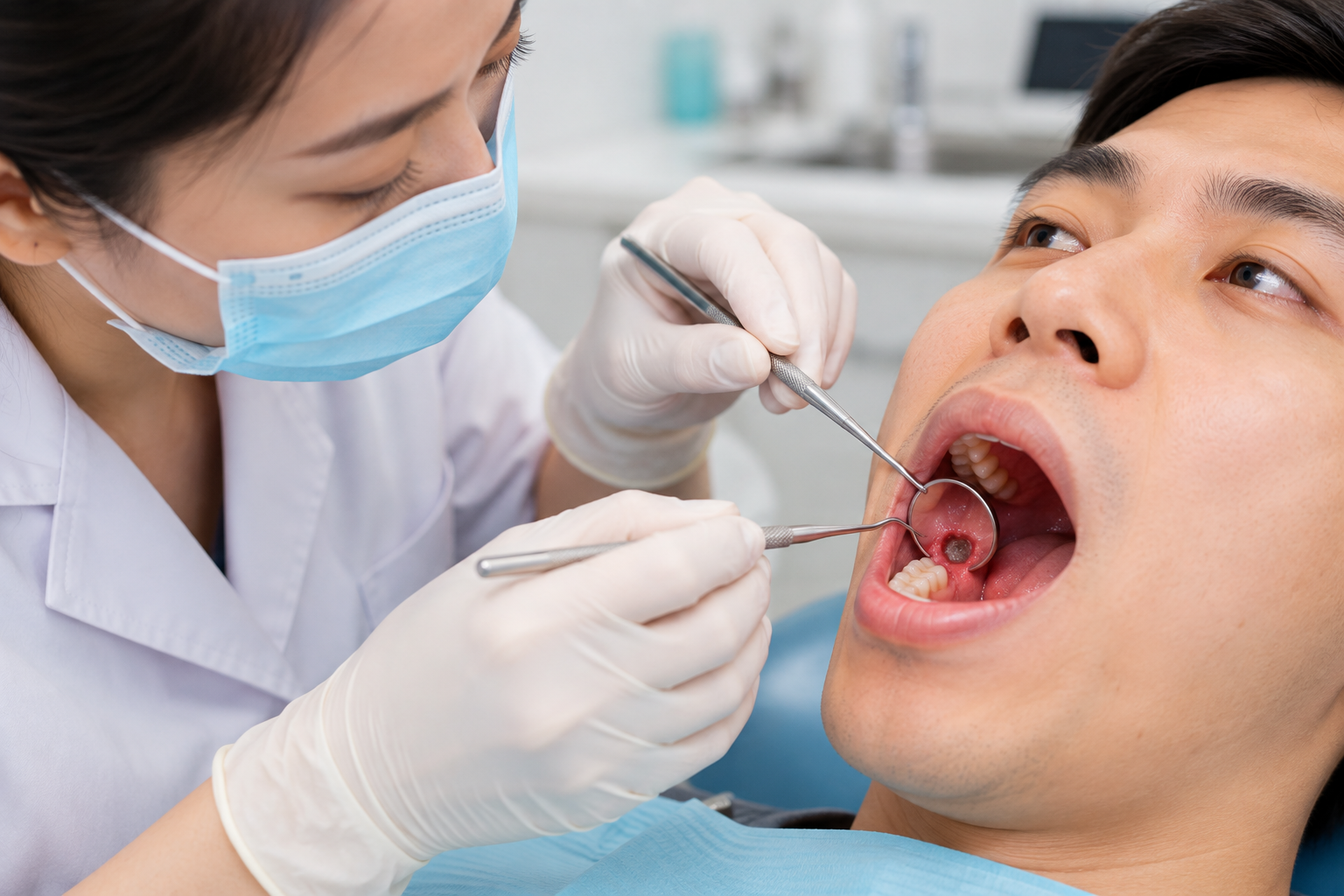
Dry socket generally does not improve with home remedies alone, so a dental visit is the best next step. The good news is that treatment is usually quick and straightforward.
Your dentist will first flush the socket gently to clear away trapped food and debris. A medicated dressing is then often placed inside to cover the exposed bone and soothe the area. Many patients notice relief soon after, though the dressing may need to be changed over the next few days.
You may also be advised on suitable painkillers and how to keep the area clean at home. With proper care, most people feel better within a few days, though healing time varies from person to person.
When to Call Your Dentist
It is always better to get checked than to wait it out. Call your dentist if the pain worsens a few days after your extraction, painkillers are not helping, or you notice an empty-looking socket or a lingering bad taste.
Seek help promptly if you develop a fever, increasing swelling, pus, difficulty swallowing or bleeding that will not stop. These signs could point to an infection that needs attention.
For those living or working nearby, a Kepong dentist can assess the socket quickly and get the pain under control before it drags on.