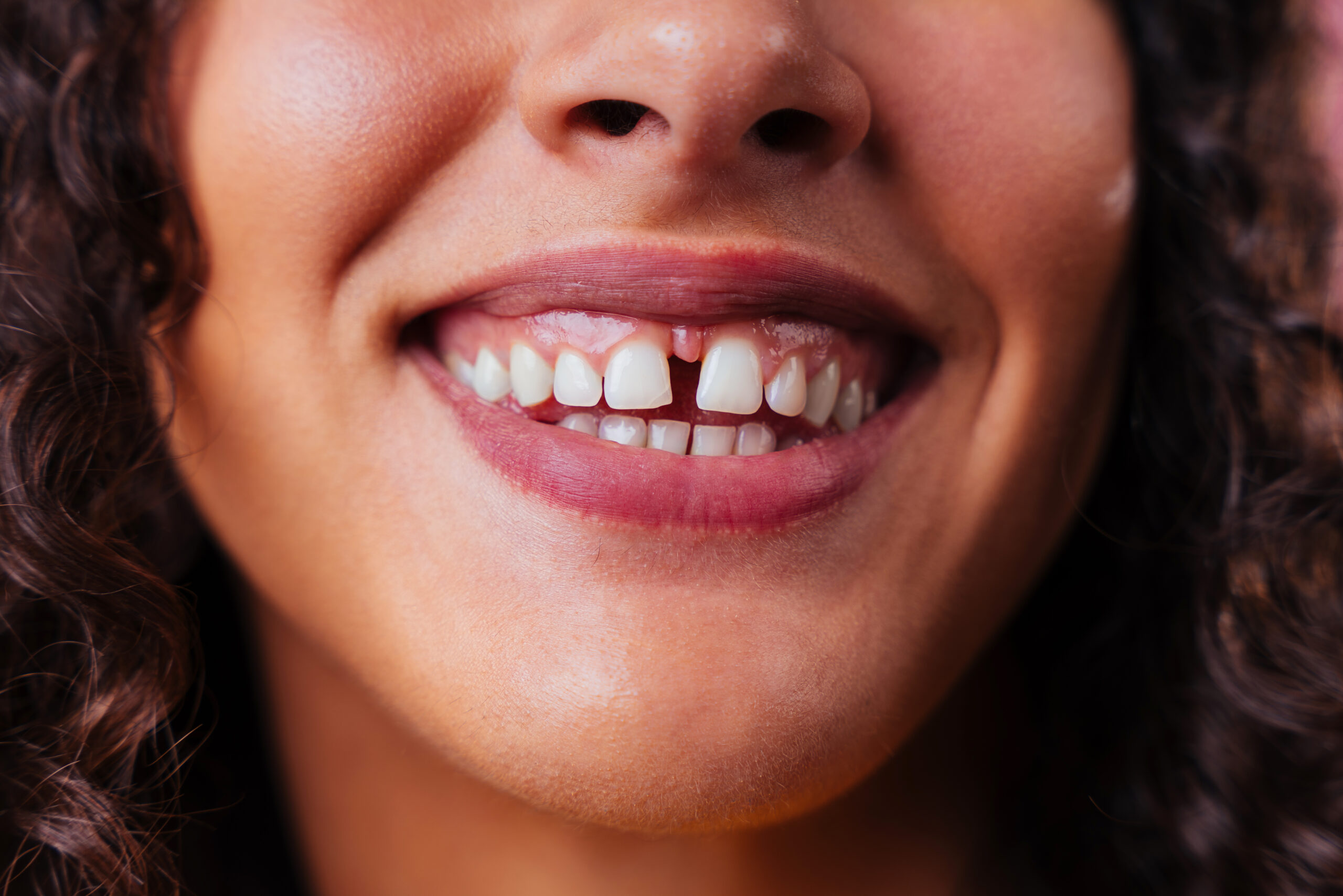
A tooth gap forms when there is a mismatch between the size of the jaw and the size of the teeth, though it can also develop from habits, gum disease, or missing teeth. It is one of the most frequently asked-about concerns at our dental clinic in Kepong, and the question that usually follows is just as predictable: should I do something about it, or can I leave it alone?
That depends entirely on what is behind the gap. Some are harmless and purely cosmetic. Others are early signs of something that will get worse without treatment.
What Is a Tooth Gap and Why Is It So Common?
The Clinical Term Behind the Tooth Gap
In dentistry, a tooth gap is called a diastema. It refers to any visible space between two teeth, though it most commonly appears between the upper front incisors. A diastema can range from barely noticeable to several millimetres wide, and it can occur at any age – in children with developing teeth and in adults whose teeth have shifted over time.
Why Tooth Gaps Are More Common Than You Think
Diastema is far more prevalent than most people assume. In Malaysia, it is especially common to see patients walk in unsure whether their gap is a cosmetic issue, a health concern, or both. The reality is that the answer varies from person to person, and a proper clinical assessment is the only way to know for certain.
What Causes Gaps in Teeth?
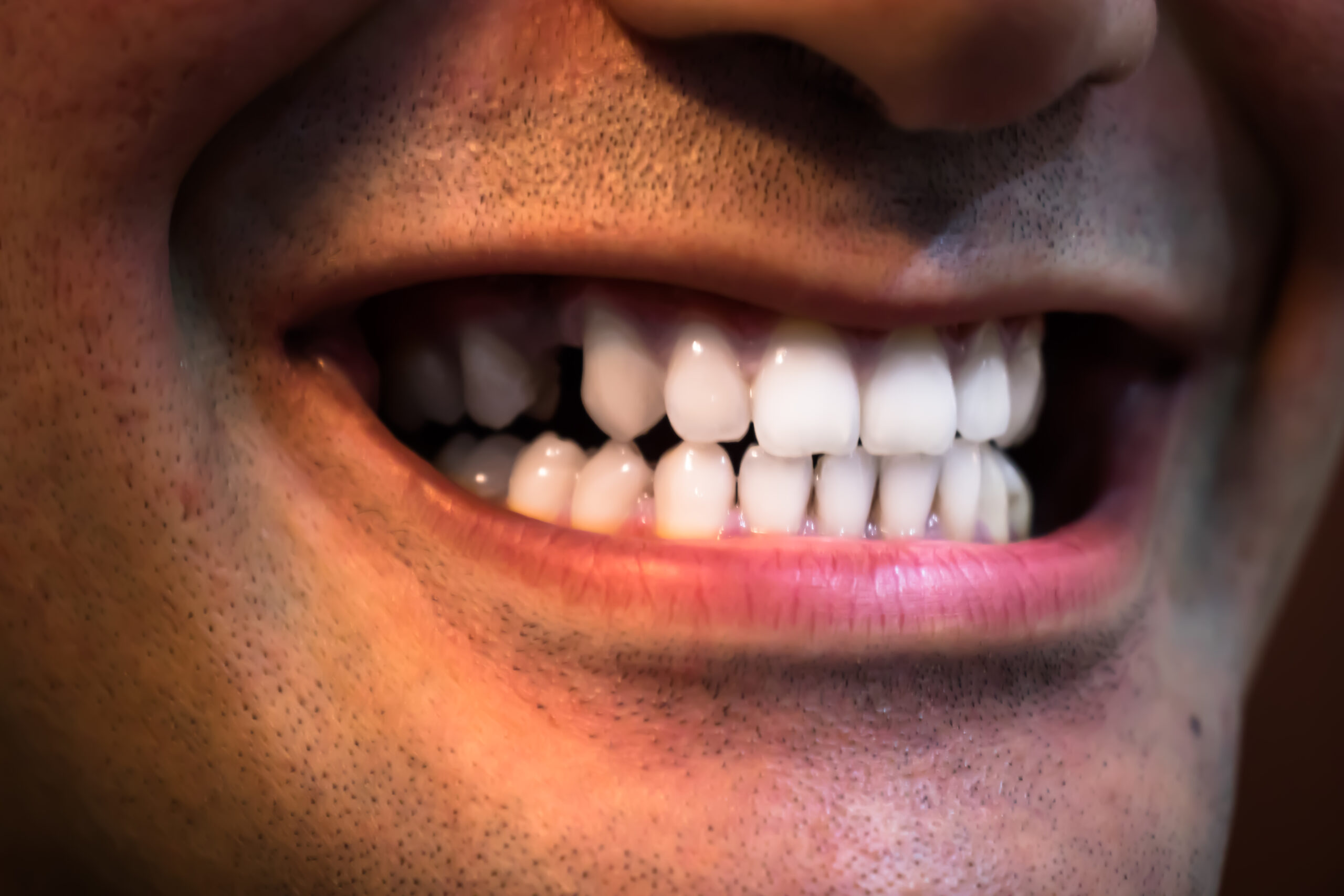
There is rarely a single cause. Most tooth gaps develop from a combination of factors, and identifying the right one is what determines the correct treatment path.
Genetics and Jaw-to-Tooth Size Mismatch
This is the most common cause of diastema. When the jawbone is wider or longer than the teeth can fill, spaces appear naturally. This tends to run in families, if one or both parents have a visible gap, their children are more likely to develop one too. A genetic tooth gap is not a sign of disease. It is simply a matter of proportion.
An Oversized Labial Frenum
The labial frenum is the small tissue fold connecting the upper lip to the gum above the front teeth. In some people, this tissue extends further down than usual and creates a physical barrier between the two central incisors. When the frenum is the clear cause, a minor procedure called a frenectomy can remove the obstruction before or alongside orthodontic correction.
Childhood Habits That Carried Into Adulthood
Thumb-sucking, prolonged pacifier use, and tongue-thrusting where the tongue pushes forward against the front teeth during swallowing can gradually move teeth out of alignment. The effects often go unnoticed until the adult teeth have fully come in. The good news is that habit-related gaps tend to respond well to orthodontic treatment once the habit itself has stopped.
Gum Disease and Bone Loss
This is the cause that carries the most clinical urgency. Periodontitis, the advanced stage of gum disease, destroys the bone and tissue that anchor teeth in place, causing them to shift and create gaps where none existed before.
What makes periodontitis-related gaps especially concerning is that they worsen progressively. Unlike a genetic diastema that stays the same size for years, these gaps will continue to widen unless the infection is brought under control first. Attempting to close the gap without treating the underlying disease would be like repainting a wall with a crumbling foundation.
Missing Teeth and the Drift Effect
When a tooth is lost whether from extraction, injury, or decay, the neighbouring teeth slowly drift toward the empty space. This movement can take months or even years, which is why many people never connect a gap they notice today with a tooth they lost long ago. It is also why dentists strongly recommend prompt replacement to prevent a chain reaction of shifting across the entire arch.
When Should You Actually Fix a Tooth Gap?
Gaps That Are Safe to Leave Alone
A stable diastema that has remained the same size for years, does not cause pain, and does not interfere with chewing or speech is generally harmless. If the gap is small, typically under 2mm and the surrounding teeth and gums are healthy, choosing not to treat it is a perfectly valid decision. In many cultures, a front tooth gap is even considered attractive.
Gaps That Need Professional Attention
A gap that has recently appeared or noticeably widened is a different story. In adults, new gaps almost always signal an underlying problem: gum disease, bone loss, or teeth shifting due to an untreated bite issue. You should also get assessed if food constantly gets trapped in the space, if your gums appear red or swollen, or if you notice recession around the gap. These are signs that the gap is a symptom, not just a cosmetic feature.
Teeth Gap Treatment – How Dentists Fix the Gap

The right way to fix a gap between teeth depends on how large it is, what caused it, and what result you are hoping for. Here is how the most common options compare.
Composite Bonding for Small Gaps
Dental bonding is the fastest and most affordable way to close a small tooth gap. Your dentist applies tooth-coloured composite resin directly onto the teeth flanking the gap, building them up to eliminate the space. The process takes under an hour, requires no anaesthesia, and preserves your natural tooth structure entirely. If you have been searching for tooth filling in Kepong, bonding uses a very similar material and technique adapted specifically for cosmetic gap closure.
Bonding is ideal for gaps under 2mm. The trade-off is longevity bonded resin can stain or chip over time and may need touch-ups every five to seven years.
Braces and Clear Aligners for Larger Gaps
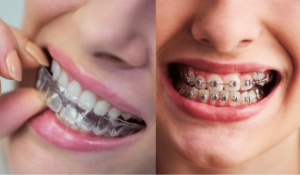
For bigger gaps or cases involving broader misalignment, orthodontic treatment remains the gold standard. Braces and clear aligners apply controlled, gradual pressure to shift teeth into their correct positions, closing gaps as part of a comprehensive realignment.
Traditional metal braces work best for complex cases. Clear aligners offer a more discreet option for mild to moderate spacing. Your dentist can assess which approach fits your case during a consultation for braces treatment in Kepong.
Orthodontic treatment typically takes 12 to 24 months, but it addresses the root cause of the gap rather than covering it up.
Porcelain Veneers for a Full Smile Makeover
Veneers are thin, custom-made porcelain shells bonded to the front surface of your teeth. They can close gaps, correct minor misalignment, and improve tooth shape and colour all at once – making them popular with patients who want to fix multiple cosmetic concerns in a single treatment.
The process takes two visits. At the first, a small amount of enamel is removed and impressions are taken. At the second, the veneers are bonded permanently. They are an excellent teeth gap filling option for moderate gaps and last 10 to 15 years with proper care.
Dental Implants When a Tooth Is Missing
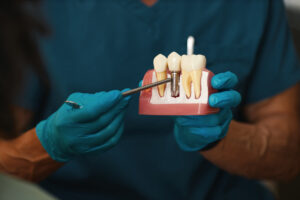
When the gap exists because a tooth is genuinely absent – not just spaced apart – a dental implant is the most effective long-term solution. The procedure involves placing a titanium post into the jawbone, which acts as an artificial root, followed by a crown that restores the visible tooth. It is the most invasive option, but the only one that truly replaces what was lost and prevents neighbouring teeth from drifting.