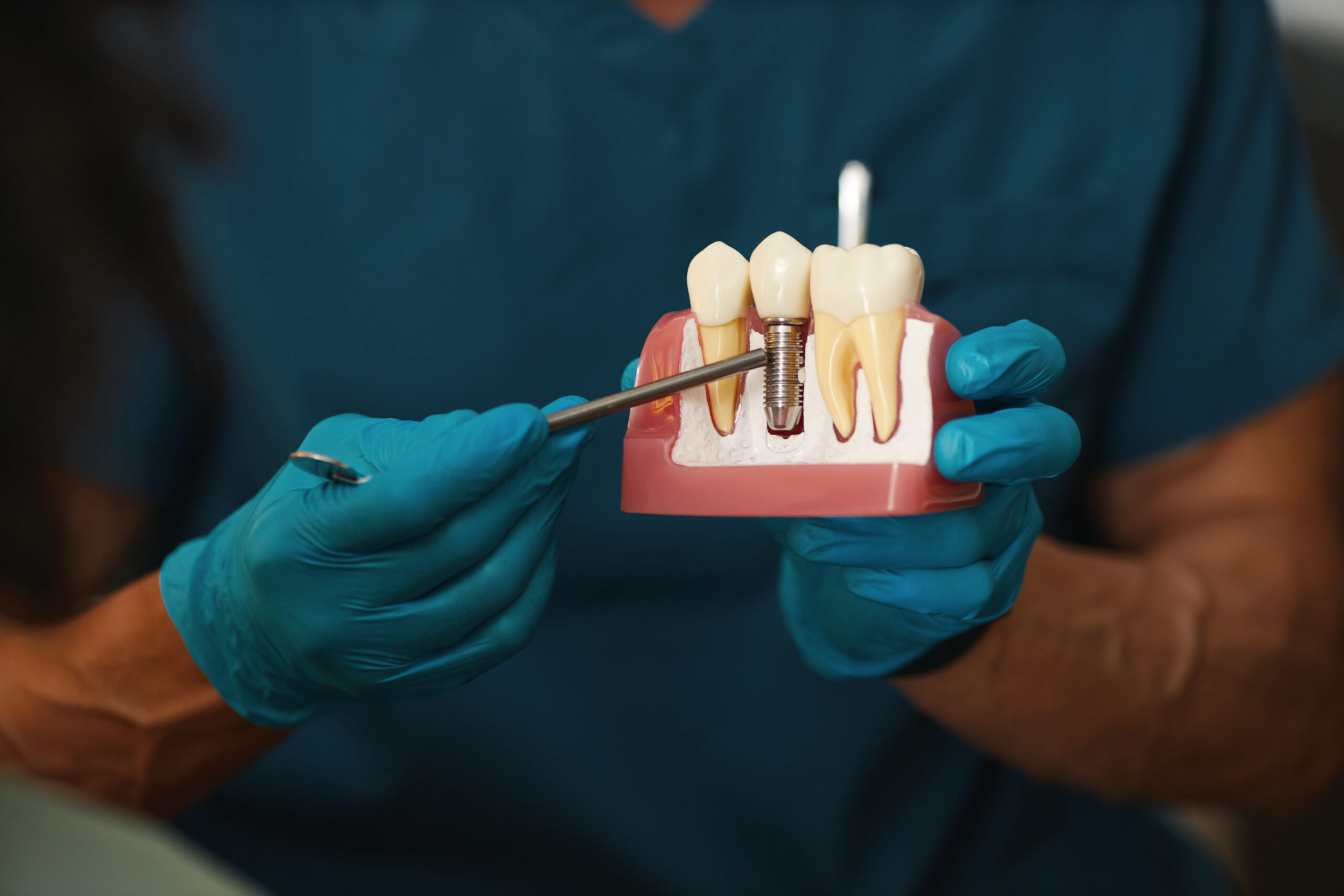
Most people rate dental implant surgery at around a 2 or 3 out of 10 for pain, consistently lower than a difficult wisdom tooth extraction. That surprises almost everyone. The mental image of a titanium screw going into your jawbone is genuinely terrifying, and it’s the single biggest reason Malaysians delay treatment for years. But the gap between what people imagine and what they report afterwards is enormous. If you’ve been putting off getting dental implants in Kepong because you’re scared of the pain, here’s the honest version, including the part most articles skip.
So, Does Getting a Dental Implant Hurt?
What You Actually Feel During Surgery
During placement itself, you should feel nothing sharp. The area is fully numbed, and modern dentistry is very good at numbing the jawbone. What you’ll notice is sensation of a different kind. You’ll hear things. There’s a drilling sound that travels through your skull bone rather than the air, which is why it feels louder to you than it is in the room. Patients describe it as unsettling rather than painful, and that’s fair.
A single implant typically takes 30 to 60 minutes. Many patients report the most uncomfortable part was keeping their mouth open that long, which tells you a lot about where the actual discomfort sits.
Why the Pressure Is Not the Same as Pain
Local anaesthetic blocks pain fibres extremely well. It does not block pressure receptors nearly as effectively. So you’ll feel pushing, and a distinct sensation of something happening. Your nervous system, which has never encountered this before, tries to interpret it. Some people’s brains file it under “pain” purely because there’s no other category available.
This matters, because patients who understand it beforehand consistently report a better experience. Go in knowing pressure is coming and that pressure is normal, and you stop bracing for pain that never arrives. If you have real dental anxiety, say so rather than assuming sedation isn’t an option, a clinic that takes it seriously will talk you through what’s available.
The Part Nobody Warns You About: Bone Grafting and Sinus Lifts
If you lost a tooth and waited, your jawbone has been shrinking. Bone needs stimulation from a tooth root to maintain itself, and without it, bone resorbs. If there isn’t enough left to hold an implant securely, you’ll need bone grafting first. In the upper back jaw, where the sinus sits close to the roots, you may need a sinus lift.
Here’s why that matters for pain. The implant goes into bone, which has relatively few pain receptors. Grafting and sinus lifts involve far more soft tissue manipulation, larger flap elevation, and more swelling. Patients who need grafting typically report noticeably more post-operative discomfort, and it lasts longer.
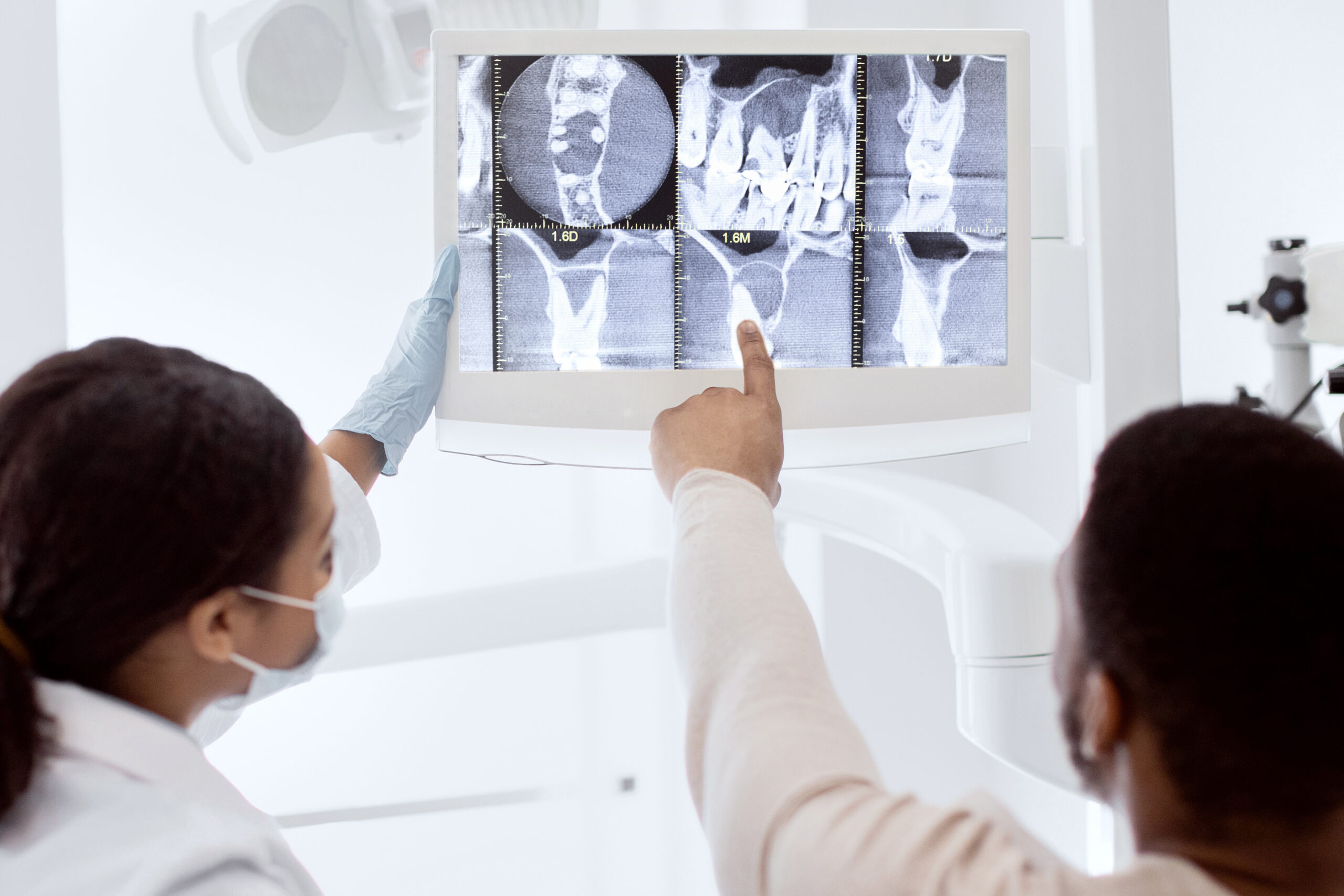
So when one person says “my implant didn’t hurt at all” and another says “it was rough for a week,” both may be telling the truth. They had different procedures. Your odds go up the longer the gap has been empty, if it’s an upper back molar, or if you have a history of gum disease. This is precisely why a proper CBCT scan before you agree to anything isn’t upselling. It’s the best predictor of how your recovery will actually feel.
What Recovery Actually Feels Like, Day by Day
The First 48 Hours
Anaesthetic wears off in three to five hours, and that’s when reality arrives. Expect a persistent throbbing ache rather than sharp pain, manageable with over-the-counter painkillers. Swelling peaks around 48 to 72 hours, which catches people off guard because day two often feels worse than day one. That’s normal, not a sign something went wrong. Cold compress on the cheek, 20 minutes on and 20 off, makes a genuine difference. So does sleeping with your head elevated.
Days Three to Seven
Swelling drops and the ache fades to background noise. Most patients stop needing painkillers around day three or four. You’ll still be on soft food, and you’ll still poke the area with your tongue, because everyone does. By day seven, most people function normally. Pain that is increasing at this stage is not normal and warrants a call.
Two to Six Weeks: The Quiet Phase
This surprises people most. After the first week, the implant enters osseointegration, where your bone physically fuses to the titanium. It takes three to six months. And it’s completely painless. You’ll forget it’s there. The healing that matters most is the healing you can’t feel.
Normal Healing vs. Actual Side Effects of Dental Implants

Most articles blur these two together, which does you no favours. Knowing the difference lets you stop worrying about the normal stuff and act fast on what matters.
What Is Supposed to Happen
Swelling, bruising, a dull ache, minor oozing on day one, and jaw stiffness are expected. They peak early and improve steadily. Steady improvement is the key signal.
Nerve Sensitivity, Sinus Pressure and Numbness
Genuine side effects are different. Numbness or tingling in the lip, chin or tongue lasting beyond the first day can indicate nerve involvement, a recognised complication particularly with lower jaw implants near the inferior alveolar nerve. It’s uncommon and usually temporary, but report it immediately rather than waiting it out. One-sided sinus pressure or congestion after an upper implant warrants a same-week call. Both are far more manageable caught early, which is the entire reason for telling you.
Peri-Implantitis and Late Failure
The side effect that actually threatens your implant long-term isn’t pain at all. Peri-implantitis is inflammation of the gum and bone around the implant, essentially gum disease for implants. It’s typically painless early, which is what makes it dangerous. It’s driven by plaque, smoking, and skipped maintenance. An implant doesn’t get cavities, but the tissue around it can absolutely fail. That’s why follow-ups aren’t optional extras.
How Implant Pain Compares to a Wisdom Tooth Extraction

If you’ve had a wisdom tooth out, you have a benchmark: implant placement is generally reported as less uncomfortable.
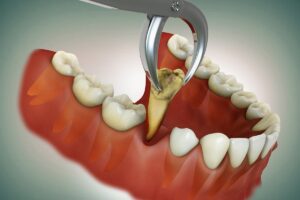
That sounds backwards, but there’s a reason. A difficult extraction, particularly an impacted lower wisdom tooth, often involves sectioning the tooth, removing bone, and real force in an awkward position. An implant goes into a prepared, controlled site with precise instrumentation. It’s a planned procedure, not a wrestling match. The clinical experience of tooth extraction in Kepong is precisely why so many patients walk out of implant surgery saying it was easier than expected. Root canal sits in a similar band. Routine fillings sit below all of it.
When Is It Too Late to Get Dental Implants?
What Bone Loss Does to Your Timeline
It’s almost never too late, but waiting genuinely makes it harder, and here the pain question loops back around.
The window doesn’t close on a date. It closes gradually, as bone volume drops. Someone who lost a tooth two years ago is a very different case from someone fifteen years out, and the fifteen-year case is far more likely to need the grafting that adds discomfort and time. Delaying doesn’t make implants impossible. It makes them more involved, more expensive, and yes, more uncomfortable. If you’ve been waiting because you’re scared of the pain, there’s a real irony there. The waiting is what creates the pain.
Age Is Not the Disqualifier, Bone Volume Is
Patients in their seventies and eighties receive implants successfully all the time. There’s no upper age limit. What matters is bone volume, gum health, smoking, and whether conditions like diabetes are controlled. The one real age restriction runs the other way: implants aren’t placed in jaws still growing, meaning late teens at the earliest.
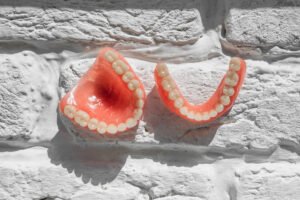
Where bone loss makes multiple implants impractical, or budget is a genuine constraint, that deserves an honest conversation rather than a hard no. Implant-supported options and well-made dentures for missing teeth sit on the same spectrum, and a good clinic lays out the trade-offs rather than defaulting to the priciest option.
What Makes Your Recovery Hurt More or Less
Surgical complexity is the biggest factor. Smoking is next, and it’s not a lecture: nicotine constricts blood vessels, slowing healing and measurably raising failure rates. Aftercare matters, particularly not disturbing the clot. Anxiety is the underrated one. Patients who go in tense report more pain than patients who go in informed, for the same procedure. Which, if you’ve read this far, now works in your favour.
When Discomfort Means Something Is Wrong
Trust the direction of travel. Pain should improve daily after day two. Pain intensifying after day three, swelling that worsens rather than settles, fever, pus or foul taste, an implant that feels loose, or numbness past the first day all mean pick up the phone. Not next week. Now. None are common. All are far easier to fix early.