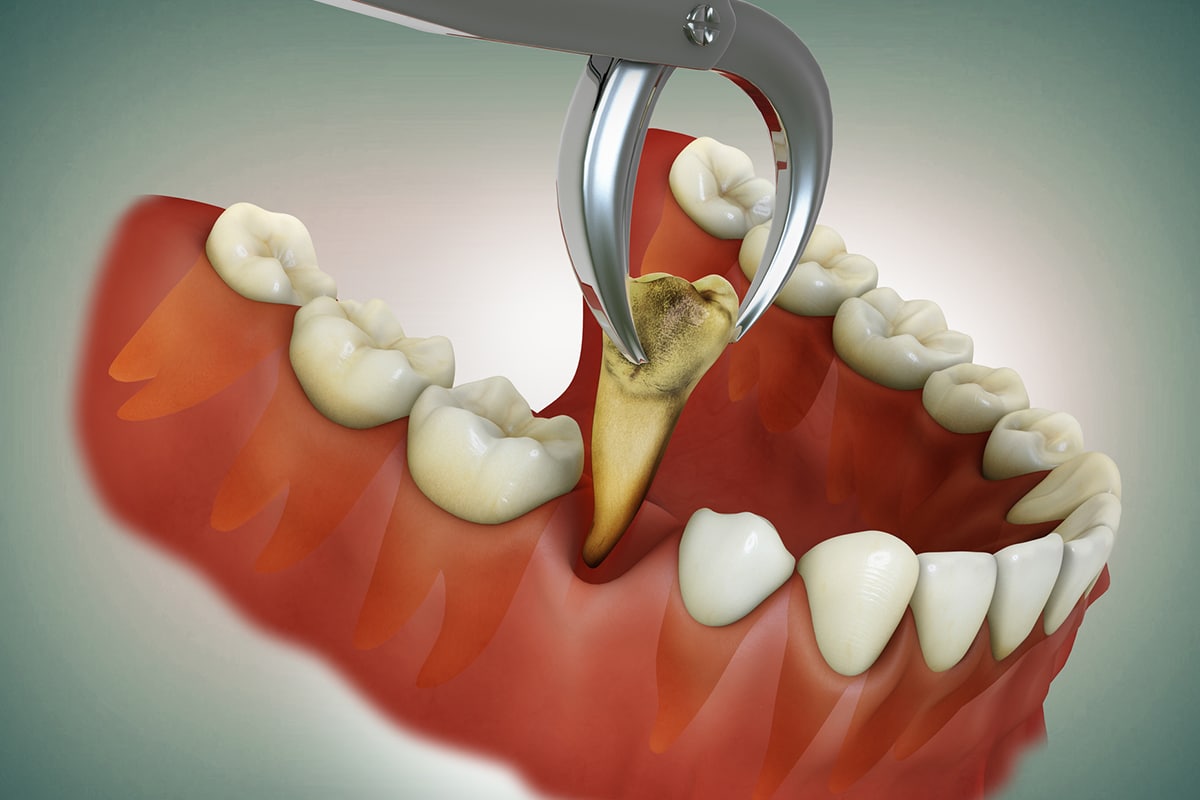
A wisdom tooth extraction is a routine dental procedure where a dentist or oral surgeon removes one or more of your third molars – the last teeth to emerge at the back of your mouth, usually between ages 17 and 25. It is one of the most commonly performed procedures at any dental clinic in Kepong, and despite its reputation, the process is far more straightforward than most patients expect.
That said, knowing what actually happens before, during, and after the extraction makes a significant difference in how comfortable you feel going in. Most of the anxiety around wisdom tooth removal comes from not knowing what to expect.
What a Wisdom Tooth Extraction Actually Involves
Before getting into the procedure, it helps to understand why wisdom teeth cause problems in the first place. Not everyone needs their wisdom teeth removed, but the majority of people do – and the reason comes down to space.
Why Wisdom Teeth Need to Come Out in the First Place
The human jaw has gradually become smaller over generations, but wisdom teeth have not followed suit. For most people, there simply is not enough room at the back of the mouth for these teeth to emerge properly. When a wisdom tooth does not have space to grow straight, it becomes impacted meaning it is trapped beneath the gum, growing at an angle, or pushing against the neighbouring molar.
An impacted wisdom tooth can cause recurring infections in the surrounding gum tissue, damage to adjacent teeth, cyst formation in the jawbone, and persistent pain that flares up unpredictably. Even wisdom teeth that emerge partially can be difficult to clean, making them magnets for decay and gum disease. In cases like these, extraction is not elective – it is preventive.
Before the Procedure – Consultation and X-Rays
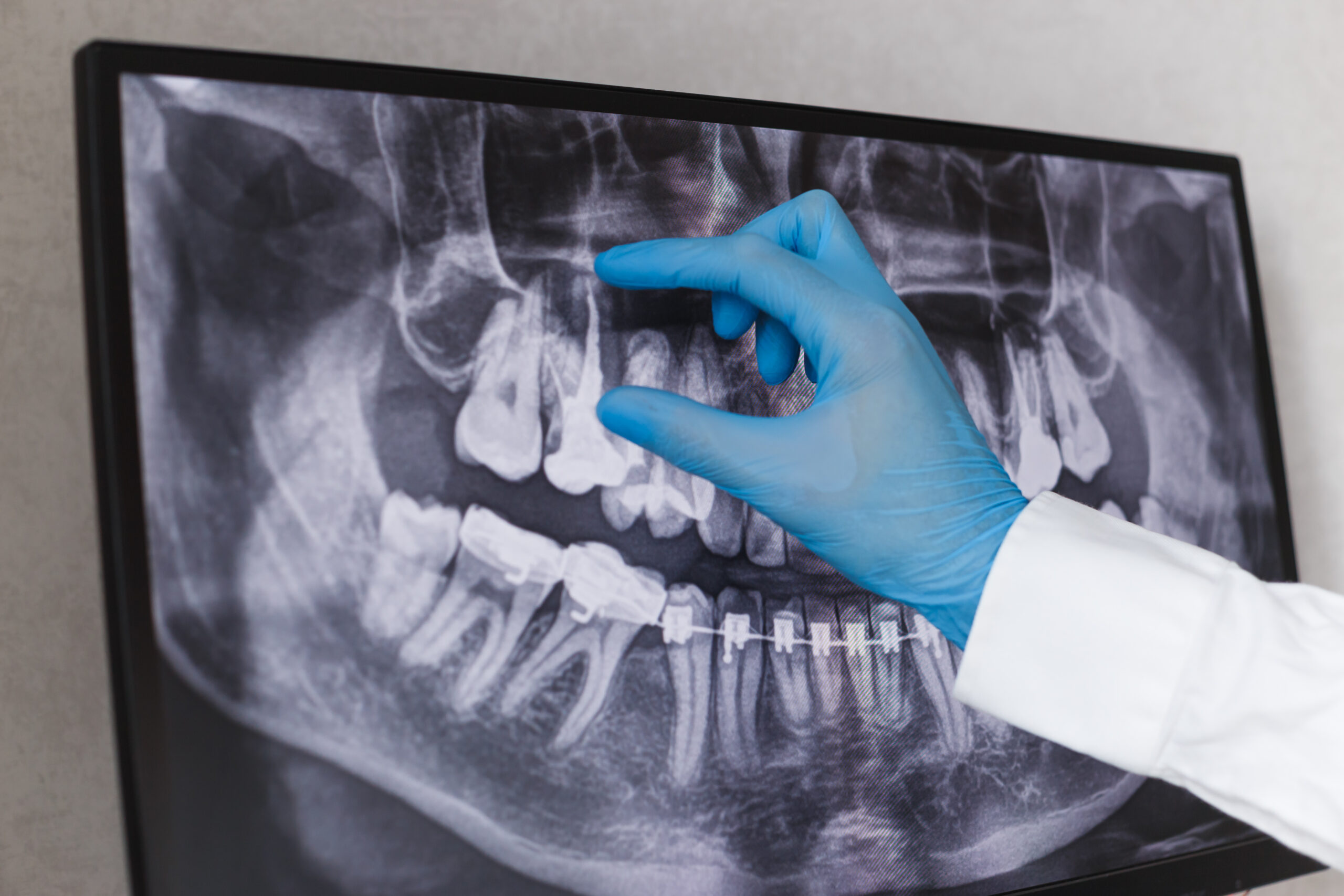
Every wisdom tooth extraction begins with a consultation. Your dentist will examine your mouth, review your dental history, and take X-rays to assess the position and condition of your wisdom teeth.
What Your Dentist Is Looking for on the X-Ray
The X-ray – usually a panoramic OPG or a 3D CBCT scan for complex cases – reveals exactly how the wisdom tooth is positioned. Your dentist is checking whether the tooth is fully impacted or partially erupted, the angle at which it is growing, how close the roots are to the inferior alveolar nerve, and whether there is any infection or cyst formation around the tooth.
This assessment determines whether your case calls for a simple extraction or a surgical one. It also helps your dentist estimate the procedure time, plan the approach, and explain what your recovery will look like. At Fresh Dental, patients who require complex cases are referred to oral surgery at Fresh Dental, where the team is equipped to handle impacted and deeply embedded wisdom teeth.
During the Extraction – What Happens Step by Step
Anaesthesia and Numbing the Area
The procedure begins with local anaesthesia – an injection that numbs the area around the wisdom tooth completely. You will feel pressure during the extraction, but you should not feel pain. The anaesthetic takes a few minutes to set in fully. Your dentist will test the area to confirm you are numb before starting.
Simple Extraction vs Surgical Extraction
Not all wisdom tooth extractions are the same, and the approach depends on how the tooth is positioned. A simple extraction is performed when the wisdom tooth has fully erupted through the gum. The dentist uses an elevator instrument to loosen the tooth, then removes it with forceps. This is the faster and less invasive option. It is similar to what patients experience with standard tooth extraction services for other teeth.
A surgical extraction is needed when the tooth is impacted – partially or fully buried beneath the gum and bone. The dentist makes a small incision in the gum tissue, may remove a small amount of bone surrounding it, and sometimes sections the tooth into pieces for easier removal. The area is completely numb throughout, and the incision is small.
How Long Does It Take to Extract a Wisdom Tooth?
A simple extraction typically takes 15 to 20 minutes from start to finish. A surgical extraction takes longer – usually 30 to 45 minutes per tooth, depending on the complexity. If you are having multiple wisdom teeth removed in one session, expect the appointment to last between one and two hours.
The actual extraction itself – the moment the tooth comes out – usually takes just a few minutes. Most of the appointment time is spent on preparation, anaesthesia, and suturing afterward.
Wisdom Tooth Extraction Stitches – What to Expect

After the tooth is removed, your dentist will clean the extraction site and decide whether stitches are needed. This step is more important than most patients realise, because how the site heals has a direct impact on your recovery comfort and your risk of complications.
When Stitches Are Needed and When They Are Not
Stitches are almost always placed after a surgical extraction, because an incision was made in the gum tissue that needs to be closed. For simple extractions, stitches may or may not be required – it depends on the size of the socket and how much the tissue was disturbed during the procedure.
Most clinics in Malaysia use dissolvable stitches that break down on their own within seven to ten days. This means you typically do not need a separate appointment to have them removed. In some cases, non-dissolvable sutures are used, and your dentist will schedule a follow-up visit to remove them.
How to Care for Your Stitches After Surgery
Avoid touching or pulling at the stitches with your tongue or fingers. For the first 24 hours, do not rinse your mouth vigorously – gentle saltwater rinses can begin the day after surgery. Stick to soft foods and chew on the opposite side of your mouth. If a stitch comes loose within the first day or two, contact your dentist. If it loosens after five or six days, it is likely dissolving naturally and is not a concern.
Keeping the stitches intact during the first few days is critical because they protect the blood clot forming in the socket – and that blood clot is what prevents dry socket.
Managing Wisdom Tooth Extraction Pain During Recovery

Recovery is where most patients have the most questions. The good news is that wisdom tooth extraction pain is predictable, manageable, and temporary for the vast majority of cases.
What the First 48 Hours Feel Like
Expect swelling and discomfort to peak around 24 to 48 hours after the procedure. Your dentist will prescribe painkillers typically a combination of paracetamol and ibuprofen and possibly antibiotics if there was infection present. Most patients describe the pain as a dull, throbbing ache rather than sharp pain. It is usually well-controlled with over-the-counter medication. By day three to four, the discomfort begins to ease significantly, and most patients return to work or school within two to three days.
When Pain Is Normal and When It Is Not
Mild to moderate pain for the first three to five days is completely normal. However, if you experience increasing pain after day three – pain that gets worse rather than better – it could be a sign of dry socket or infection. Other red flags include fever, a foul taste in your mouth, or visible pus around the extraction site. Contact your dentist immediately if any of these occur.
Dry Socket After Wisdom Tooth Extraction – How to Avoid It
Dry socket – known clinically as alveolar osteitis – is the most common complication following a wisdom tooth extraction. It occurs in roughly 2 to 5 percent of all extractions and is more common in lower wisdom teeth.
What Causes Dry Socket
After extraction, a blood clot forms in the empty socket to protect the underlying bone and nerves as the area heals. Dry socket happens when this blood clot is dislodged or dissolves too early, leaving the bone and nerve endings exposed. The result is intense, radiating pain that typically starts two to four days after the procedure.
The most common causes are smoking within the first 72 hours, drinking through a straw (the suction can dislodge the clot), vigorous rinsing or spitting, and poor oral hygiene around the extraction site.
Warning Signs to Watch For
The hallmark symptom of dry socket is pain that intensifies rather than improves after day two or three. You may also notice a visibly empty socket – instead of a dark blood clot, you might see whitish bone. Bad breath and a persistent unpleasant taste are also common indicators.
If you suspect a dry socket, see your dentist as soon as possible. Treatment typically involves cleaning the socket and placing a medicated dressing to promote healing and relieve pain. With proper treatment, dry socket resolves within seven to ten days.