Dental implants can last a lifetime with proper care, and most well-maintained implants stay functional for 20 years or more, with many lasting decades beyond that. The titanium screw that anchors into your jawbone is built to stay, while the visible crown on top typically lasts 8-10 years before it may need replacing due to normal wear. In short, the implant itself is a long-term investment, and how long it truly lasts comes down to the quality of the placement and how well you look after it afterwards.
That distinction between the screw and the crown trips a lot of people up, so it is worth understanding before you commit. If you are weighing up whether to replace a missing tooth, knowing what affects implant longevity helps you protect the money and time you put in. For anyone considering dental implants in Kuala Lumpur, the good news is that daily maintenance is simpler than most expect. This guide breaks down exactly how long implants last, what shortens their lifespan, and the care routine that keeps them solid for the long haul.
How Long Do Dental Implants Actually Last?
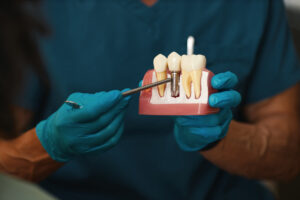
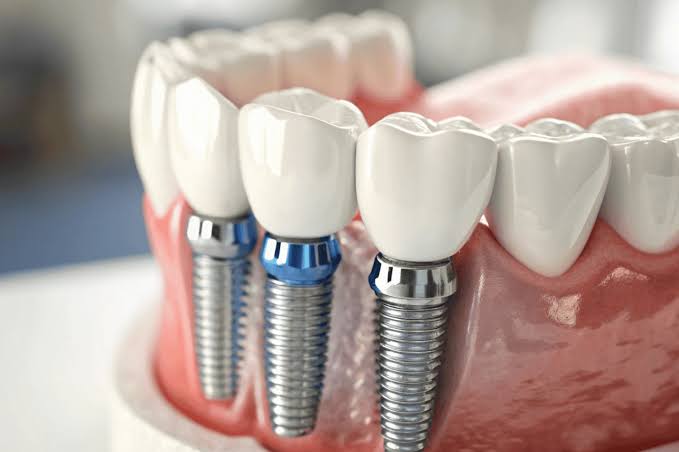
A dental implant has two main parts, and each has its own lifespan. The implant screw placed into your jaw, is designed to be a permanent fixture and can last a lifetime when it fuses properly with the bone. The crown, the artificial tooth attached on top, usually lasts between 8 to 10 years because it takes the daily force of chewing and eventually shows wear.
This is why you might hear that implants “last forever” and also that they “need replacing” – both are true, but they refer to different components. Replacing a worn crown is a far simpler and cheaper procedure than replacing the entire implant, since the post underneath stays exactly where it is. Studies consistently report implant survival rates above 90 to 95 percent over ten years, which puts them among the most reliable tooth replacement options available.
Your individual result depends on several things working together, from the surgery itself to your daily habits. Here is what actually moves the needle on how long your implant will serve you.
What Determines How Long Your Implant Lasts
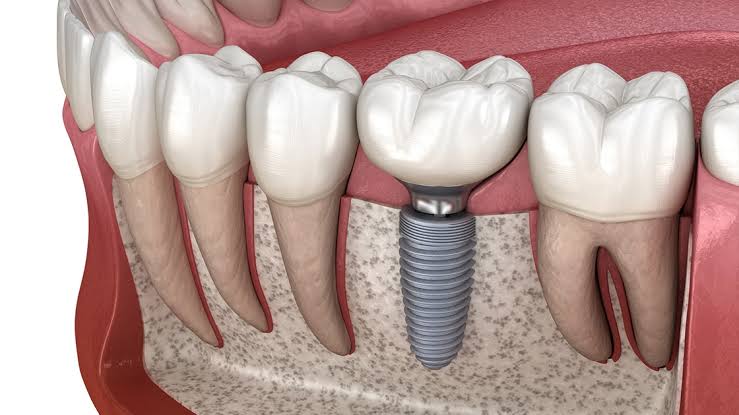
No two mouths are the same, and implant longevity is not left to chance. A handful of clear factors decide whether your implant lasts 15 years or 40, and understanding them lets you take control of the ones within your reach.
The Skill Behind the Placement- Surgical guided implant
The single biggest factor you cannot control yourself is the quality of the initial procedure. An implant that is positioned accurately, at the right depth and angle, integrates cleanly with the bone and distributes bite force evenly. Precision here prevents the tiny stresses that, over years, loosen a poorly placed implant. This is where technology and experience matter, as clinics using digitally-driven implant planning with a guide can map the placement before surgery for greater accuracy. Choosing an experienced provider for your tooth implant treatment in Kepong is the first and most important step in getting an implant that lasts.
The Quality of the Materials Used
What your implant is made of directly affects how long it survives inside your body. High-grade titanium has a long track record of fusing reliably with bone, while zirconia offers a strong, tooth-coloured alternative. Cheaper, lower-grade materials may save money upfront but carry a higher risk of failure or complications down the line. When you ask about the cost of dental implants in Kepong, it is worth remembering that the material grade is part of what you are paying for, and it pays back in years of service.
Your Bone Health and Density
An implant needs enough healthy jawbone to anchor into. If bone density is low, the implant has less support and may be more prone to movement over time. This is why your dentist assesses your bone before surgery and may recommend a bone graft to build up the area first. Once the implant is placed, keeping your jawbone healthy through good nutrition and avoiding habits that weaken bone helps maintain that foundation for decades.
Where the Implant Sits in Your Mouth
Location plays a quiet but real role. Implants at the back of the mouth handle far more chewing force than those at the front, so they naturally endure more wear over their lifetime. It does not mean back implants fail, but it does mean the crowns on molars may show wear a little sooner. Your dentist accounts for this when selecting materials and planning the restoration.
The Habits That Shorten an Implant’s Life
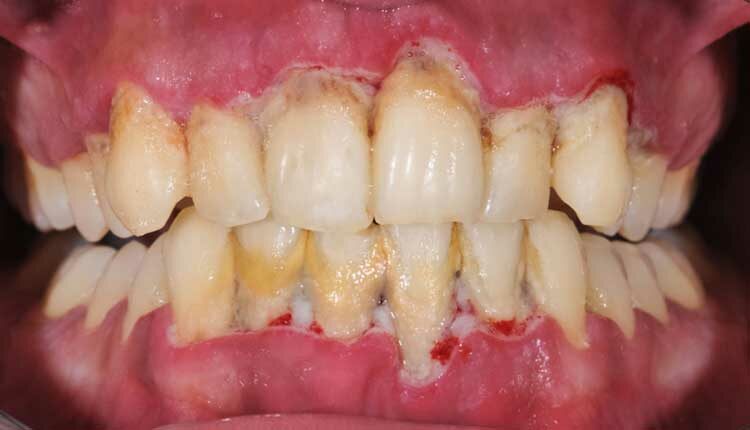
Just as some factors extend an implant’s lifespan, others quietly eat away at it. Most implant failures that happen years after surgery come down to preventable habits rather than the implant itself giving out.
Poor Oral Hygiene and Gum Disease
The most common reason implants fail long-term is peri-implantitis, an infection of the gum and bone around the implant caused by plaque buildup. It works much like gum disease around natural teeth: neglected cleaning lets bacteria attack the supporting tissue until the implant loosens. An implant cannot get a cavity, but the gum and bone holding it absolutely can become diseased. Consistent cleaning is non-negotiable for a lasting implant.
Smoking
Smoking is one of the strongest predictors of implant failure. It restricts blood flow to the gums, slows healing after surgery, and significantly raises the risk of infection around the implant. Smokers experience noticeably higher failure rates than non-smokers, and quitting, even temporarily around the surgery period, measurably improves the odds of long-term success.
Teeth Grinding and Excess Force
Grinding or clenching your teeth, often during sleep, puts enormous repeated pressure on an implant crown and the post beneath it. Over time this can crack the crown, loosen the fixture, or stress the bone. If you grind, a night guard is a small investment that protects a much larger one. Chewing very hard objects like ice or using your teeth to open packaging carries the same risk.
Skipping Dental Check-Ups
Problems around an implant are often silent in the early stages. A dentist can spot the first signs of peri-implantitis or a loosening crown long before you feel anything, and early intervention usually saves the implant. Skipping regular reviews means small, fixable issues are left to grow into implant-threatening ones.
How to Care for Your Dental Implants
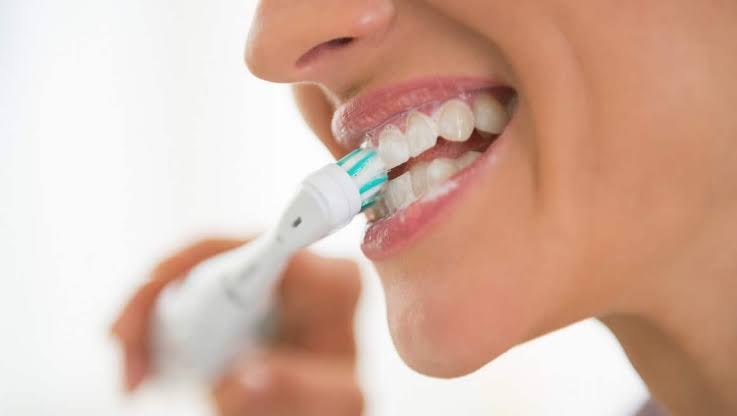
Caring for implants is not complicated, and it looks a lot like caring for natural teeth, with a few tweaks. The goal is simple: keep the area around the implant free of plaque and catch any issue early. Done consistently, this routine is what turns a good implant into a lifelong one.
Brush and Floss Every Day
Brush twice a day with a soft-bristled toothbrush, paying particular attention to where the crown meets the gumline, since that is where plaque gathers and peri-implantitis begins. Floss daily using regular floss or an interdental brush to clean the sides of the implant that brushing misses. A water flosser is an excellent addition for reaching around the implant thoroughly. The routine mirrors natural tooth care, but the consistency matters even more because the stakes are higher.
Use the Right Tools
Avoid harsh, highly abrasive toothpastes that can scratch the crown’s surface over time. A non-abrasive fluoride toothpaste and a soft brush do the job without causing damage. If your dentist recommends an antibacterial mouthwash, use it as directed to keep bacterial levels down around the implant.
Keep Up With Professional Cleanings and Reviews
Visit your dentist every six months, or as often as they advise, for a professional clean and an implant check. Hygienists use special instruments that clean around implants without scratching them, removing the hardened plaque your home routine cannot. These visits are also when your dentist confirms the implant, crown, and surrounding bone are all healthy, giving you the best chance of catching anything early.
Protect Your Investment From Damage
If you grind your teeth, wear the night guard your dentist provides. Avoid biting down on very hard foods and never use your implant, or any tooth, as a tool. Treating your implant with the same common sense you would give a natural tooth goes a long way toward keeping it intact for decades.