A damaged tooth needs a dental crown instead of a filling when the decay, crack, or structural loss is too extensive for the remaining tooth to support a simple filling on its own – which is usually the point where your dentist will recommend a crown and bridge treatment in Kepong to protect what’s left of the natural tooth. If you’ve been told your filling “won’t hold” or that the tooth needs to be “capped,” this is exactly the situation we’re talking about, and it’s more common than most people realise.
We get this question almost every week at the clinic: “Can’t you just fill it?” It’s a fair question. Fillings are cheaper, faster, and less intimidating than getting a crown. But not every damaged tooth is a filling candidate, and knowing the difference can save you from a cracked tooth, a root canal, or worse, losing the tooth altogether.
Filling vs Crown: How Do You Actually Know Which One You Need?
The honest answer is that you can’t always tell just by looking in the mirror. A small brown spot might turn out to be a deep cavity once your dentist gets in there with a probe and an X-ray, while a large-looking chip might actually be superficial. That said, there are patterns that consistently separate a “fillable” tooth from one that needs a crown.
When a Filling Is Still Enough
Fillings work well when the damage is contained to a small to moderate portion of the tooth, and there’s still enough healthy tooth structure surrounding it to hold the filling material in place. Think of a small cavity between two teeth, a chip from biting down on something hard, or minor wear along the biting surface. In these cases, the tooth’s own structure is doing most of the work – the filling is just patching a hole, not rebuilding a wall.
The general rule dentists use is that if more than a third of the tooth’s biting surface is compromised, a filling starts to become a weak, temporary fix rather than a real solution. It might hold for a while, but the surrounding enamel is under more stress than it was designed for, and cracks tend to follow.
When the Damage Has Gone Too Far for a Filling
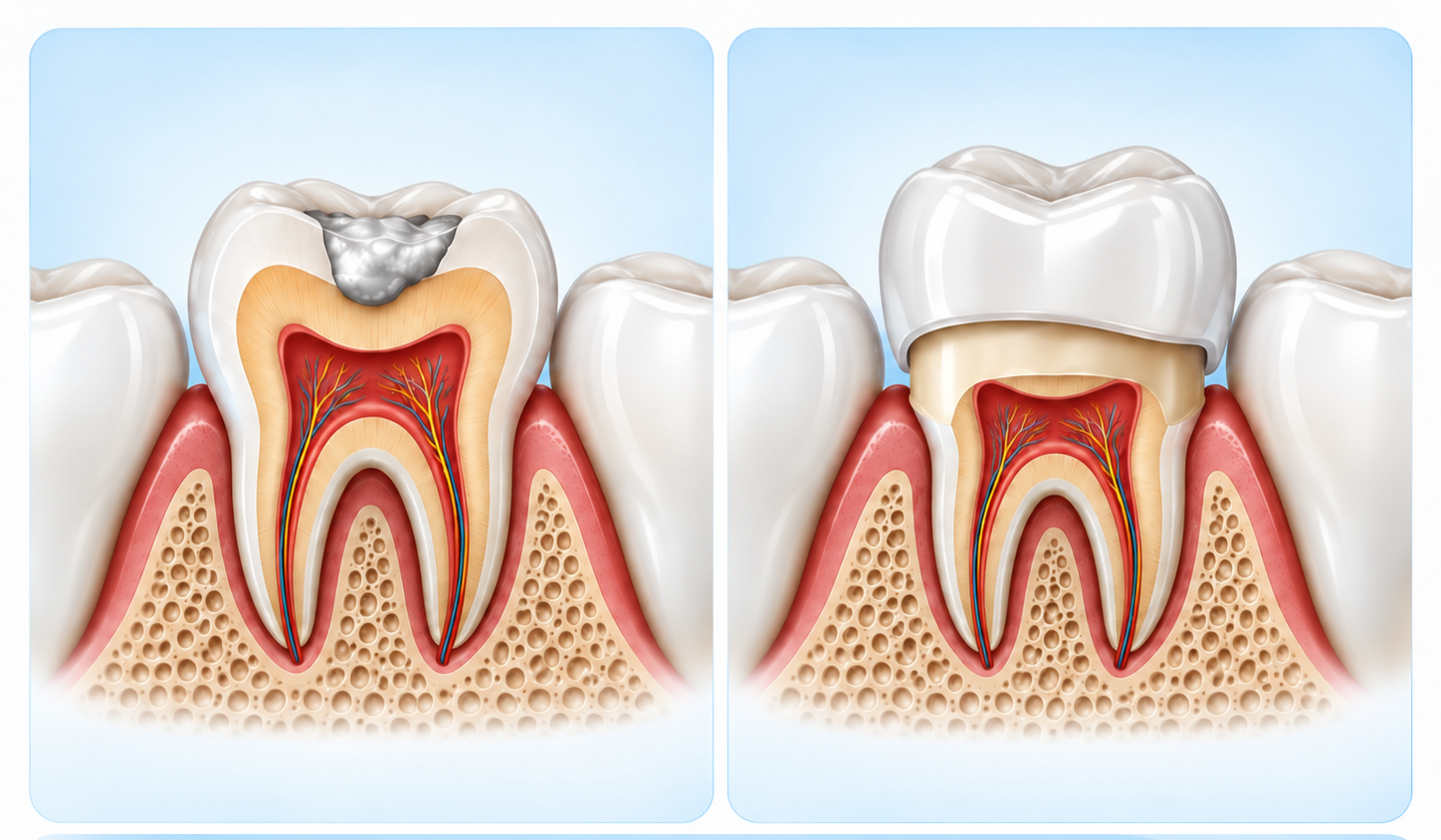
This is where crown teeth treatment comes in. If the decay has spread deep enough to weaken the walls of the tooth, if there’s a crack running through the structure, or if a large old filling has failed and taken a chunk of tooth with it, a filling simply doesn’t have enough tooth left to bond to. Putting a filling into a tooth like this is a bit like patching a pothole with a thin layer of tar – it might look fine for a few weeks, but the tooth still isn’t strong enough to handle normal chewing pressure, and it usually fails again, often taking more of the tooth with it.
Root canal-treated teeth almost always fall into this category too, since the procedure removes the nerve and blood supply from inside the tooth, leaving it more brittle over time. This is why a crown is so often recommended right after a root canal, not as an upsell, but as a genuinely necessary step to stop the tooth from cracking under normal use.
How Is Crowning Teeth Done? What Actually Happens in the Chair
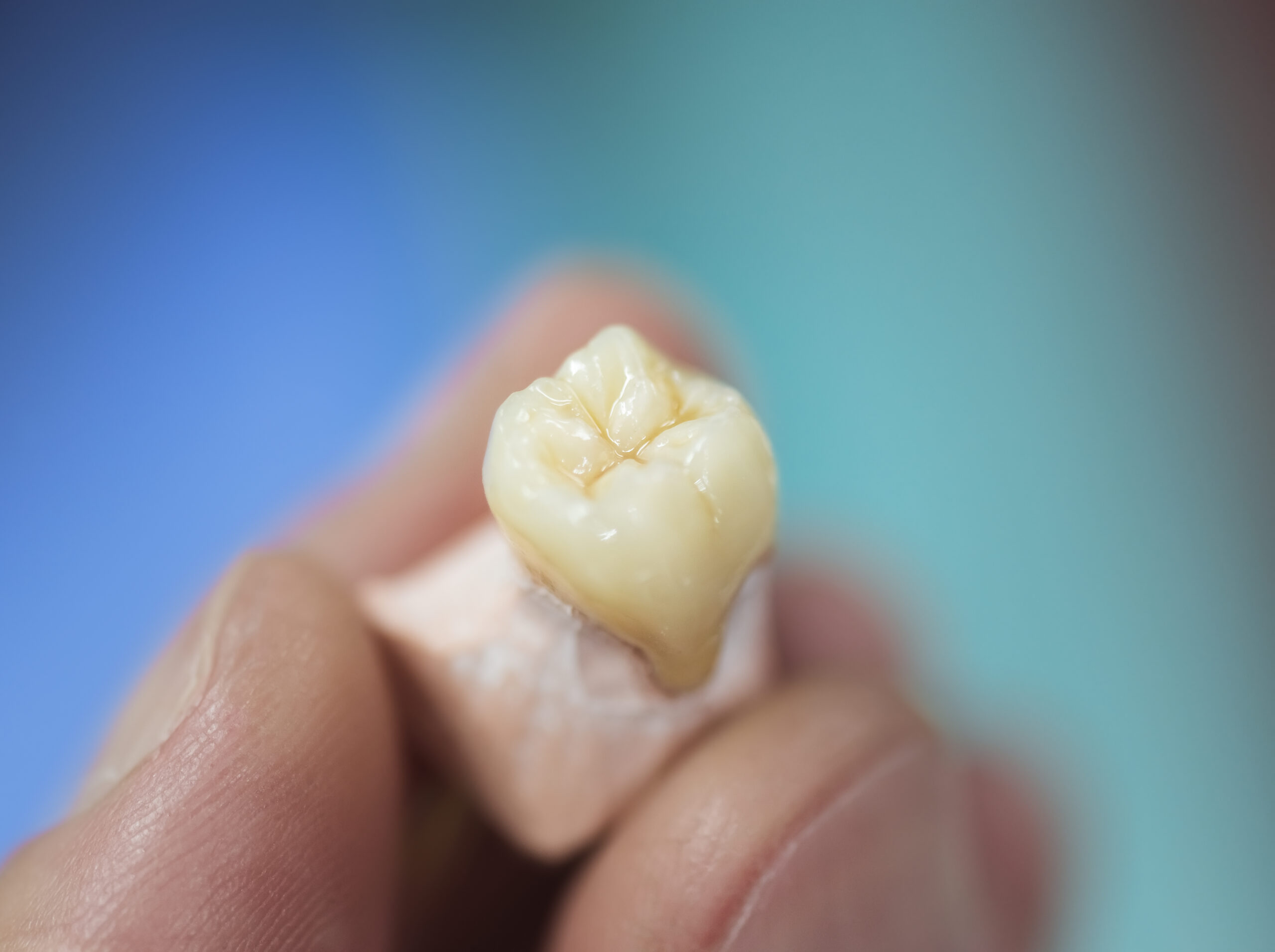
A lot of the anxiety around getting a crown comes from simply not knowing what the process looks like. It’s a fairly straightforward sequence once you understand it, usually done over two visits.
The First Visit: Shaping and Preparing the Tooth
Your dentist starts by numbing the area, then removes any decay or old filling material before reshaping the tooth to create room for the crown to sit over it, similar to how a tooth needs to be filed down slightly before a cap can fit snugly on top. This step is what makes the treatment permanent – once the tooth is shaped this way, it will always need a crown to stay protected and functional.
After shaping, an impression or digital scan of the tooth is taken so a dental lab can custom-make a crown that matches the bite and the shape of the surrounding teeth. While that’s being made, most patients leave with a temporary crown so the tooth stays protected and looks normal in the meantime.
The Second Visit: Fitting the Permanent Crown
Once the permanent crown is ready, usually within one to two weeks, it’s checked for fit, colour match, and bite alignment before being cemented into place. Most patients are surprised at how quick this second appointment is compared to the first. Any minor adjustments to the height or shape are done chairside, and you walk out with a fully restored tooth that looks and functions like a natural one.
Crown Bridge Teeth: What’s the Difference, and Why Are They Often Mentioned Together?
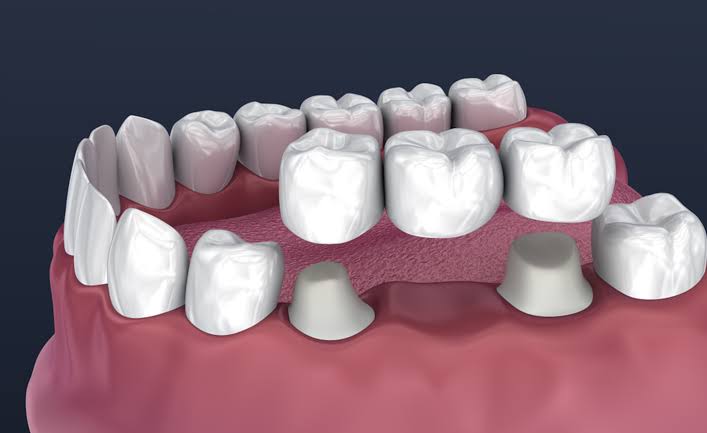
This is where a lot of confusion happens, because “crown” and “bridge” tend to get lumped together, but they solve two different problems. A crown restores a single damaged tooth by capping it. A bridge replaces one or more missing teeth entirely, using the crowns on either side of the gap as anchors to hold a false tooth in place.
So if you’ve lost a tooth next to one that also needs a crown, your dentist may recommend doing both together, since the crowned tooth can double as the support structure for the bridge. This is a common scenario for patients who’ve had a tooth extracted due to decay and are now dealing with a second, weakened tooth beside the gap. Rather than treating them as two separate problems, a combined crown and bridge dental treatment addresses both the damage and the missing tooth in one coordinated plan, which tends to be more stable long-term than treating them separately.
Common Causes of Damaged Teeth We See in Kepong
Every clinic sees its own patterns, and at our Kepong practice, the most frequent causes of tooth damage tend to trace back to a handful of everyday habits rather than dramatic accidents:
- Teeth grinding, especially at night – one of the biggest culprits we see, often in patients who don’t even realise they’re doing it until a partner mentions the noise or they wake up with jaw soreness. Over months and years, this wears down enamel and creates hairline cracks that eventually need attention.
- Untreated decay in back molars – harder to see or feel forming until it’s already deep, since these teeth are further back and easier to miss during everyday brushing.
- Old, ageing fillings that have started to crack or leak – large fillings placed years ago can wear down around the edges over time, letting new decay creep in underneath without any obvious sign on the surface.
None of these situations are unusual, and none of them mean you’ve done something wrong. They’re just part of how teeth age, especially in a country where sugary food and drink are woven into daily life. The key is catching the damage before it progresses from “fillable” to “needs a crown,” which is really just a matter of regular checkups rather than waiting for pain to show up.