Seeing a streak of pink in the sink after brushing is easy to brush off, literally. Many people assume it’s because they scrubbed too hard, and carry on. But gum bleeding is usually your gums telling you something is irritating them, and in most cases that something is plaque and hardened tartar sitting along the gumline.
Here’s how that works, what to expect during a scaling appointment, and what you can do at home to keep your gums healthy.
Why Does Gum Bleeding Happen?
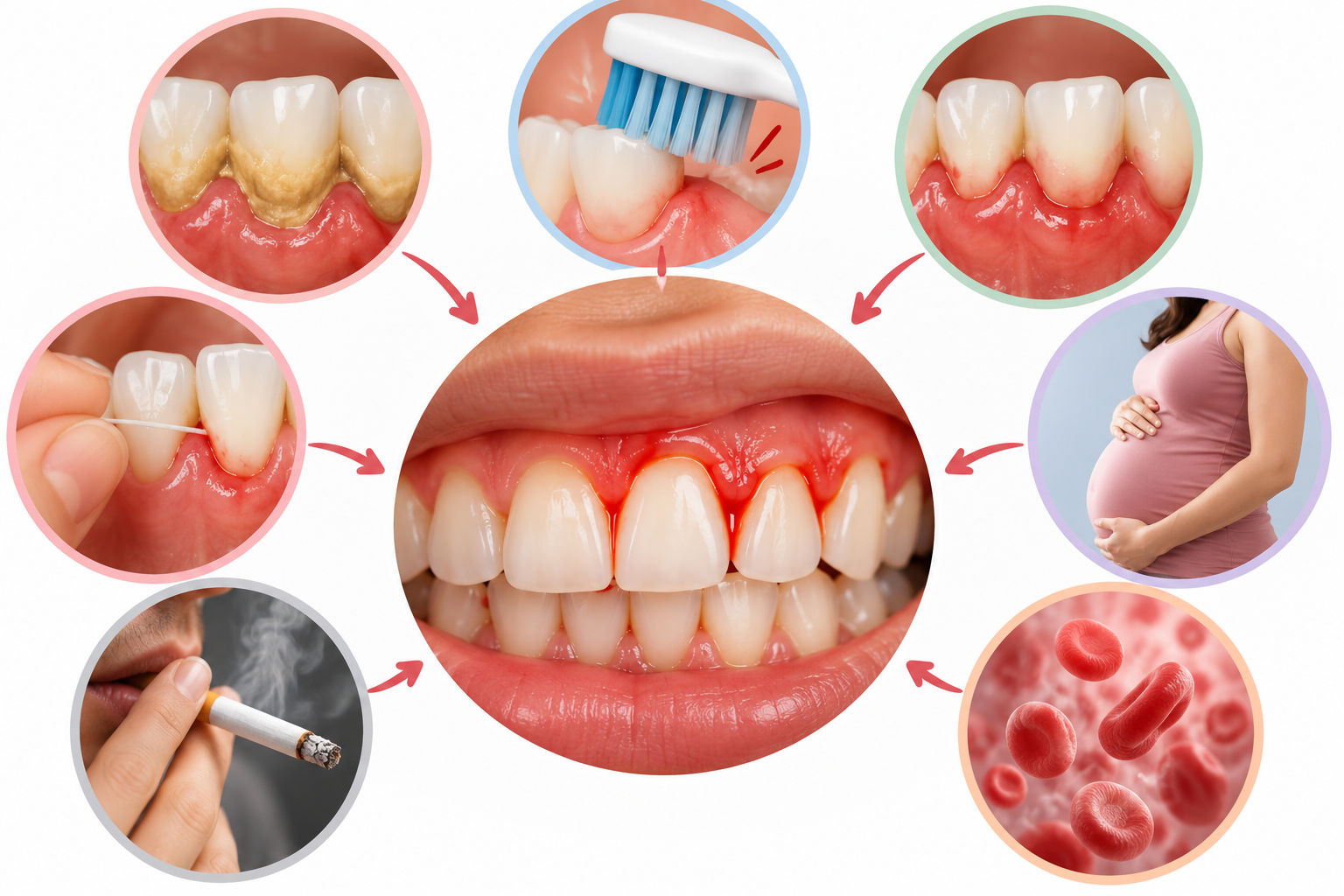
Healthy gums are firm, pale pink and don’t bleed with normal brushing. When gums turn red, puffy or tender and bleed easily, it’s a sign of inflammation.
Plaque and tartar along the gumline
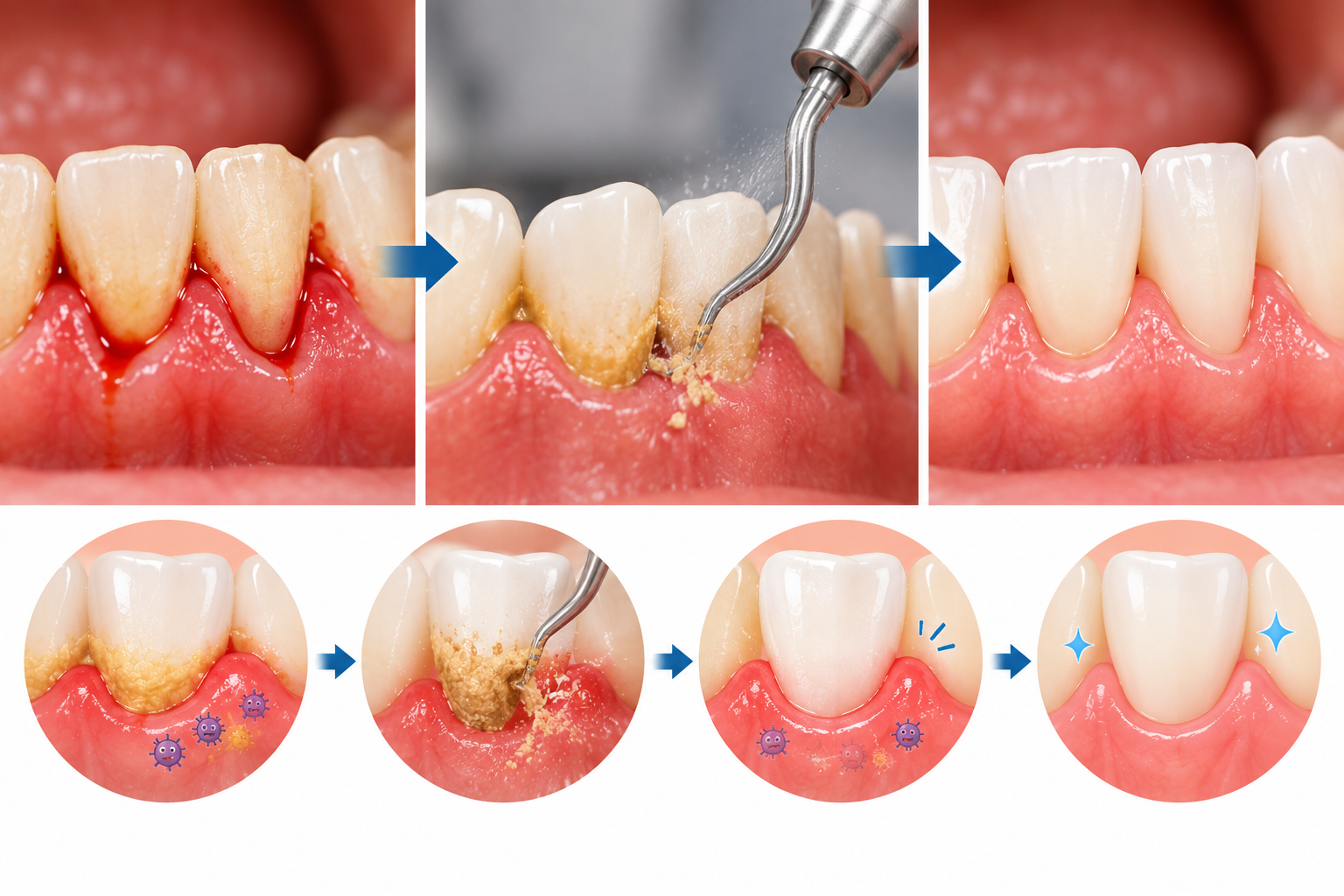
Plaque is a soft, sticky film of bacteria that forms on your teeth every day. If it isn’t cleaned off properly, the bacteria release substances that irritate the gums. Over time, plaque that stays on your teeth hardens into tartar (also called calculus), a rough, crusty deposit that clings firmly to the tooth surface, often right where the tooth meets the gum. Its rough surface also makes it easier for even more plaque to collect.
Gingivitis, the early stage of gum disease
When plaque and tartar keep irritating the gums, the result is gingivitis. This is the earliest stage of gum disease, and bleeding when you brush or floss is one of its most common signs. You may also notice swollen gums or bad breath. The encouraging part is that gingivitis is usually reversible with professional cleaning and better daily care, which is why early gingivitis treatment matters.
Other factors your dentist will consider
Plaque is the most common cause, but it isn’t the only one. Brushing too hard or using a hard-bristled brush, hormonal changes during pregnancy, smoking, certain medications such as blood thinners, and some medical conditions can all play a part. This is one reason it’s worth having your gums checked rather than guessing, especially if the bleeding keeps coming back.
How Teeth Scaling Helps Stop Bleeding Gums
If plaque and tartar are the main source of irritation, the most effective step is to remove them completely. That’s exactly what scaling does.
It removes tartar that brushing cannot
Once plaque hardens into tartar, no toothbrush, floss or mouthwash will shift it. Your dentist uses specialised instruments to break it off the tooth surface safely. Without this step, the tartar stays in place and the gums around it stay inflamed, no matter how carefully you brush.
It cleans just below the gumline
Tartar doesn’t only sit where you can see it. It often builds up slightly under the edge of the gums, in areas your toothbrush can’t reach well. Scaling cleans these hidden spots, which are often where the bleeding starts.
It gives inflamed gums a chance to heal
Think of tartar like a splinter. As long as it’s there, the area stays sore and swollen. Once it’s removed, the body can start to calm the inflammation. Many patients notice their gums become firmer and bleed less over the following weeks, as long as they keep up good brushing and cleaning between the teeth.
It allows early detection of gum problems
A scaling appointment isn’t only clean. It’s also a chance for your dentist to check your gums closely, measure whether there are gaps forming between the teeth and gums, and pick up signs of more advanced gum disease before it progresses.
You can read more about how the procedure works on our teeth scaling in Kepong page.
What Happens During a Teeth Scaling Appointment?
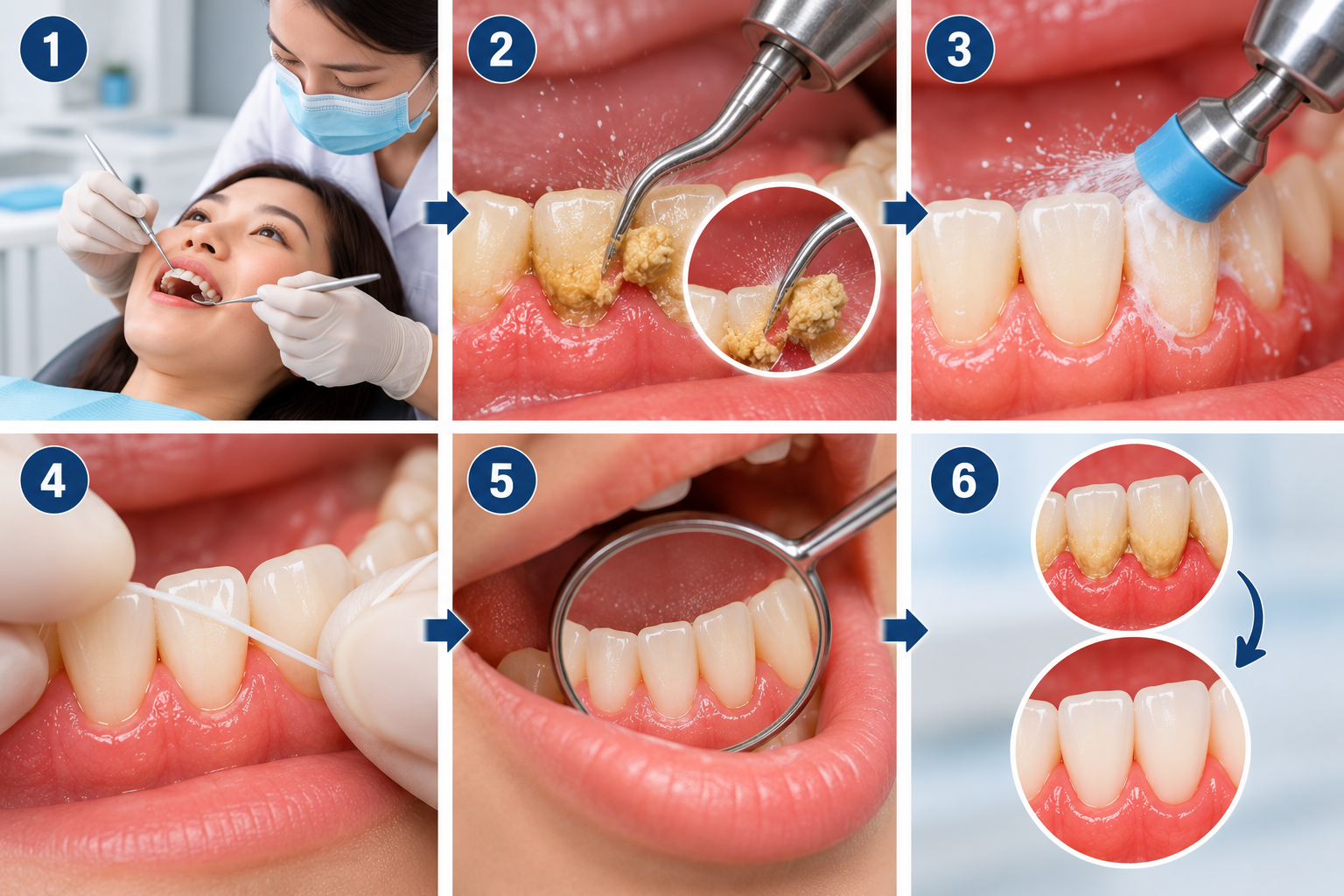
For many people, knowing what to expect makes the visit far less daunting.
Gum check and examination
Your dentist will start by asking about your dental history and any concerns, such as how often your gums bleed. They will then examine your teeth and gums, and may take X-rays if needed to check the bone around your teeth.
Scaling and polishing
Most scaling is done with an ultrasonic scaler, which uses gentle vibrations and a stream of water to loosen tartar, followed by fine hand instruments to clean smaller areas. Your teeth are then polished to smooth the surfaces, making it harder for plaque to stick. At Fresh Dental Care, air polishing is also available to lift stubborn stains and plaque.
Deep cleaning for more advanced cases
If your dentist finds deeper pockets between the gums and teeth, a routine clean may not be enough. In that case, they may recommend deep cleaning, also known as scaling and root planing. This cleans further down along the root surfaces and is usually advised for periodontitis, the more advanced stage of gum disease.
Is It Normal for Gums to Bleed During or After Scaling?
Yes, some bleeding during scaling is common, particularly if your gums are already inflamed. It doesn’t mean the treatment is causing damage. It reflects how irritated the gums were before the cleaning. Healthier gums tend to bleed very little.
After scaling, you may notice mild tenderness, sensitivity or a little bleeding when you brush for a day or two. This usually settles quickly. If bleeding is heavy, doesn’t stop, or continues beyond a few days, contact your dentist. If you’re nervous about discomfort, our guide on whether scaling hurts covers what most patients experience.
How to Stop Bleeding Gums at Home After Scaling
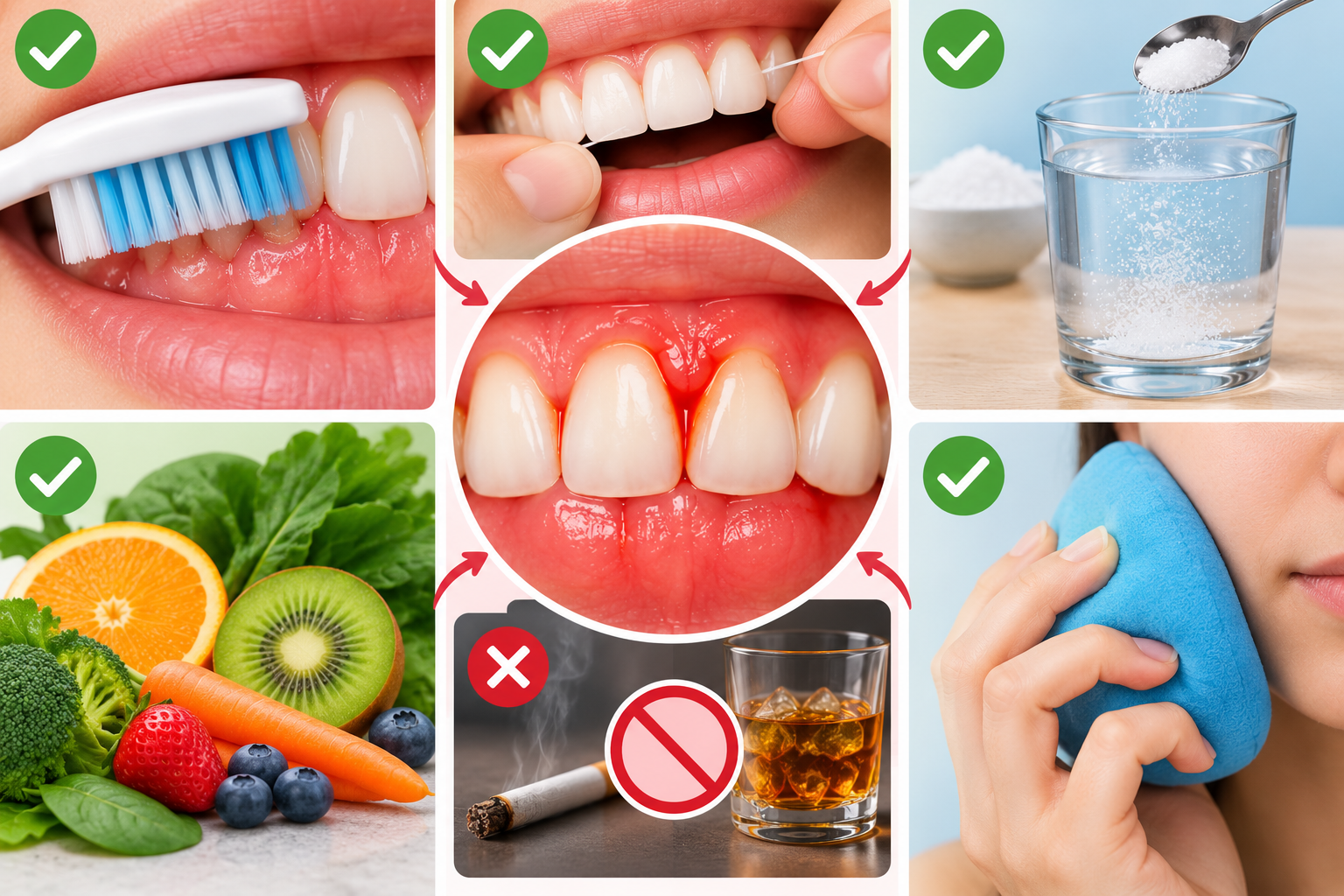
Scaling clears the slate, but what you do afterwards decides whether the bleeding comes back.
Brush gently but thoroughly
Brush twice a day for about two minutes with a soft-bristled toothbrush and fluoride toothpaste. Angle the bristles towards the gumline and use small, gentle movements. Many people stop brushing near their gums when they bleed, but this lets plaque build up again and makes the problem worse.
Clean between your teeth every day
Your toothbrush can’t reach the gaps between teeth, which is where gum bleeding often begins. Floss, interdental brushes or a water flosser can all help. Ask your dentist which option suits the spacing of your teeth.
Keep to regular scaling appointments
Even with excellent home care, some tartar will build up over time. For most people, a scaling every six months is a good routine, though your dentist may suggest a different schedule based on your gum health. Regular visits also bring other benefits of scaling and polishing, such as fresher breath and fewer surface stains.
When Bleeding Gums Need More Than Scaling
For gingivitis, a professional clean combined with better daily habits is often all that’s needed. But if gum disease has progressed to periodontitis, the gums may begin pulling away from the teeth, and the supporting bone can be affected. Signs to watch for include gums that look like they’re shrinking, teeth that feel loose or appear to be shifting, persistent bad breath, and pus around the gums.
In these cases, your dentist may recommend deep cleaning, closer follow-up visits or referral to a gum specialist (periodontist). If you also notice bleeding elsewhere in the body, frequent bruising, or bleeding that started after beginning a new medication, let your dentist and doctor know, as these may need to be looked into separately.