Thinking about replacing a missing tooth, but worried someone will tell you that you need a bone graft first? You are not alone. It is one of the most common questions we hear from patients considering implants.
At Fresh Dental Care, we assess every implant patient individually, so you know exactly where you stand before any treatment begins. Here is what you should know.
Why Your Jawbone Matters for Dental Implants
A dental implant is a small titanium or zirconia post that replaces the root of a missing tooth. Once placed, the surrounding bone gradually bonds with the implant surface. Dentists call this process osseointegration, and it is what gives an implant its strength.
For that bond to form properly, the implant needs enough healthy bone around it on all sides. Think of it like planting a fence post. If the ground is shallow or loose, the post will not stand firm, no matter how good the post is.
The catch is that the jawbone needs stimulation to stay healthy. Your natural tooth roots provide that stimulation every time you bite and chew. When a tooth is lost, the bone in that spot no longer gets this signal and can slowly shrink over time. This is why the timing of your implant can affect whether a graft is needed.
What Is a Bone Graft for a Dental Implant?
A bone graft for a dental implant is a procedure that adds bone or bone-like material to the area where the implant will go. The graft acts as a scaffold. Over the following months, your body gradually replaces it with its own new bone, creating a stronger base for the implant.
Graft material can come from different sources, including your own bone, donor bone, animal-derived bone or synthetic materials. Your dentist will recommend the most suitable option based on how much bone is needed and your general health. There are three common types of grafting used in implant treatment.
Socket Preservation After an Extraction
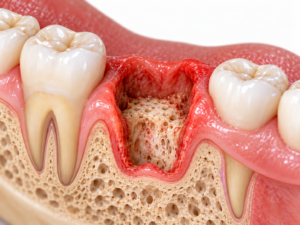
This is done at the same time a tooth is removed. Graft material is placed into the empty socket to help limit bone shrinkage while the area heals. If you are planning to have a tooth extraction and want an implant later, it is worth asking your dentist about this step early.
Ridge Augmentation
When a tooth has been missing for a while, the bony ridge that held it can become narrower or lower. Ridge augmentation rebuilds the width or height of this ridge so an implant can be placed securely.
Sinus Lift for Upper Back Teeth
The upper back jaw sits just below the sinuses. In some people, the bone here is naturally thin, or the sinus has dropped lower after tooth loss. A sinus lift gently raises the sinus floor and adds graft material underneath, creating enough bone height for an implant.
Signs You May Need a Bone Graft
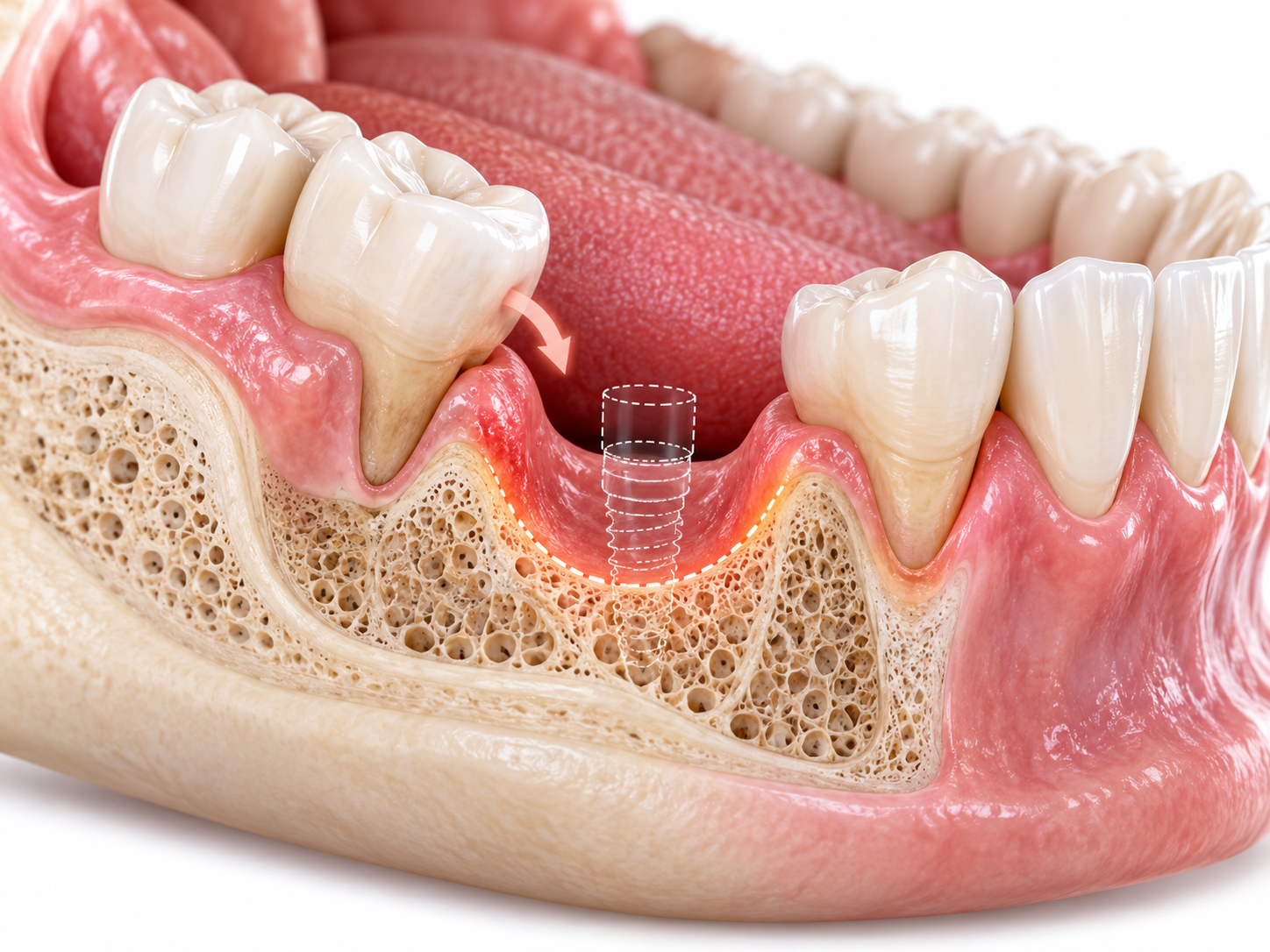
Only a proper examination can confirm whether you need a graft. That said, certain situations make it more likely.
Your Tooth Has Been Missing for a While
The longer a gap is left untreated, the more bone may have been lost in that area. Patients who lost a tooth years ago are more likely to need some rebuilding than those who come in soon after an extraction.
You Have Had Gum Disease
Advanced gum disease (periodontitis) does not only affect the gums. It can also break down the bone that supports your teeth. If gum disease leads to tooth loss, your dentist will check the bone carefully and may need to treat any active gum problems first.
You Have Worn Dentures for Years
Dentures sit on top of the gums and do not stimulate the bone underneath in the way natural roots do. Long-term denture wearers may notice their dentures feel looser over time, which can be a sign that the bone has changed shape.
The Missing Tooth Is in the Upper Back Jaw
As mentioned above, the bone near the sinuses is often thinner. Missing upper molars and premolars are a common reason for sinus lift procedures.
Past Injury or Infection
A knock to the face, a long-standing dental infection or a cyst can all affect the bone in a specific area. These cases are assessed individually.
How Your Dentist Decides
The decision is based on what your dentist can see and measure, not guesswork. At your consultation, your dentist will look at your medical and dental history, examine the area, and take dental imaging.
A 3D scan is especially useful because it shows the height, width and density of your jawbone in detail, along with the position of nearby structures such as nerves and sinuses. This allows your dentist to plan exactly where an implant can go and whether extra bone is needed.
In many cases, the scan shows there is enough bone, and the implant can go ahead without grafting. In others, only a small amount of graft is needed, and it can sometimes be placed during the same visit as the implant. Larger rebuilds usually need to heal first before the implant is placed.
Can Dental Implants Fall Out Without Enough Bone?
This is a fair concern. Dental implants have a strong track record when they are planned and cared for properly, but they are not immune to problems. One of the factors that can affect an implant’s long-term stability is the amount and quality of bone supporting it.
Why Bone Support Matters for Stability
If an implant is placed into bone that is too thin or too soft, it may not bond as well as it should. Over time, this can lead to the implant becoming loose. This is exactly why dentists recommend grafting when the bone is not adequate. The aim is to give the implant the best possible foundation from the start, rather than risk problems later.
Other Factors That Affect Implant Success
Bone is not the only thing that matters. Smoking can slow healing and affect how well the bone bonds to the implant. Poor oral hygiene can lead to inflammation around the implant, a condition known as peri-implantitis, which can damage the supporting bone. Heavy teeth grinding and certain medical conditions may also play a role.
The good news is that many of these factors are within your control. Brushing and cleaning around your implant daily, attending regular check-ups and following your dentist’s advice all help protect your investment for the long term.
Dental Implants Before and After a Bone Graft
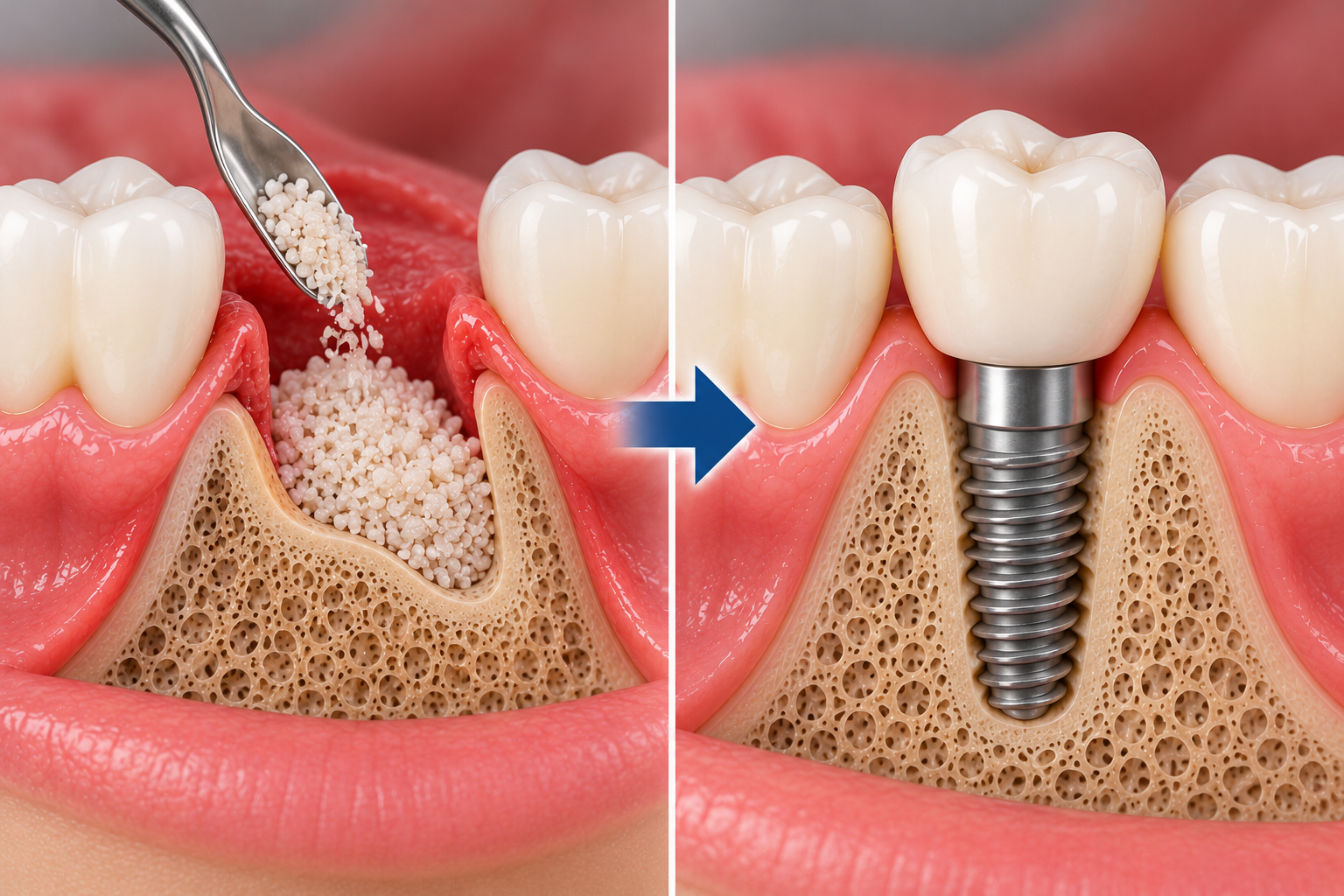
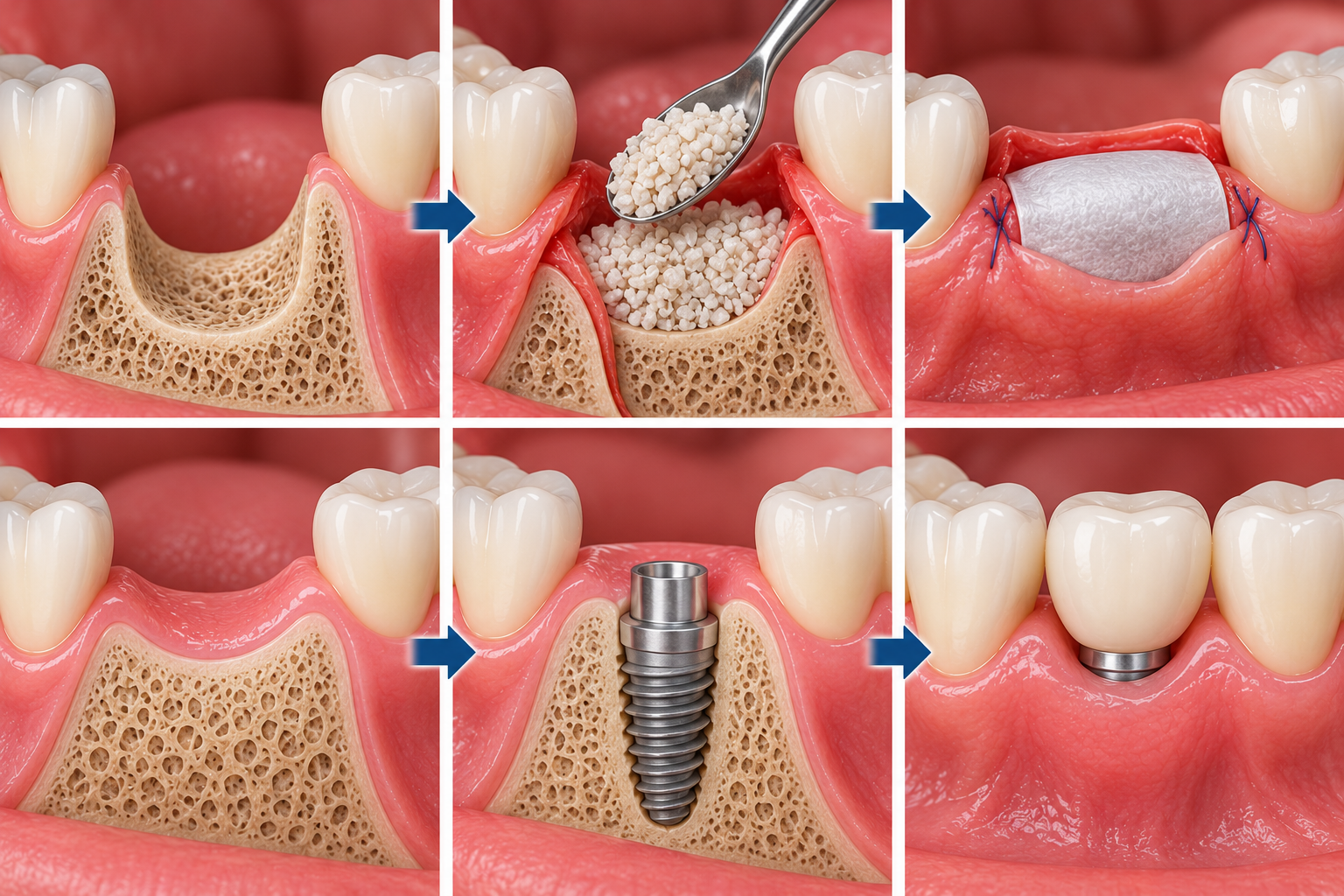
If you do need a graft, it helps to understand how your treatment journey will look. Here is a general picture of dental implants before and after grafting. Your own timeline will depend on your case.
Before: Assessment and Grafting
Treatment begins with your consultation and 3D scan. If a graft is needed, your dentist will explain which type, how it is done and how it fits into your overall plan. The grafting procedure itself is done under local anaesthetic, so the area is numbed and you should not feel pain during treatment.
The Healing Period
After grafting, the area needs time for new bone to form. Depending on the size and type of graft, this can take a few months. Small grafts placed with the implant may not add much time at all, while larger rebuilds take longer. During this period, your dentist may provide a temporary tooth so you are not left with a visible gap.
After: Implant Placement and Your New Tooth
Once the bone has healed and your dentist is satisfied with its strength, the implant is placed. After the implant has bonded with the bone, a custom crown, bridge or denture is attached on top. The end result is a replacement tooth that looks natural, feels secure and lets you bite and chew with confidence.
If you would like to see what implant treatment can achieve, our patient gallery shows real results from our clinic.
What Recovery Feels Like
Most patients describe bone graft recovery as similar to having a tooth removed. Some swelling, tenderness and mild bruising in the first few days are normal and usually settle with the pain relief your dentist recommends.
You will likely be advised to eat soft foods, avoid chewing on the treated side, skip smoking and follow a gentle cleaning routine while the area heals. If you have a sinus lift, you may also be asked to avoid blowing your nose forcefully for a period. Your dentist will give you clear aftercare instructions and arrange follow-up visits to check your progress.
What If You Prefer to Avoid a Bone Graft?
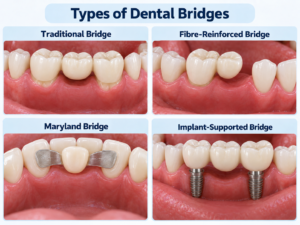
Some patients would rather avoid an extra procedure, and that is understandable. Depending on your bone and the location of the gap, there may be other options. These can include shorter or narrower implants, placing implants at an angle to use the available bone, or choosing a different tooth replacement such as a bridge or denture.
Each option has its own trade-offs in terms of strength, appearance and longevity. Your dentist can walk you through what is realistic for your situation so you can make an informed choice.